
Last updated September 25, 2026
Free written scope consultation - allowances, timeline, and change-order rules on paper before a single trade is scheduled
 Before
 After
After Before
 After
After Before
 After
AfterConstruction Permits, Codes & Inspections in CA: What You Need to Know
An unpermitted addition in California doesn’t just create a legal problem - it creates a mandatory disclosure obligation that reduces resale value by more than the addition cost in documented cases, because buyers’ lenders require permit sign-off before funding. We’ve reviewed properties in Chula Vista where a $45,000 unpermitted garage conversion became a $60,000 liability after the owner had to demolish, re-permit, and rebuild to close the sale. Our more guides & resources show you how to read California’s three-layer permit system - state code, local amendments, and project-specific conditions - so you can verify your project is being built to the right standard, not just stamped.
Quick Answer
California construction permits are governed by the California Building Code (CBC), which local jurisdictions amend and enforce with additional requirements. In Chula Vista, you’ll need permits for most structural, electrical, plumbing, and mechanical work, with inspections required at specific project milestones before the next phase can begin. Pulling permits protects your resale value, insurance coverage, and safety - and unpermitted work can cost 2-4 times the original permit fee to correct retroactively.
Table of Contents
- The Three-Tier Code Stack: What Actually Governs Your Project
- Which Projects Require Permits (Including the Surprising Ones)
- How to Pull and Read a Permit History in Chula Vista
- The Inspection Sequence: What Each Inspector Actually Checks
- When Work Is Done Without a Permit: The Retroactive Process
- Permit Costs, Timelines, and Chula Vista-Specific Factors
- Common Mistakes to Avoid
- When to Call a Professional
- Frequently Asked Questions
 Before
 After
AfterThe Three-Tier Code Stack: What Actually Governs Your Project
Every construction project in Chula Vista operates under three layers of regulation, and understanding which overrides which prevents expensive surprises. The hierarchy matters because when codes conflict, the most restrictive applicable standard wins.
Tier 1: California Building Code (CBC)
The CBC is the statewide baseline, updated on a three-year cycle and currently based on the 2022 International Building Code with California amendments. It covers structural loads, fire safety, energy efficiency, and accessibility standards. For residential work, the CBC references the California Residential Code (CRC), which governs one- and two-family dwellings and townhouses up to three stories.
Key CBC provisions that affect most Chula Vista homeowners:
- Title 24 energy efficiency standards, which mandate specific insulation values, window U-factors, and solar-ready requirements for new construction
- Seismic design categories, with Chula Vista falling in a zone that requires specific lateral force-resisting systems
- Fire-rated assemblies for attached garages and property line setbacks
- Accessibility requirements for ground-floor bathrooms in new construction and substantial remodels
Tier 2: Chula Vista Municipal Code Amendments
Chula Vista has adopted local amendments that modify or exceed CBC minimums. These are published in the Chula Vista Municipal Code, Title 19 (Buildings and Construction), and they’re where projects commonly derail if your contractor works primarily in other cities.
Specific Chula Vista amendments that change project requirements:
- Side yard setbacks: Chula Vista requires greater side yard clearances than CBC minimums in certain zoning districts, particularly in the Eastlake and Otay Ranch master-planned areas where planned development permits impose additional restrictions
- Height limits: The municipal code imposes absolute height limits that may be lower than CBC allowances, with specific reference to the 30-foot limit in R-1 zones that affects second-story additions
- Grading and drainage: Chula Vista’s clay-heavy soils and seasonal rainfall patterns have led to local amendments requiring engineered drainage plans for projects disturbing more than 50 cubic yards of earth - a lower threshold than many neighboring jurisdictions
- Historical and coastal zones: Properties in the Rowan Construction Group Chula Vista home service area near the bay or in designated historical districts face additional design review requirements
Tier 3: Project-Specific Conditions of Approval
The most restrictive layer applies to individual properties. These include:
- Homeowners association (HOA) covenants: Common in Chula Vista’s newer developments, these may dictate materials, colors, and architectural styles with enforcement through private action
- Planned development (PD) permits: Master-planned communities like Eastlake, Otay Ranch, and Rolling Hills Ranch operate under PD permits that modify base zoning with site-specific requirements
- Previous permit conditions: Any prior permit on your property may have attached conditions that run with the land - we’ve seen 1980s permits with ongoing landscaping requirements that current owners didn’t know existed
- Utility easements and encroachments: SDG&E and water district easements may prohibit construction in specific areas regardless of zoning allowances
The override rule is simple: when tiers conflict, the most restrictive standard applies. A contractor quoting to CBC minimums without checking Construction Warning Signs: A Chula Vista Homeowner’s Reference Guide or your property’s specific conditions is quoting to the wrong standard.
Which Projects Require Permits (Including the Surprising Ones)
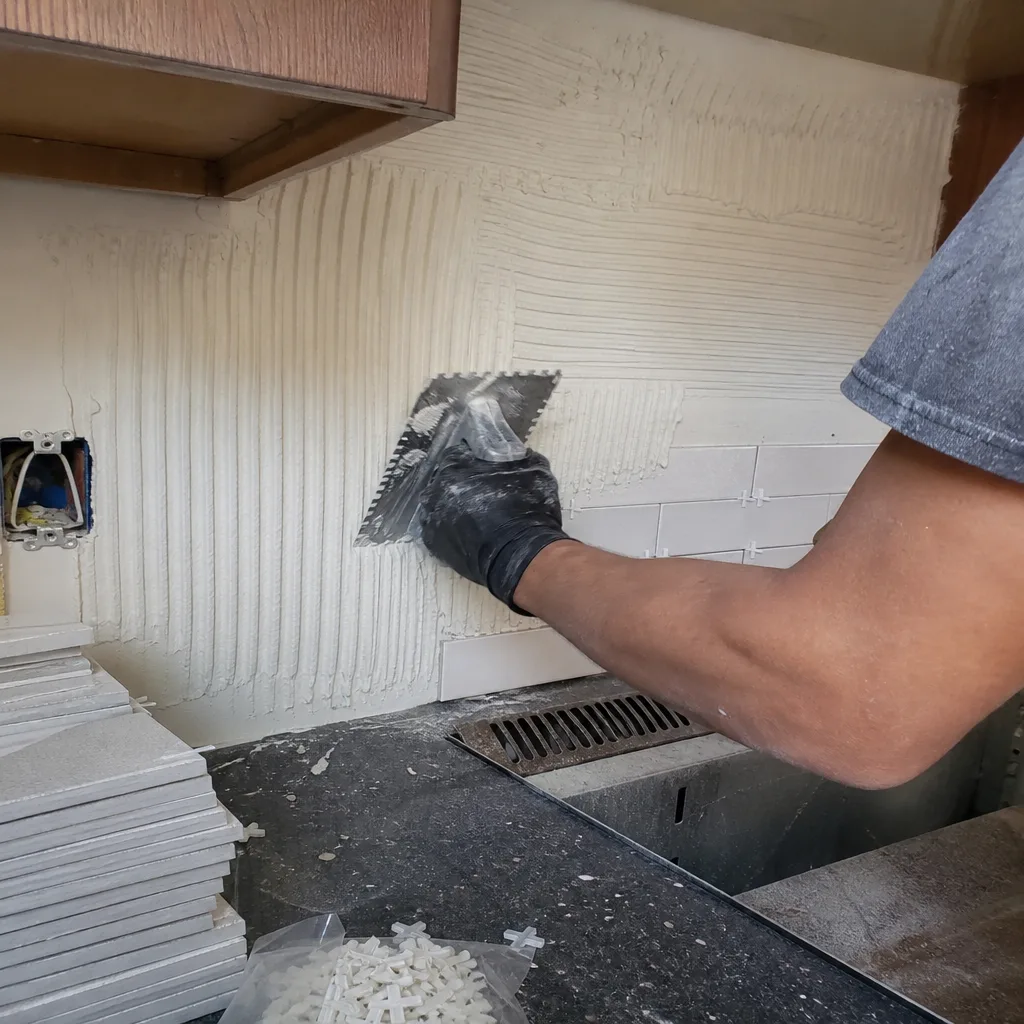
California’s permit requirements are broader than many homeowners assume. The general rule from the CBC: any construction, alteration, repair, or demolition of a building or structure requires a permit, with limited exemptions.
Projects That Always Require Permits
- Structural modifications: removing or altering load-bearing walls, adding or enlarging openings, second-story additions
- Electrical panel upgrades or service changes, including main panel replacement and subpanel additions
- Plumbing modifications affecting supply or waste lines, including water heater replacement (gas or electric)
- HVAC system replacement or ductwork modifications
- Window and door replacements where the opening size changes or where egress requirements are affected
- Roofing replacement when structural decking is repaired or modified
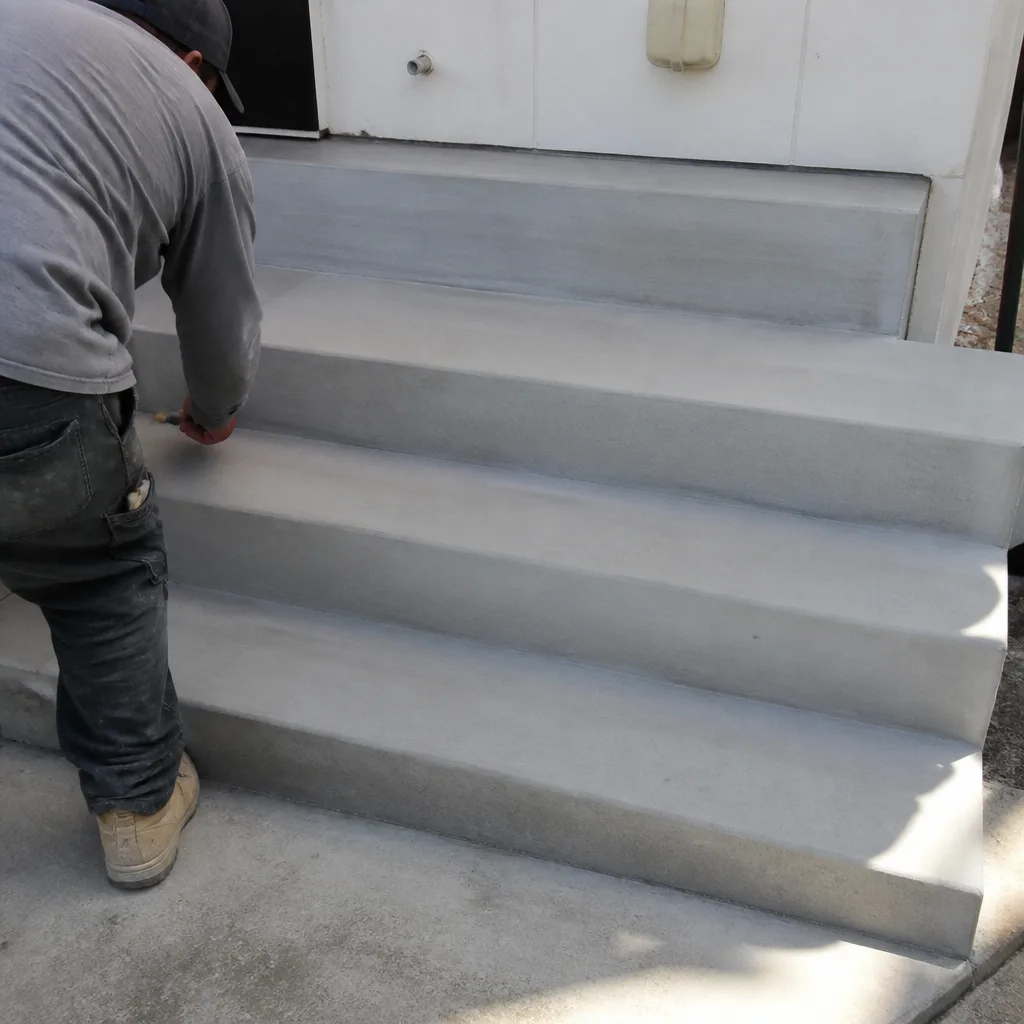
- Concrete work exceeding specific square footage thresholds or with reinforcement
- Fences over 6 feet in height or in specific locations
- Retaining walls over 4 feet in height (measured from bottom of footing)
- Swimming pools and spas
- ADUs and junior ADUs (with additional state-mandated streamlined processes under California Government Code Section 65852.2)
Projects That Surprisingly Require Permits
These are where homeowners and some contractors commonly get caught:
Water heater replacement: Even a like-for-like swap requires a plumbing permit in Chula Vista. The inspector verifies seismic strapping to CBC standards, proper venting for gas units, and temperature-pressure relief valve discharge. We’ve been called to projects where a homeowner’s self-installed water heater caused an insurance denial after a leak because no permit was pulled.
Electrical panel upgrades: Upgrading from 100-amp to 200-amp service requires an electrical permit and utility coordination with SDG&E. The inspector checks grounding electrode systems, panel labeling, and arc-fault circuit interrupter (AFCI) compliance on affected circuits.
Window replacements in certain sizes: Replacing windows with the same dimensions generally doesn’t require a permit, but any change to egress window sizes - particularly in bedrooms where the opening must meet minimum clear dimensions for emergency escape - triggers permit requirements. In Chula Vista’s older neighborhoods like Castle Park and Hilltop, we’ve found original windows that don’t meet current egress standards, making replacement a permitted upgrade.
Re-roofing with structural repairs: Like-for-like re-roofing over existing shingles may not require a permit, but if decking replacement exceeds specific thresholds or if you’re changing roof pitch or material weight, permits apply. Given Chula Vista’s marine climate exposure, we frequently find compromised decking during Roofing in Chula Vista projects that pushes the work into permitted territory.
Projects That Don’t Require Permits (with Caveats)
- Cosmetic work: painting, flooring, cabinetry (non-structural), and trim
- Minor electrical: like-for-like outlet or switch replacement (not new circuits)
- Minor plumbing: faucet replacement, stop valve repair (not supply line modification)
- Fences 6 feet or under in standard locations
- Retaining walls 4 feet or under without surcharge (additional load above)
The caveat: even exempt work must comply with applicable code. A 5-foot fence doesn’t need a permit but must still meet property line setback and visibility requirements at driveways.
How to Pull and Read a Permit History in Chula Vista
Chula Vista’s online permit portal allows anyone to search permit history by property address. This is a tool every homeowner should use before buying or starting major work.
Step-by-Step: Using the Chula Vista Permit Portal
- Navigate to the City of Chula Vista’s Development Services Department online services
- Select “Permit Search” and enter the property address (use the exact format from the county assessor, including directional prefixes like “E” or “W”)
- Review the permit history table, which lists permit number, type, description, issue date, and status
- Click individual permit numbers for detailed information including inspection records and approved plans
Understanding Permit Status
The status field tells you what happened to each permit:
- Issued: Permit was approved and is active, with work potentially ongoing
- Finaled: All required inspections passed and the permit is closed - this is what you want to see for completed work
- Expired: Permit was issued but work didn’t start or wasn’t completed within the validity period (typically 180 days from issuance with one extension); expired permits don’t validate the work
- Revoked: Permit was withdrawn or cancelled, often due to non-compliance or applicant request
- Under Review: Application is being processed; not yet authorized to start work
A property with extensive “expired” permits raises questions. We’ve encountered Chula Vista homes where a previous owner started an addition, let the permit expire, and finished the work without inspection - leaving the current owner with unpermitted square footage that can’t be legally occupied or counted in appraisals.
What to Check Before Buying
If you’re purchasing a home in Chula Vista, request the seller’s permit history disclosure and cross-check it against the city portal. Specifically verify:
- That all visible additions or modifications show matching “finaled” permits
- That pool installations, ADUs, and garage conversions have final inspection sign-off
- That no open permits exist that could become your responsibility
In the Kitchen Remodeling in Chula Vista market, we’ve seen homes where unpermitted kitchen expansions into garages or side yards created title issues that delayed closing by months.
The Inspection Sequence: What Each Inspector Actually Checks
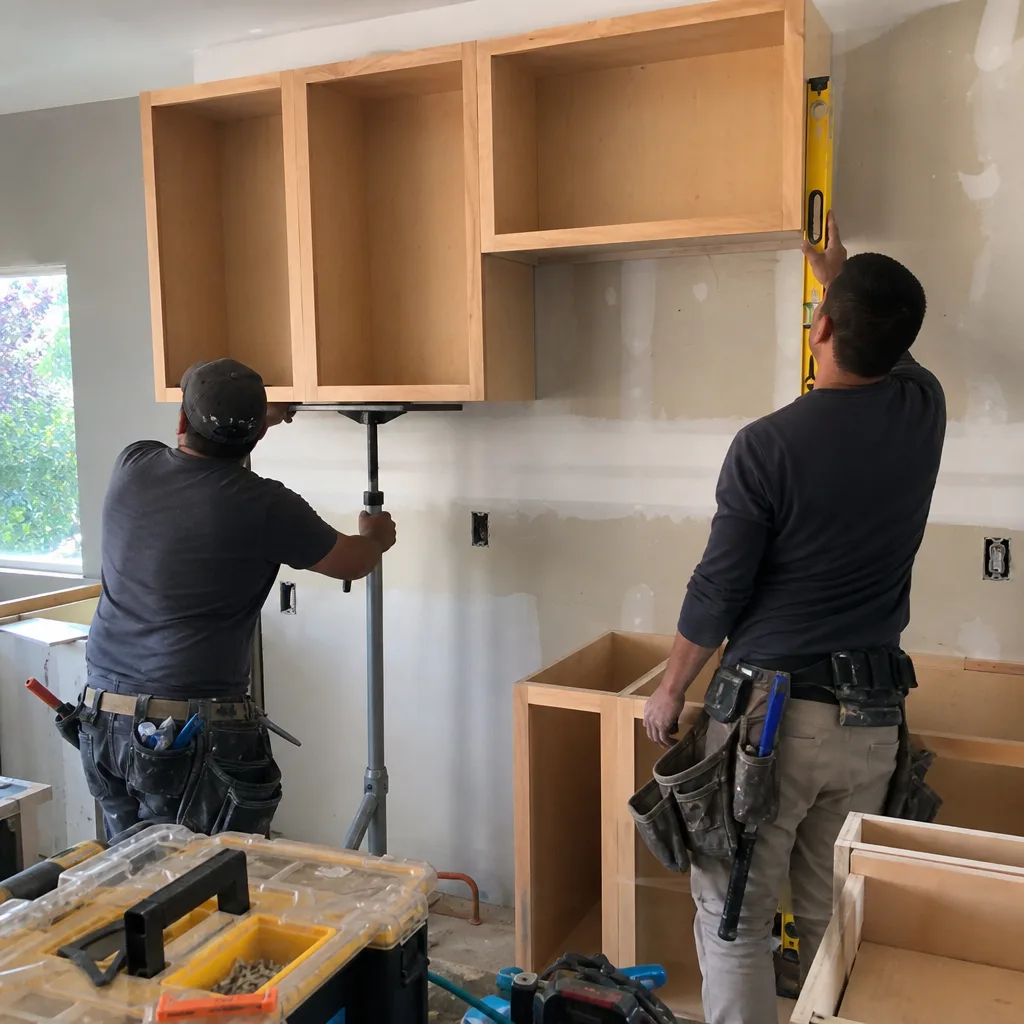
Permits aren’t just paperwork - they trigger a sequence of inspections where city inspectors verify compliance with specific code sections. Understanding what each inspector checks helps you prepare and reduces re-inspection fees.
Typical Inspection Sequence for a Kitchen or Bathroom Remodel
- Underground/rough plumbing inspection: Before walls close, the inspector verifies pipe sizing, slope, venting, and material compliance with CPC (California Plumbing Code) Chapter 7. For drain lines, minimum 1/4 inch per foot slope on 3-inch and smaller pipes
- Underground/rough electrical inspection: Verifies circuit sizing, grounding, GFCI protection locations, and arc-fault requirements per CEC (California Electrical Code) Article 210.12. The inspector will check that outlets are spaced per code and that dedicated circuits serve required appliances
- Framing/structural inspection: Checks load path, header sizing, fastener schedules, and fire-blocking per CBC Chapter 6. In Chula Vista’s seismic zone, hold-downs and shear panel nailing patterns receive particular scrutiny
- Insulation/energy inspection: Verifies Title 24 compliance - insulation R-values, window U-factors and SHGC (solar heat gain coefficient), and air sealing. Chula Vista’s climate zone (CZ 7 for most of the city, CZ 15 for coastal areas) determines specific requirements
- Drywall/nail inspection: Confirms fire-rated assemblies where required and proper fastening before texture and paint
- Final plumbing inspection: Pressure tests, fixture flow rates, and water heater seismic strapping verification
- Final electrical inspection: Operational tests of all devices, panel labeling verification, and GFCI/AFCI functional testing
- Final building inspection: Overall compliance verification, egress verification, and sign-off that all prior corrections are complete
What Inspectors Are Actually Looking For
Inspectors don’t perform quality control on workmanship - they verify code minimums. But those minimums are specific:
Structural: The inspector references CBC Table R602.3.1 for fastener schedules and verifies header spans against Tables R502.5(1) and (2). A 4-foot opening in a load-bearing wall requires a specific header size based on building width and snow load (none in Chula Vista, but roof live load applies).
Electrical: Kitchen counter outlets require GFCI protection and must be spaced so no point along the counter is more than 24 inches from an outlet (CEC 210.52(C)). Island and peninsula outlets have specific exceptions and requirements that trip up many DIY vs Professional Construction: The Chula Vista Homeowner’s Decision Guide installations.
Plumbing: Venting is the most common failure point. Each fixture trap must be within specific distances of a vent, with slopes maintained throughout. Wet venting, common in Bathroom Remodeling in Chula Vista projects, has precise limitations under CPC Section 908.
Energy: The HERS (Home Energy Rating System) rater or city inspector verifies insulation installation quality - gaps, compression, and proper coverage of conditioned space. In Chula Vista, attic insulation to R-38 is typical for existing buildings, with R-30 for raised heel trusses.
Re-Inspections and Fees
Chula Vista charges re-inspection fees when corrections aren’t made before the next scheduled inspection. The typical sequence allows one free re-inspection per phase; subsequent re-inspections incur fees that escalate. Contractors who don’t understand the specific code sections being enforced waste inspections and pass costs to homeowners.
When Work Is Done Without a Permit: The Retroactive Process
Unpermitted work discovered during a sale, insurance claim, or neighbor complaint triggers a specific administrative process. The cost and complexity depend on how long the work has been in place and whether it’s visible or concealed.
How Unpermitted Work Gets Discovered
- Real estate disclosure requirements - California Civil Code Section 1102.6 mandates disclosure of unpermitted additions
- Appraisals for refinancing, where appraisers compare permit records to visible square footage
- Insurance claims, where carriers verify permits for covered work
- Neighbor complaints, often triggered by visible work or drainage impacts
- Utility service changes that trigger code compliance verification
The Retroactive Permit Process
- Application and disclosure: Submit a retroactive permit application with full disclosure of what was done, when, and by whom. The city may require notarized owner statements
- Plan review: Submit as-built drawings showing what was actually constructed. These must be prepared by a licensed architect or engineer if structural, electrical, or plumbing systems are involved
- Exposure requirements: The building official determines what must be exposed for inspection - this ranges from selective drywall removal to full gutting depending on what’s concealed and what systems are involved
- Inspection sequence: Follow the standard inspection sequence, but with additional scrutiny. The inspector has authority to require more extensive exposure if concealed work appears non-compliant
- Correction and re-inspection: Any code deficiencies must be corrected to current code standards, not the code in effect when work was done - this is the expensive surprise
- Final sign-off: Once all inspections pass, the permit is finaled and the work is legalized
Cost Ranges for Retroactive Permits in Chula Vista
Based on our experience with retroactive permit projects in Chula Vista:
- Simple electrical or plumbing retroactive permit (work visible, code-compliant): $800-$1,500 in city fees plus contractor exposure/repair costs
- Structural addition with partial exposure required: $3,000-$8,000 in city, engineering, and contractor costs
- Full garage conversion or ADU requiring extensive exposure and upgrade to current energy code: $8,000-$20,000+
- Demolition and rebuild scenario (work is irreparable or too far from code): Full project cost plus demolition, often 1.5-2x original construction cost
The “current code” requirement is the killer. A garage converted in 2010 under then-permissible standards may need full insulation, egress windows, fire separation, and electrical upgrades to meet 2024 CBC/CRC requirements. We’ve advised Chula Vista homeowners that legalizing a 15-year-old unpermitted addition would cost more than the original construction.
Permit Costs, Timelines, and Chula Vista-Specific Factors
Permit Fee Structure
Chula Vista’s permit fees combine base charges with valuation-based fees. The city uses the ICC (International Code Council) valuation tables to estimate project value, then applies fee schedules that cover plan review, inspection, and administrative costs.
Typical permit cost ranges for common residential projects:
- Kitchen remodel (non-structural, no layout change): $800-$1,800
- Kitchen remodel with wall removal and structural modification: $1,500-$3,500
- Bathroom remodel (like-for-like replacement): $600-$1,200
- Bathroom expansion or relocation: $1,200-$2,800
- 200-amp electrical service upgrade: $500-$900
- Water heater replacement: $150-$300
- ADU (Accessory Dwelling Unit): $3,000-$8,000 depending on size and complexity, with state-mandated fee limitations under Government Code Section 65852.2(f)(3)
- Room addition (500 sq ft): $2,500-$5,500
These are city fees only - contractor costs for permit acquisition, plan preparation, and coordination are additional. Under Clause 1 of the Haven Standard, our written quotes separate permit fees from construction costs so you see the full picture before work starts.
Timeline Factors
Permit timelines in Chula Vista vary significantly based on project type and current department workload:
- Over-the-counter permits (water heaters, minor electrical): Same day to 3 business days
- Plan check - simple projects: 2-4 weeks
- Plan check - complex projects or those requiring engineering: 4-8 weeks
- ADU permits (state-mandated streamlined review): 60 days maximum by law, though complete applications often process faster
- Projects requiring Design Review or Planning Commission: 2-4 months additional
Chula Vista’s position as one of California’s faster-growing cities means permit volume fluctuates. We’ve seen plan check times double during peak construction seasons in spring and summer. Starting permit applications in fall or winter can reduce wait times by weeks.
Climate and Geography Considerations
Chula Vista’s specific conditions affect permit requirements in ways that don’t apply uniformly across California:
Marine climate corrosion: Proximity to San Diego Bay and the Pacific creates accelerated corrosion zones for fasteners, flashing, and metal components. The city enforces specific material specifications for coastal exposure that exceed inland requirements - galvanized fasteners where others use standard, or stainless in severe exposure.
Clay soils and expansive conditions: Chula Vista’s geology includes areas with expansive clay soils that swell when wet and shrink when dry. Foundation and drainage permits in affected areas - particularly in eastern neighborhoods near the Otay Mesa - require geotechnical reports and specific foundation designs that add time and cost.
Wildland-urban interface: Properties in the eastern foothills fall under state fire marshal jurisdiction with additional defensible space and ignition-resistant construction requirements. These are permit conditions that don’t exist for coastal Chula Vista properties.
Common Mistakes to Avoid
- Assuming a “like-for-like” replacement never needs a permit. Water heaters, electrical panels, and windows in egress locations all trigger permit requirements even with no layout changes. Check the specific exemption list rather than assuming.
- Hiring a contractor who works “permit-free” to save money. This saves 10-15% upfront and costs 200-400% on the back end when discovered. We’ve corrected projects where the original “savings” were consumed three times over in retroactive fees, exposure, and code upgrades.
- Not checking permit history before purchase. A Chula Vista property with visible square footage that doesn’t match assessor records indicates unpermitted work that becomes your liability. The city’s online portal is free and takes ten minutes.
- Ignoring HOA or PD restrictions. Chula Vista’s master-planned communities have design guidelines that run parallel to city permits. We’ve seen city permits approved and HOA enforcement initiated because the homeowner didn’t submit to both processes.
- Starting work before permit issuance. Inspections begin from the ground up; work concealed before permit issuance must be exposed. The “we’ll get the permit next week” approach turns into drywall removal and re-inspection fees.
- Not understanding that retroactive permits apply current code. The code in effect when you legalize work governs, not the code when it was built. This is how a 2010-compliant garage conversion becomes a 2024 non-compliance nightmare.
- Failing to coordinate utility approvals. SDG&E electrical service upgrades require separate utility approval that can take 4-6 weeks. Starting construction assuming the city permit is the only timeline creates idle crew days.
When to Call a Professional
Pull permits yourself for simple replacements where you’re certain of the scope. But How to Hire a Construction Contractor in Chula Vista: A Step-by-Step Guide recommends calling a licensed contractor when: structural elements are involved; you’re modifying electrical, plumbing, or HVAC systems; your property has prior permits with conditions you don’t understand; you’re in an HOA or planned development; or you’re considering work that might affect resale within five years.
Rowan Construction Group Chula Vista offers free estimates in Chula Vista - call (619) 536-0571. Every estimate includes a written scope, written price, and permit requirement summary before any work starts. We also offer a Free Second Opinion on any written estimate from another contractor, reviewed line by line at no charge.
Frequently Asked Questions
Permit costs range from $150 for a water heater replacement to $8,000 or more for a complex ADU, based on project valuation and inspection requirements. The city publishes fee schedules but doesn’t quote specific projects without application. Call (619) 536-0571 and we’ll include permit fees in your written estimate - no surprises.
No. Under Clause 1 of the Haven Standard, Rowan delivers a flat written price before any work begins. No change proceeds without a signed change order. This discipline has kept our projects within a few percent of the agreed price across 4,000-plus jobs since 2007.
Rowan pulls all permits as part of project management - we handle application, plan submission, inspection scheduling, and correction responses. You receive copies of all permit documents and inspection results as part of the documented photo record included standard on every visit.
Simple over-the-counter permits take same day to 3 business days. Plan check for remodels typically runs 2-4 weeks for straightforward projects, 4-8 weeks with structural or engineering review. ADU permits are state-limited to 60 days maximum. We build permit timelines into project schedules so construction doesn’t start before authorization.
The inspector issues a correction notice with specific code sections cited. We make corrections and schedule re-inspection. Chula Vista allows one free re-inspection per phase; subsequent re-inspections incur fees. Our preparation process - reviewing specific code sections with crews before inspection - minimizes failures. When they occur, we handle corrections without change orders for code compliance items within our original scope.
Yes, through the retroactive permit process, but you’re responsible as the current property owner. The process requires disclosure, as-built plans, exposure for inspection, and correction to current code standards. Costs range from roughly $800 for simple visible work to $20,000-plus for concealed structural additions. We evaluate retroactive permit feasibility during our free estimate - call (619) 536-0571.
The Bottom Line
California’s permit system rewards preparation and punishes shortcuts. The three-tier code stack - CBC, Chula Vista amendments, and your property’s specific conditions - creates complexity that generic advice can’t address. Pull permit histories before buying. Verify your contractor is quoting to the standard that actually applies, not just the state minimum. And understand that unpermitted work’s true cost isn’t the initial savings; it’s the retroactive process, the exposure, and the upgrade to current code that follows.
We’ve delivered 4,000-plus projects since 2007, every one with a written price before work started and a documented record when the crew left. The 365-Day Done Right Promise, backed by The Haven Standard, applies to every permit we pull and every inspection we pass.
Written by Grant Rowan, Owner at Rowan Construction Group Chula Vista, serving Chula Vista since 2007.