
Last updated September 25, 2026
Free written scope consultation - allowances, timeline, and change-order rules on paper before a single trade is scheduled
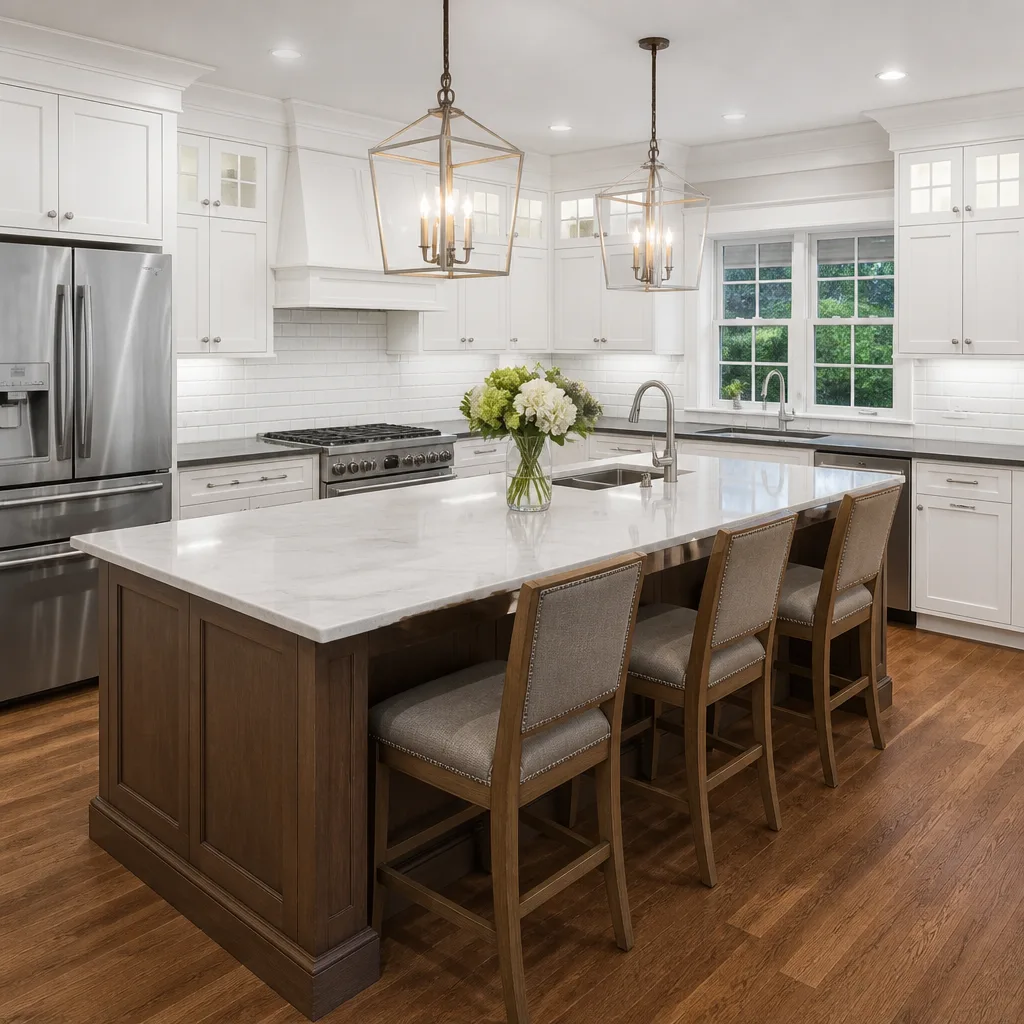
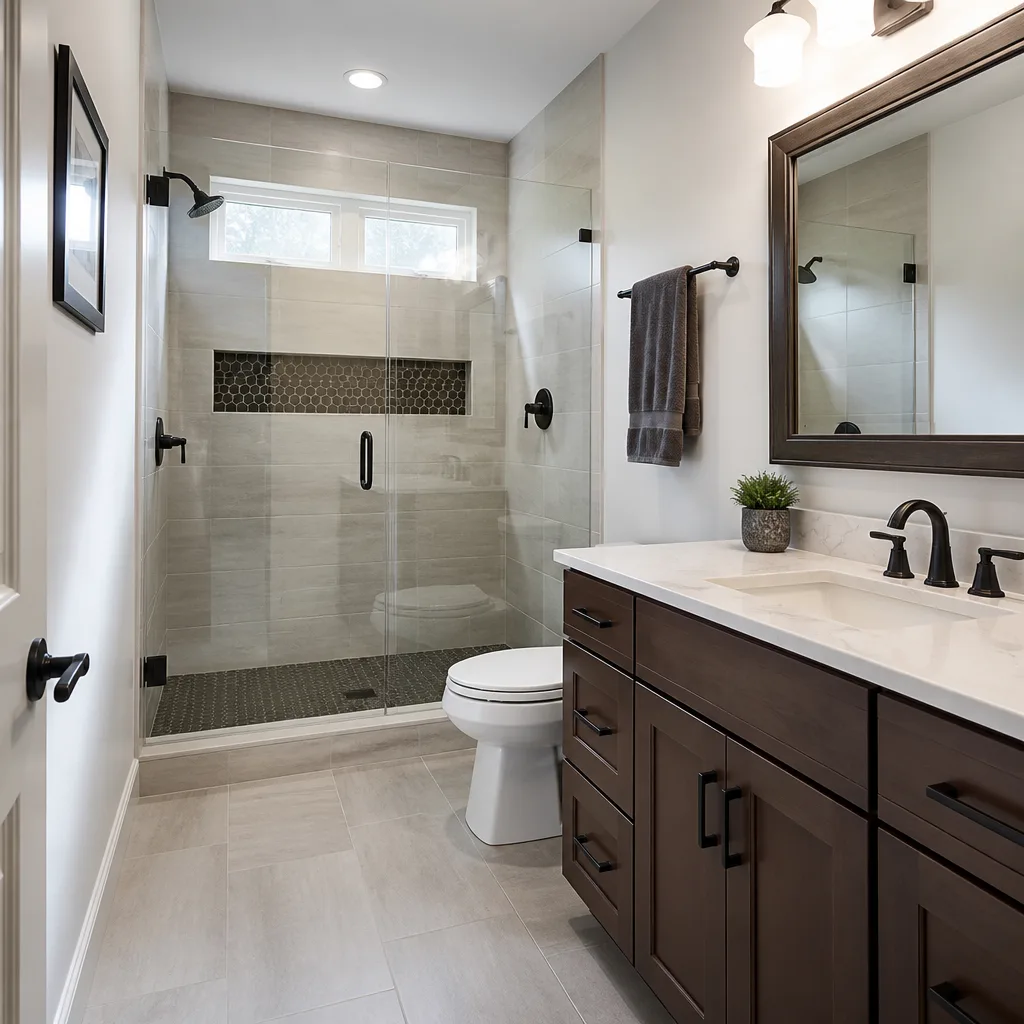


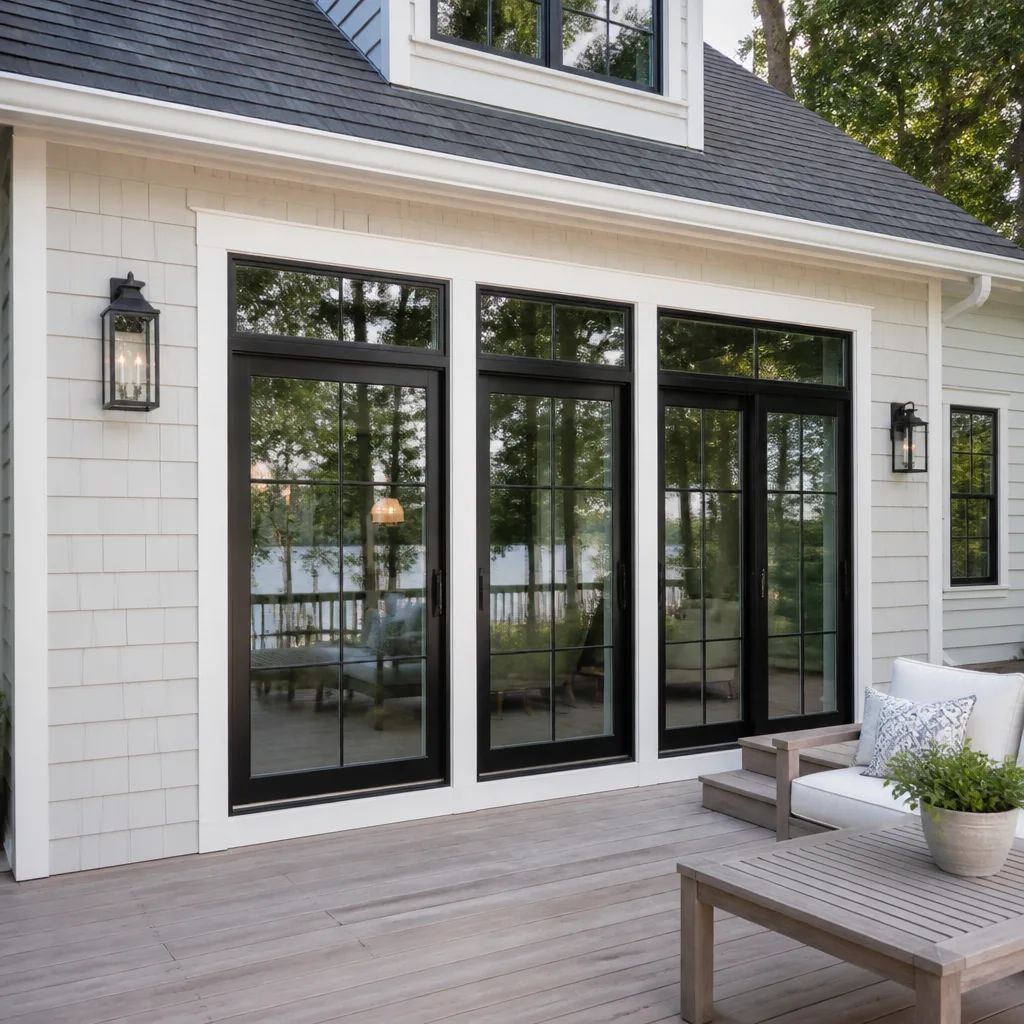
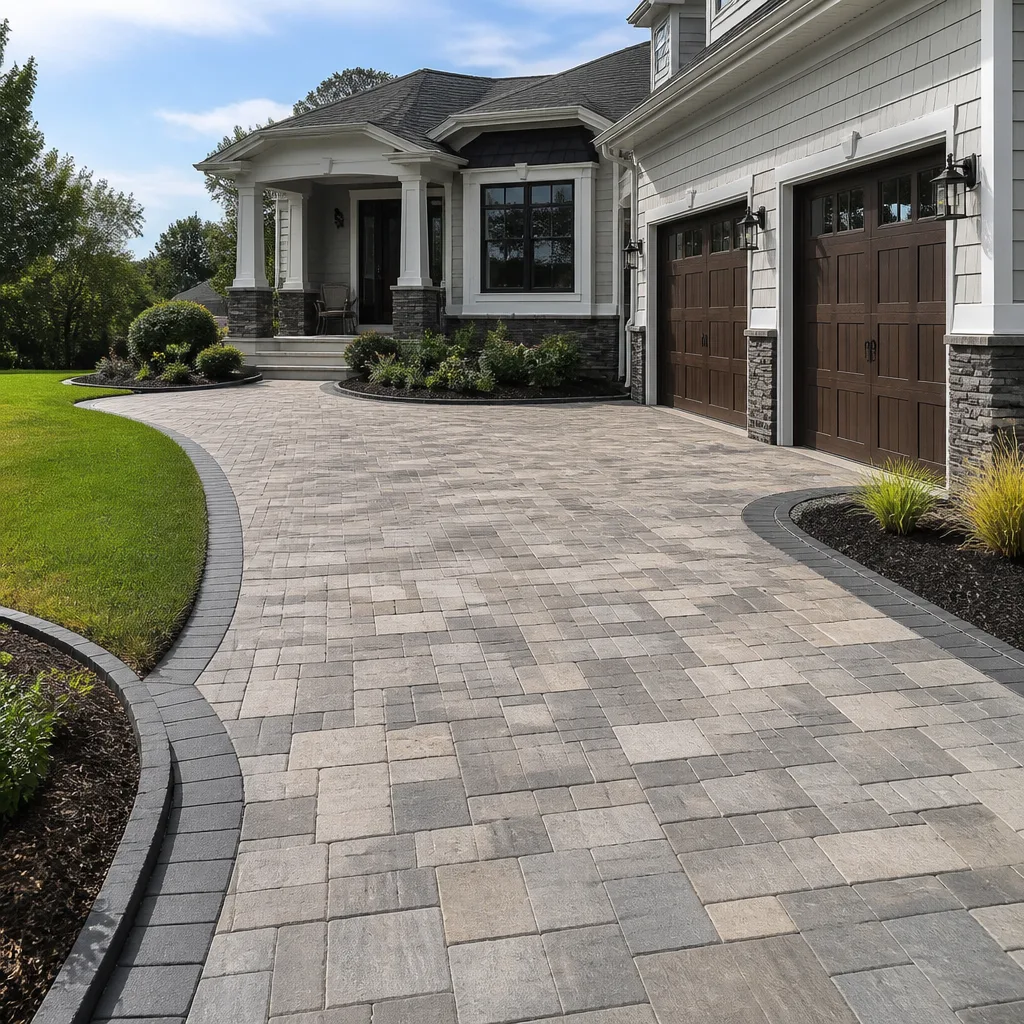
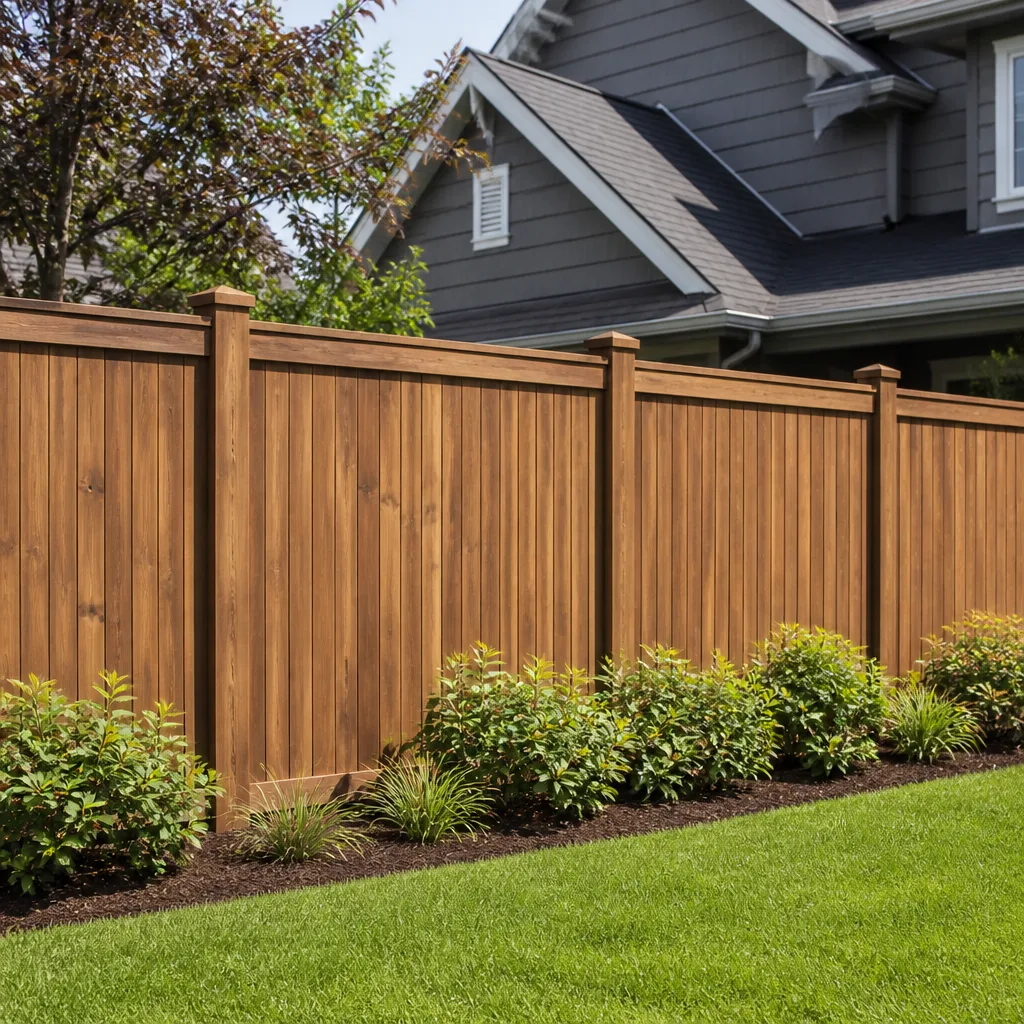
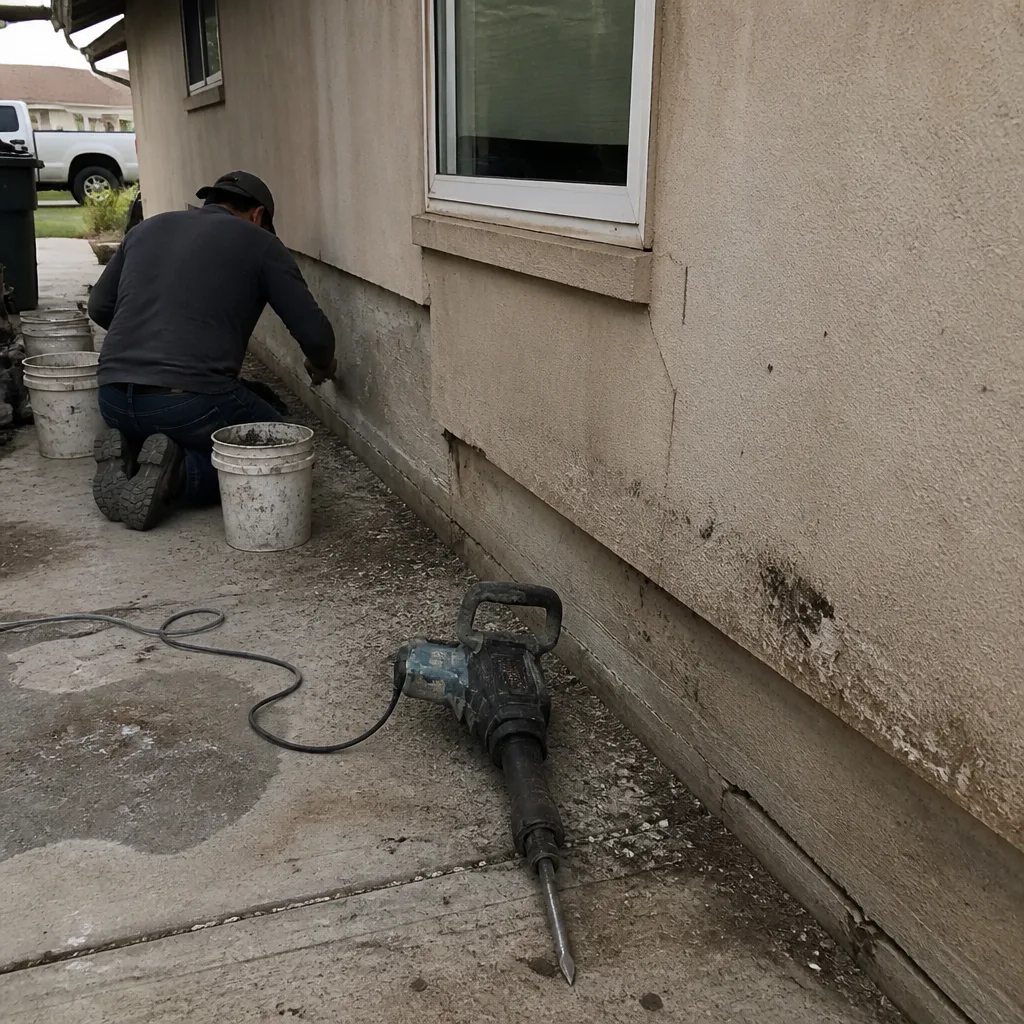 Before
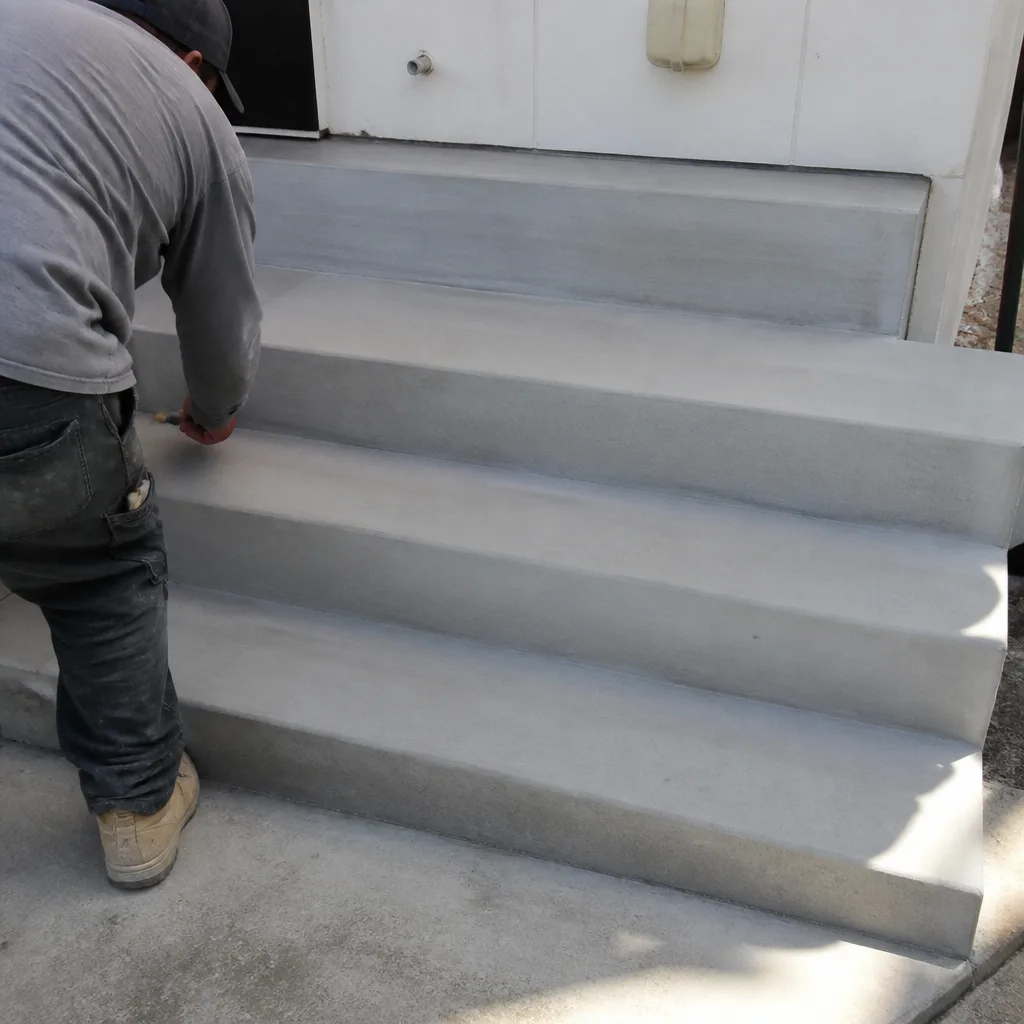 After
After Before
 After
After Before
 After
AfterHow to Hire a Construction Contractor in Chula Vista: A Step-by-Step Guide
California law requires contractors to carry both general liability and workers’ compensation insurance, but a certificate of insurance can be issued and then canceled the next day. There is one sentence you can add to your contract that closes that gap, and most Chula Vista homeowners never think to ask for it. In this guide and our Complete Guide to Construction in Chula Vista, we will show you the four documents to request before any bid discussion, how to read a CSLB license record like a project manager, and the contract language that separates a fixed-price job from a blank check.
Quick Answer
To hire a construction contractor in Chula Vista, verify the CSLB license is active and covers the trades being quoted, request a current certificate of insurance naming you as certificate holder, obtain a signed lien release template, and confirm the change order policy is in writing before any work begins. The right contractor will hand you these documents without being asked twice; the wrong one will deflect, delay, or disappear.
Table of Contents
- The Four Documents to Request Before Any Bid Discussion
- How to Read a Chula Vista Contractor’s CSLB License Record
- The Three Bid Line Items That Reveal Actual Scoping
- The Reference Check Script That Surfaces Schedule and Cost Truth
- Red Flags in Contract Language
- Chula Vista-Specific Permits, Codes, and Climate Considerations
- Common Mistakes to Avoid
- When to Call a Professional
- Frequently Asked Questions
- The Bottom Line
 Before
 After
AfterThe Four Documents to Request Before Any Bid Discussion
Most homeowners in Chula Vista start contractor vetting with a phone call about availability and a request for portfolio photos. That is backwards. The documents come first, because a contractor who cannot produce them on demand has already told you something about how they run projects.
Here are the four, in order of priority:
- CSLB license verification printout. Not a screenshot from the contractor’s phone. A current printout from cslb.ca.gov showing license number, classification, bond status, and whether any disciplinary action is pending. The classification matters: a B-General Building contractor can oversee a kitchen remodel, but if they are quoting roofing with only a C-39 Roofing classification, that is proper. If they are quoting roofing on a B license without a C-39, they are using a subcontractor they may not disclose, and you need to know who holds the permit.
- Certificate of insurance with your address as certificate holder. This is the document that closes the gap we mentioned in the opening. A standard COI proves coverage existed on the day it was printed. A COI naming you as certificate holder means the insurer must notify you if the policy is canceled. The sentence to add to your contract: “Contractor shall maintain certificate holder status for Owner through final payment, with 30-day advance written notice of any cancellation or material change.” If a contractor in Chula Vista will not add this, they have either let coverage lapse before or they do not understand why it matters. Both are problems.
- Signed lien release template. California mechanics lien law allows contractors, subcontractors, and material suppliers to file liens against your property even if you paid the general contractor in full. The protection is a conditional lien release, signed in advance, that you exchange for each progress payment. A contractor who does not have this template ready has not thought through how they protect their customers from supplier disputes. At Rowan Construction Group Chula Vista, the lien release template is attached to every contract before signature, not produced after a problem arises.
- Written change order policy. This is where budgets live or die. The policy should state: no work proceeds on a change until the change order is signed by both parties, with a written description of the change, the price impact, and any schedule impact. Under Clause 1 of the Haven Standard, this is non-negotiable. We have kept projects within a few percent of the agreed price across 4,000-plus jobs because we do not start changed work on a verbal okay. A contractor who says “we will figure it out as we go” is telling you they have not figured it out yet.
Request these four documents by email, in writing, before inviting anyone to bid. The response you get, and the speed of it, is your first filter.
How to Read a Chula Vista Contractor’s CSLB License Record
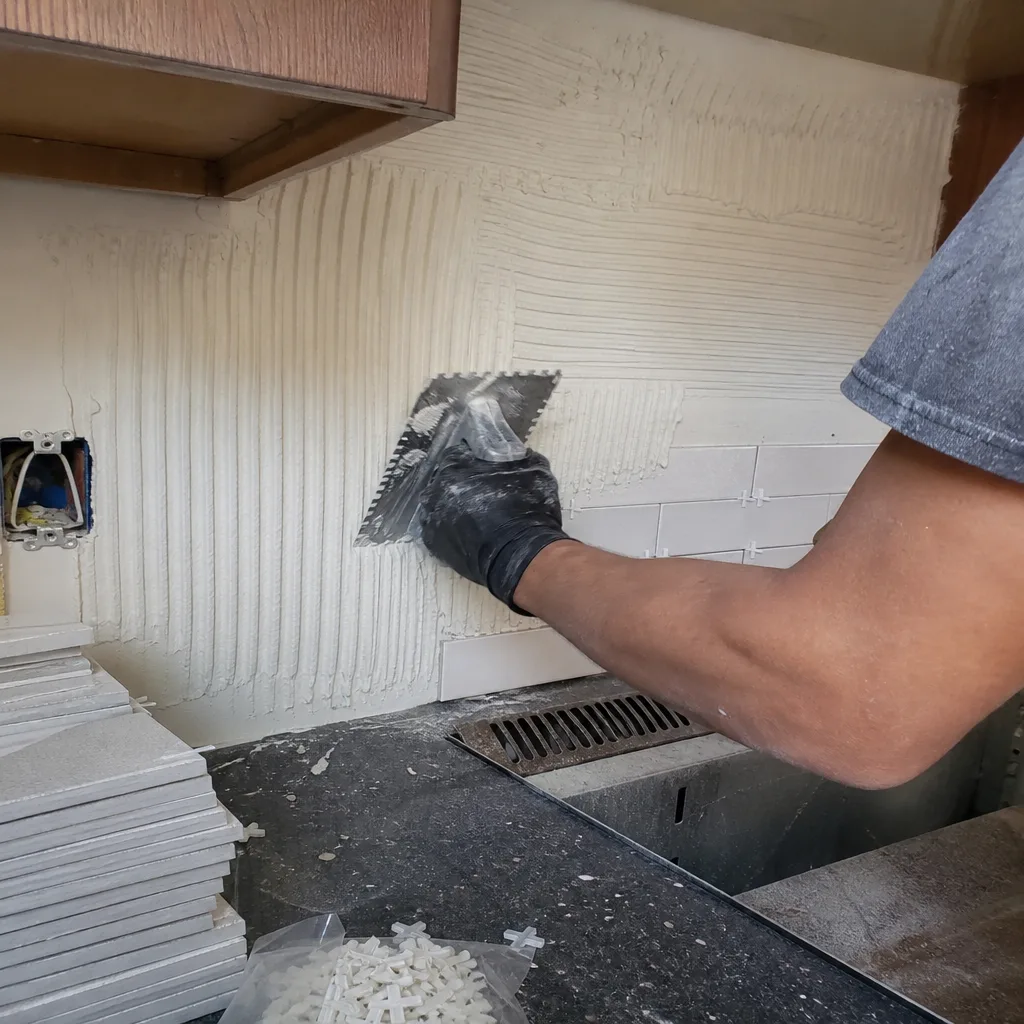
The Contractors State License Board maintains public records that tell you more than whether a license is active. Here is how to read them with the specificity a Chula Vista project demands.
Status “Clear” versus what it actually means. A “clear” status means no disciplinary action is currently pending. It does not mean no action was ever taken. Click into the disciplinary history tab. A suspension from five years ago for unlicensed activity is a pattern indicator, even if the license is now clear. We have seen contractors in the Chula Vista market with clear status and three prior suspensions who still advertise “20 years experience” without mentioning the interruptions.
Classification coverage. The license classification limits what trades the contractor can self-perform. Common Chula Vista scenarios:
- A B-General Building contractor can oversee whole-house projects but must subcontract plumbing, electrical, and HVAC to appropriately licensed specialists. The B holder pulls the permit and takes responsibility; the subs work under their authority. This is normal and proper.
- A C-36 Plumbing contractor quoting a full bathroom remodel is outside their classification unless they hold a B license or partner with one. If they do neither, they are either unlicensed for the work or using undisclosed subcontractors.
- A C-39 Roofing contractor quoting windows and doors alongside a roof replacement needs a B license or a C-17 Glazing contractor on the permit. Ask who holds which license and whose name appears on the permit application.
Workers’ compensation exemption. If the license record shows “exempt from workers’ compensation,” the contractor has no employees and uses only subcontractors or is a sole operator. This is legal but risky for large projects. If a subcontractor gets injured on your property and lacks their own coverage, the liability path gets complicated fast. For a kitchen remodeling in Chula Vista with three trades and a two-week schedule, verify that every entity on site carries current workers’ compensation.
Bond status and limit. The contractor bond is $25,000 for active licenses. This protects you if the contractor abandons the job or violates license law, but it does not cover defective work. The bond is a floor, not a ceiling. A contractor who mentions their bond as proof of quality has confused two different protections.
The Three Bid Line Items That Reveal Actual Scoping
A bid is a scope document disguised as a price. These three line items tell you whether the contractor has actually walked your job and thought it through, or whether they are pricing from a template and planning to adjust later.
1. Allowance amounts with brand and grade specified. An “allowance” is a budget placeholder for selections the homeowner has not made yet: tile, cabinets, fixtures, countertops. A vague allowance is a cost overrun waiting to happen. Compare these two lines:
- Vague: “Tile allowance: $3,000”
- Specific: “Tile allowance: $3,000 at $8/sf installed, covering 375 sf floor and 48 sf shower surround, Daltile or equivalent, Grade 2 or higher, rectified edge, suitable for wet-area application per TCNA Handbook Method B415”
The second line tells you the contractor measured the space, knows the material grade that performs in Chula Vista’s hard water conditions, and priced against a real supplier catalog. The first line tells you nothing. At Rowan Construction Group Chula Vista, allowances reference specific brands from our vetted list, KraftMaid and Wellborn for cabinets, Cambria and Caesarstone for countertops, so the written quote reflects honest numbers rather than inflated placeholders.
2. Exclusion language with specificity. Every bid excludes something. The question is whether the exclusion is named or implied. “No tree or stump removal” is clear. “Site work as required” is a hole you could drive a dump truck through. Read the exclusions for these specific risks in Chula Vista’s soil and climate:
- Termite damage repair behind removed siding or stucco
- Soil compaction or fill required after old foundation removal
- Relocation of undocumented utilities (common in older Chula Vista neighborhoods like Castle Park and Hilltop)
- Matching existing stucco texture and color, including fog coat
A contractor who lists these exclusions has seen them before. A contractor with no exclusions has not, or is planning to discover them at your expense.
3. Permit responsibility with jurisdiction named. The bid should state who pulls permits, which jurisdictions apply, and whether permit fees are included or separate. In Chula Vista, this matters because:
- The City of Chula Vista Building Division issues permits for work within city limits
- San Diego County handles unincorporated areas nearby, with different fee schedules and inspection timelines
- California Title 24 energy compliance documentation is required for additions, window replacements, and roof replacements above certain thresholds
A bid that says “permits included” without naming the jurisdiction or the compliance path has not been checked against current requirements. For roofing in Chula Vista, we specify GAF or Owens Corning systems with Cool Roof Rating Council certification to meet Title 24 cool roof requirements for steep-slope replacements in Climate Zone 7.
The Reference Check Script That Surfaces Schedule and Cost Truth
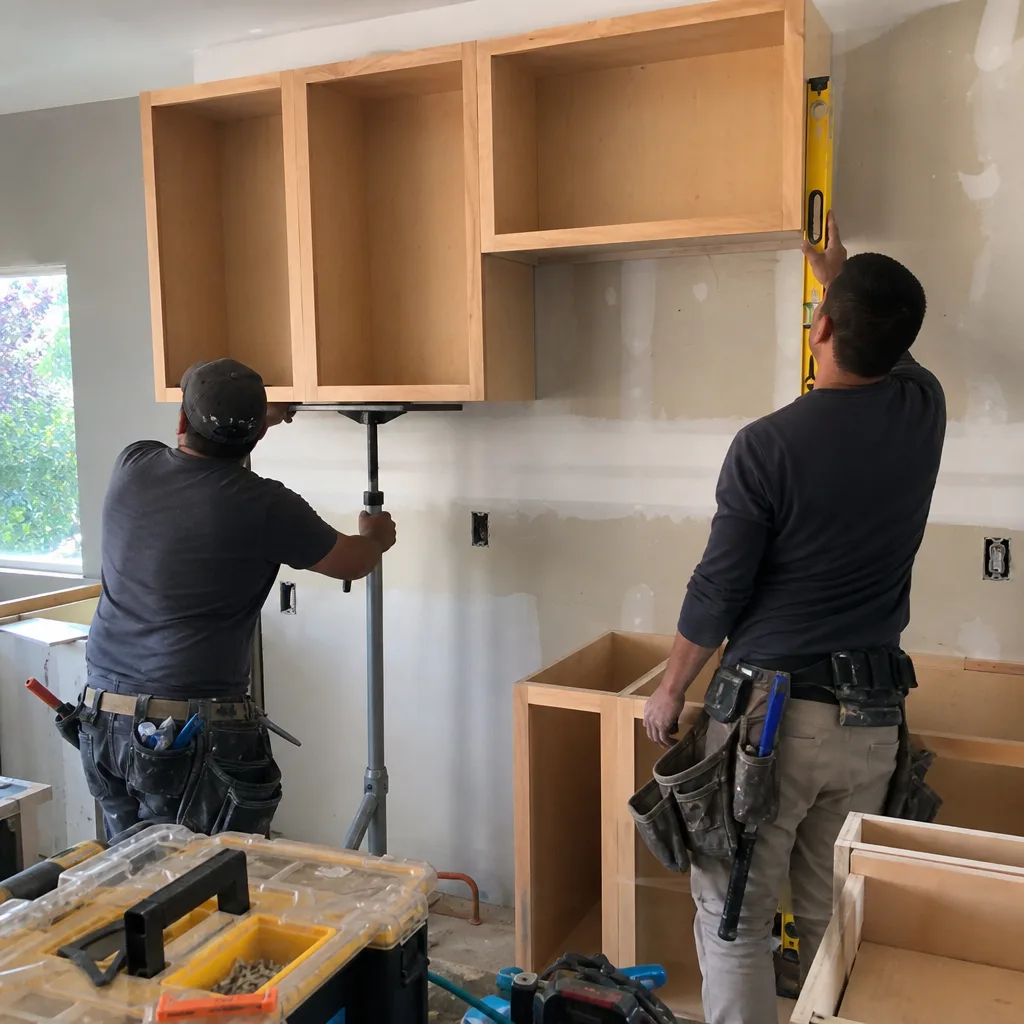
Most reference checks fail because they ask for opinions rather than facts. “Were you satisfied?” produces a yes. These five questions produce data:
- “What was your original contract price, what was your final price, and what caused the difference?” This surfaces change order discipline. A 3-5% variance is normal for discovered conditions. A 20% variance with “we just kept finding things” indicates poor scoping or pushy upselling.
- “What was your original completion date, what was your actual completion date, and what caused the delay?” Weather delays in Chula Vista are rare; material delays in 2021-2023 were common. The answer tells you whether the contractor plans realistically or promises optimistically.
- “How many days did the crew not show up, and did you get advance notice?” Schedule slippage often comes from crews bouncing between jobs. A contractor who cannot commit crews full-time to your project is managing cash flow, not workflow.
- “What documentation did you receive at the end, and have you needed to use it?” The answer should include: final lien releases, permit final inspection approval, warranty documents, and as-built or photo documentation. At Rowan Construction Group Chula Vista, every visit includes a documented photo record as standard, not an upgrade, so the customer has evidence of what was found and what was done.
- “If you were starting the same project tomorrow, what would you ask for in writing that you did not get this time?” This is the retrospective question that surfaces gaps the homeowner did not recognize until afterward. Listen for: a written change order policy, a defined substantial completion date, or a specific warranty term beyond the statutory minimum.
Ask these questions of the most recent reference, not the happiest one. A contractor who offers only references from 2019 is filtering.
Red Flags in Contract Language
Contract terms are where enthusiasm converts to obligation. These three clauses deserve scrutiny before signature.
“Cost-plus” without a guaranteed maximum price (GMP). Cost-plus means you pay actual costs plus a percentage fee. Without a GMP cap, there is no ceiling. A $50,000 estimate becomes $75,000 if material costs rise or if the project takes longer than planned, and you bear all the risk. In Chula Vista’s current market, with lumber and copper fluctuation, a cost-plus contract without a GMP is a budget destroyer. We quote flat prices with written scope because Clause 1 of the Haven Standard requires it; the price is written before anyone starts.
“Substantial completion” without a definition. This term triggers final payment obligations in most contracts. If it is not defined, the contractor can claim substantial completion when paint is still wet and fixtures are on backorder. The definition should specify: all permit inspections passed, punch list items under a dollar threshold or a specific count, and all systems operational per manufacturer specification. For bathroom remodeling in Chula Vista, substantial completion should mean the Kohler or Toto fixtures are installed, tested, and leak-free, not that they are “on order.”
“Time is of the essence” applied to the owner but not the contractor. Some contracts impose penalties on the homeowner for delayed payments or decisions while allowing the contractor open-ended extensions for weather, material availability, or “unforeseen conditions.” A balanced contract binds both parties to specific timelines with specific remedies. Read the delay clauses for mutuality.
The insurance cancellation clause. Return to our opening point. The standard contract should require the contractor to maintain general liability and workers’ compensation through final payment, with 30-day notice of cancellation to the certificate holder. If this language is absent, add it by hand and initial it. A contractor who refuses to sign the addition has already told you how they manage risk.
Chula Vista-Specific Permits, Codes, and Climate Considerations
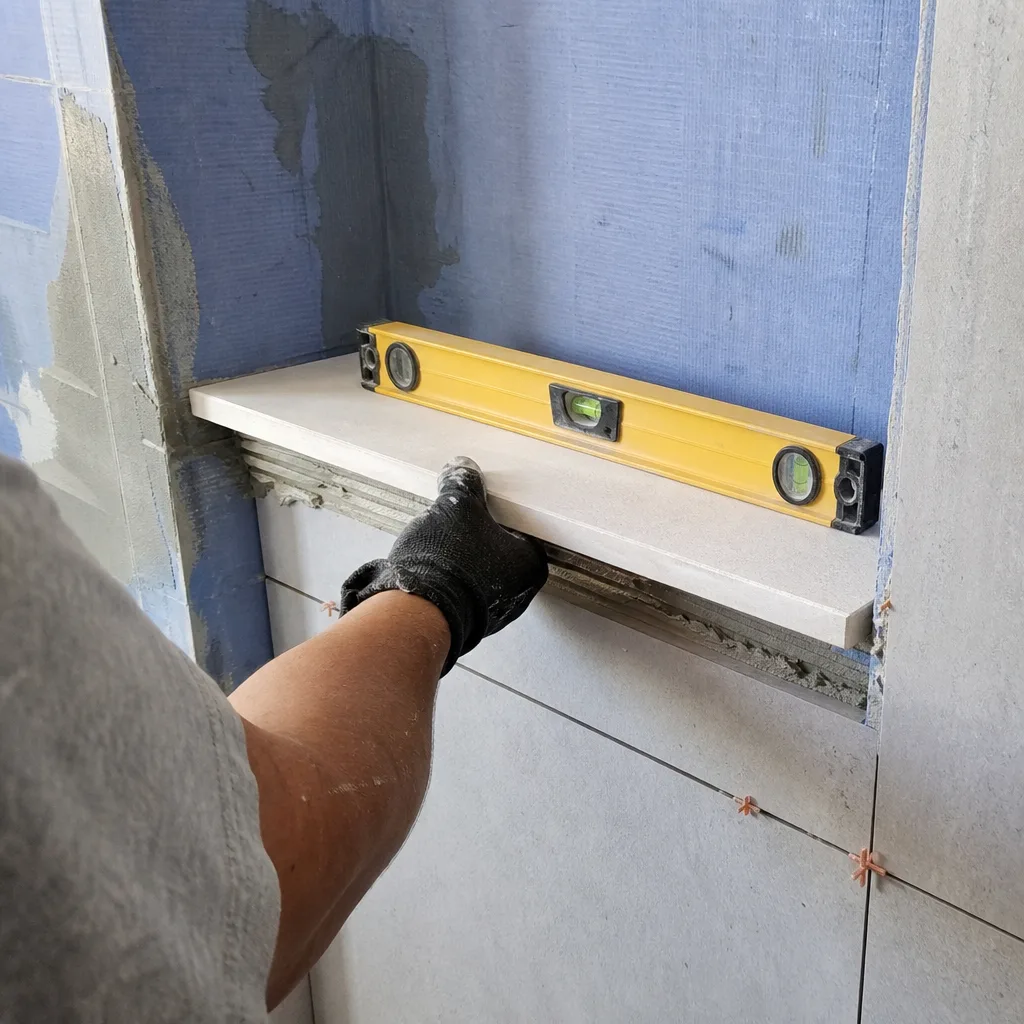
Chula Vista’s position between San Diego Bay and the coastal mesas creates specific conditions that affect construction planning and contractor selection, as detailed in our Seasonal Construction Care for Chula Vista: Year-Round Homeowner’s Guide.
Soil and foundation conditions. The western flatlands near the bay, including parts of Otay Mesa West and the Harborside area, have expansive clay soils that shrink and swell with moisture changes. Foundation repairs and additions in these areas require geotechnical review more often than hillside zones. A contractor bidding a home addition or ADU in Chula Vista should note whether soils testing is included or excluded, and whether the foundation design accounts for expansive soil potential.
Coastal climate and material selection. Chula Vista’s marine layer brings morning moisture and salt air within a few miles of the bay. This affects:
- Fastener selection: stainless or hot-dip galvanized, not electro-galvanized, for exterior applications
- Window and door frames: fiberglass or vinyl perform better than wood in high-moisture microclimates; we specify appropriate grades from our window and door partners
- Roofing: GAF and Owens Corning systems with proper underlayment for the moderate coastal temperature range, with attention to ventilation to prevent condensation in the attic space during marine layer mornings
Water conservation requirements. Chula Vista operates under the Sweetwater Authority and California’s permanent water use restrictions. Landscape projects, including driveway and paver work with Belgard or Techo-Bloc permeable pavers, may qualify for turf replacement rebates. The contractor should know whether your project triggers WaterSense fixture requirements or landscape efficiency standards.
ADU-specific considerations. Chula Vista has adopted California’s statewide ADU standards with local amendments. Key points for contractor vetting:
- Fire separation requirements for attached ADUs differ from detached; the contractor should specify which applies
- Parking replacement rules: if you convert a garage, the lost parking must be replaced on-site under most configurations
- Utility connection fees: Chula Vista has reduced or eliminated certain impact fees for ADUs under 750 square feet, but the contractor should verify current fee schedules, not quote from memory
We have delivered ADU projects in Chula Vista since the 2017 statewide enabling legislation, with written scopes that specify which local amendments apply and which do not.
Common Mistakes to Avoid
- Accepting a bid without a written scope of work. A price without a scope is not a contract; it is an invitation to dispute. Every line item should describe what is included, what material grade applies, and what labor is covered.
- Paying more than 10% down or $1,000, whichever is less, before work begins. California law sets this limit for home improvement contracts. A contractor who requests more is either ignorant of the law or testing whether you are. The exception is custom-ordered materials with long lead times, which should be documented with supplier invoices.
- Skipping the CSLB check because the contractor was “referred by a neighbor.” Referrals are valuable but not verification. The neighbor’s project was different, the crew may have changed, and the license status updates in real time. Check every time.
- Not verifying that permit final inspection passed before final payment. In Chula Vista, the Building Division issues a Certificate of Occupancy or final inspection approval for permitted work. Without it, you have no proof the work meets code, and you may face problems at resale. Make final payment contingent on documented final approval.
- Ignoring the difference between a quote and an estimate. A quote is a fixed price for a defined scope. An estimate is a best guess subject to change. Contractors sometimes use the words interchangeably. Read the document: if it says “this is an estimate” or “prices subject to change,” it is not a quote. At Rowan Construction Group Chula Vista, the written price is always a flat price, never an estimate that drifts.
- Not asking about the crew that will actually be on site. The person who sells the project is often not the person who manages it. Ask who the project manager is, how often they visit, and whether the crew is employed or subcontracted. Background-checked, uniformed technicians with a live person answering calls 24/7 is our standard; it should be someone’s standard for your project too.
- Failing to get a second opinion on a large bid. For any project over $15,000, a second written estimate is due diligence, not insult. We offer a Free Second Opinion on any written estimate: bring a competitor’s quote and we will review it line by line at no charge, because an informed customer makes a better client.
When to Call a Professional
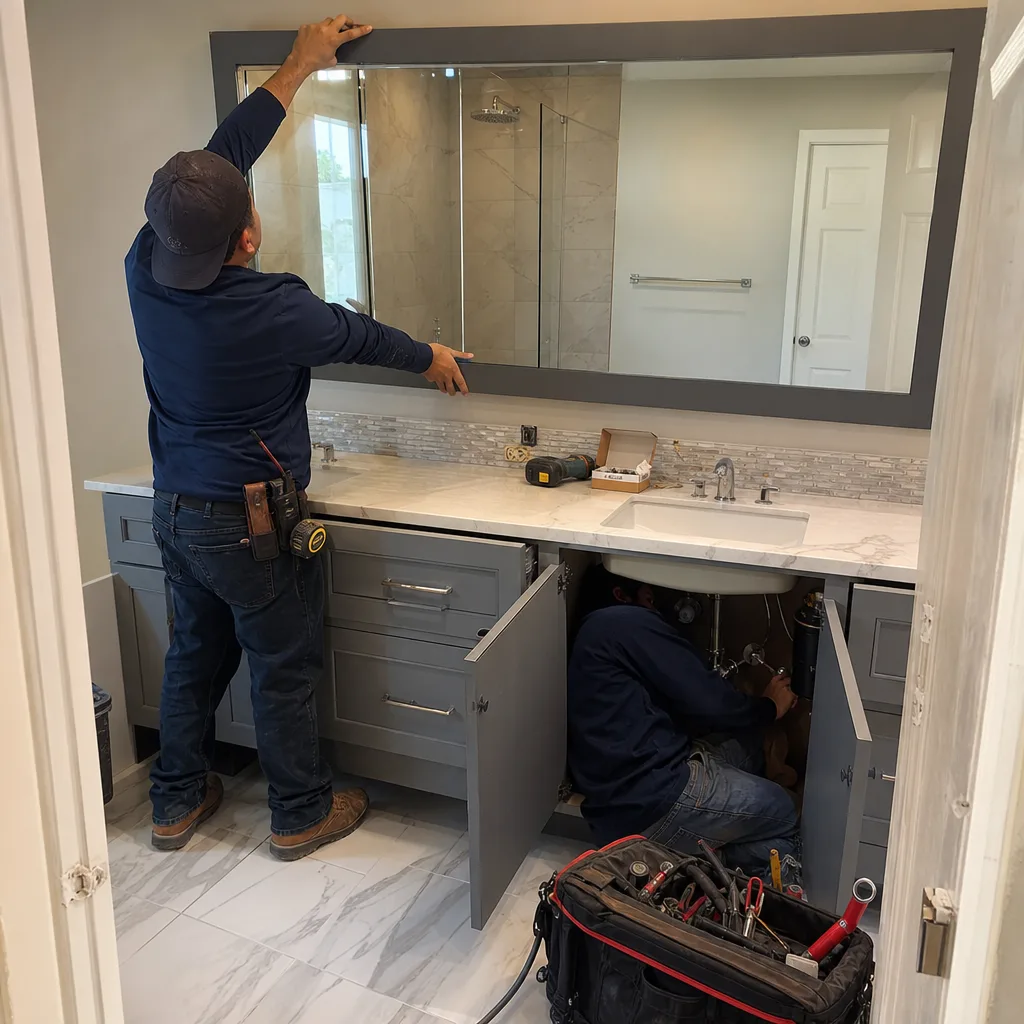
Call a licensed construction contractor when the project requires permits, affects structural elements, or involves multiple trades. In Chula Vista, this threshold arrives quickly: replacing a window in an existing opening may not require a permit, but enlarging the opening triggers structural review. A water heater replacement is often permit-exempt if like-for-like, but moving it to a new location requires plumbing and mechanical permits. When you are unsure, the City of Chula Vista Building Division will confirm permit requirements by phone.
For projects that do require professional work, Rowan Construction Group Chula Vista offers free estimates with written flat prices before any work starts. Our seven trades cover kitchen and bathroom remodeling, roofing, windows and doors, fence installation, driveway and pavers, and home additions including ADUs. Every estimate includes a written scope, a documented photo record, and the 365-Day Done Right Promise backed by The Haven Standard. Call (619) 536-0571 to schedule yours.
Frequently Asked Questions
Project costs in Chula Vista range from $8,000-$15,000 for a minor bathroom update to $75,000-$150,000 for a full kitchen remodel with layout changes, and $150,000-$400,000 for a detached ADU depending on size and finish level. These ranges reflect 2024-2025 material and labor costs in the San Diego market, with permitting and Title 24 compliance included. Call (619) 536-0571 for an exact quote on your specific project; estimates are free and include a written flat price.
Visit cslb.ca.gov and enter the license number. Confirm the status is “Active,” the classification covers the work being quoted, the bond is current, and workers’ compensation is either current or the exemption is appropriate for your project size. Check the disciplinary history tab, not just the summary. Do this for every contractor you consider, every time.
A California home improvement contract must include: the contractor’s name, address, and license number; a description of the work to be performed and materials to be used; the total contract price and payment schedule; start and completion dates; a notice of cancellation rights; and a notice of mechanics lien rights. Beyond the minimum, insist on: a defined change order policy, a certificate of insurance naming you as certificate holder, and a specific definition of substantial completion. Under Clause 1 of the Haven Standard, the price is written before anyone starts.
A cosmetic kitchen refresh with cabinet refacing, countertop replacement, and fixture updates typically takes 3-4 weeks; see our Kitchen Remodeling Maintenance Checklist for Chula Vista Homeowners for keeping results intact. A full remodel with wall removal, electrical relocation, and custom cabinetry takes 8-12 weeks, plus 2-4 weeks for permit approval if layout changes trigger plan review. Chula Vista’s Building Division offers over-the-counter permits for straightforward replacements but routes structural and layout changes through plan check, which adds time. The written scope should specify which permit path applies and how schedule adjusts if plan check extends.
With a fixed-price contract and a signed change order policy, the price changes only when both parties agree in writing to a scope change. Without these documents, the price changes when the contractor says it changes. At Rowan Construction Group Chula Vista, no work proceeds on a change until the change order is signed, which is the discipline that has kept our projects within a few percent of the agreed cost across 4,000-plus jobs. Call (619) 536-0571 for a written flat price that does not drift.
Rowan Construction Group Chula Vista pulls all permits as part of our standard process, with permit fees itemized in the written quote. The permit is issued in our license holder’s name, which means we carry responsibility for code compliance and inspection scheduling. Some homeowners prefer to pull owner-builder permits to save the contractor’s markup on permit fees, but this transfers liability to the homeowner and may complicate resale disclosure. We recommend contractor-pulled permits for all but the most experienced owner-builders.
The Haven Standard is the operating framework Rowan Construction Group has used since 2007, with specific clauses that govern how we price, execute, and guarantee work. Clause 1 requires a written flat price before any work starts. The 365-Day Done Right Promise states that if it is not done right, we make it right, with the guarantee printed on every page and backed by a terms page, not an asterisk. The documented photo record on every visit, included as standard, gives you evidence of what was found and what was done. These are not marketing claims; they are system requirements we follow on every project.
The Bottom Line
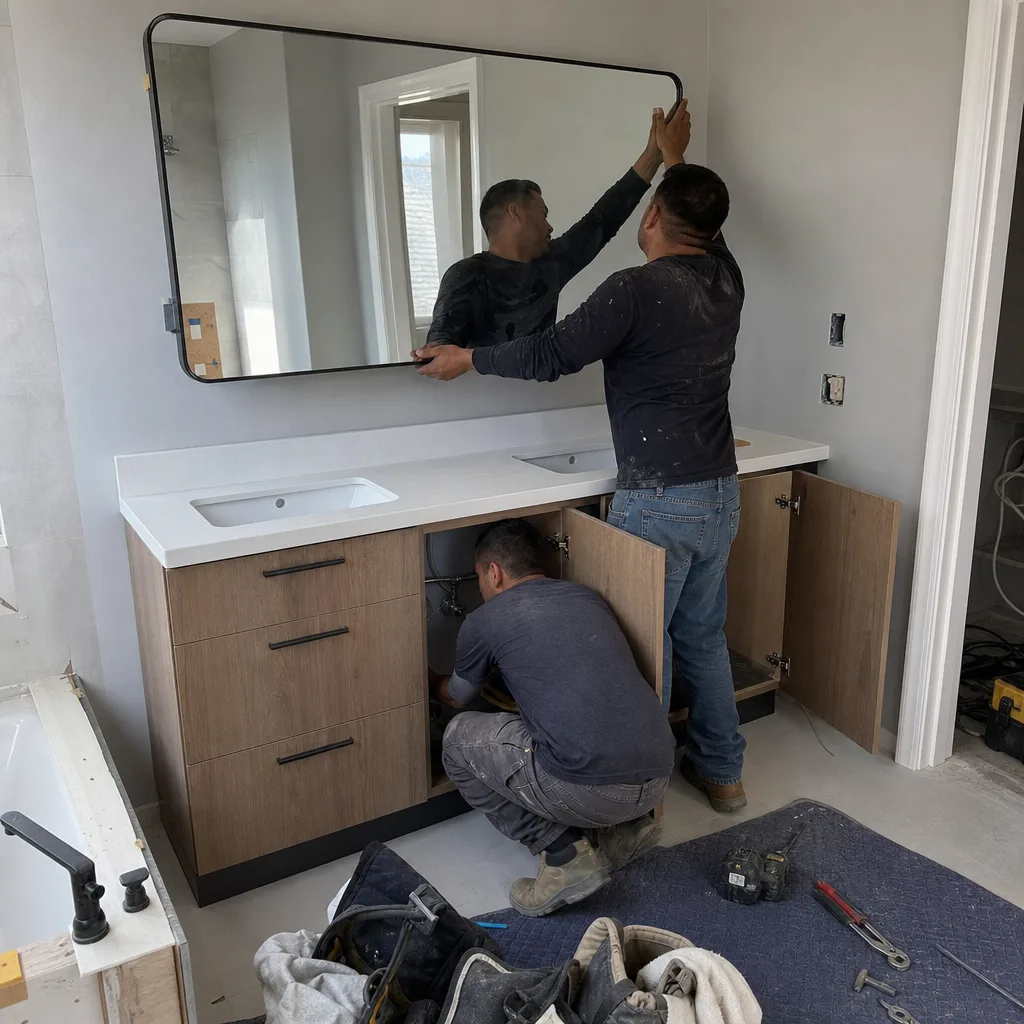
Hiring a construction contractor in Chula Vista comes down to documentation discipline. The contractor who hands you four documents before discussion, scopes allowances to the brand and grade, defines substantial completion in writing, and signs change orders before changed work begins is the contractor who finishes within a few percent of the price you agreed to. The one who deflects, delays, or disappears when asked for these documents has already shown you how they manage projects. Verify the license, read the bid line items, run the reference script, and read the contract language with the skepticism of someone spending five figures. The right contractor will not mind; they have been doing it this way for years. Explore more guides & resources to protect your investment.
Written by Grant Rowan, Owner at Rowan Construction Group Chula Vista, serving Chula Vista since 2007.