
Last updated September 25, 2026
Free written scope consultation - allowances, timeline, and change-order rules on paper before a single trade is scheduled
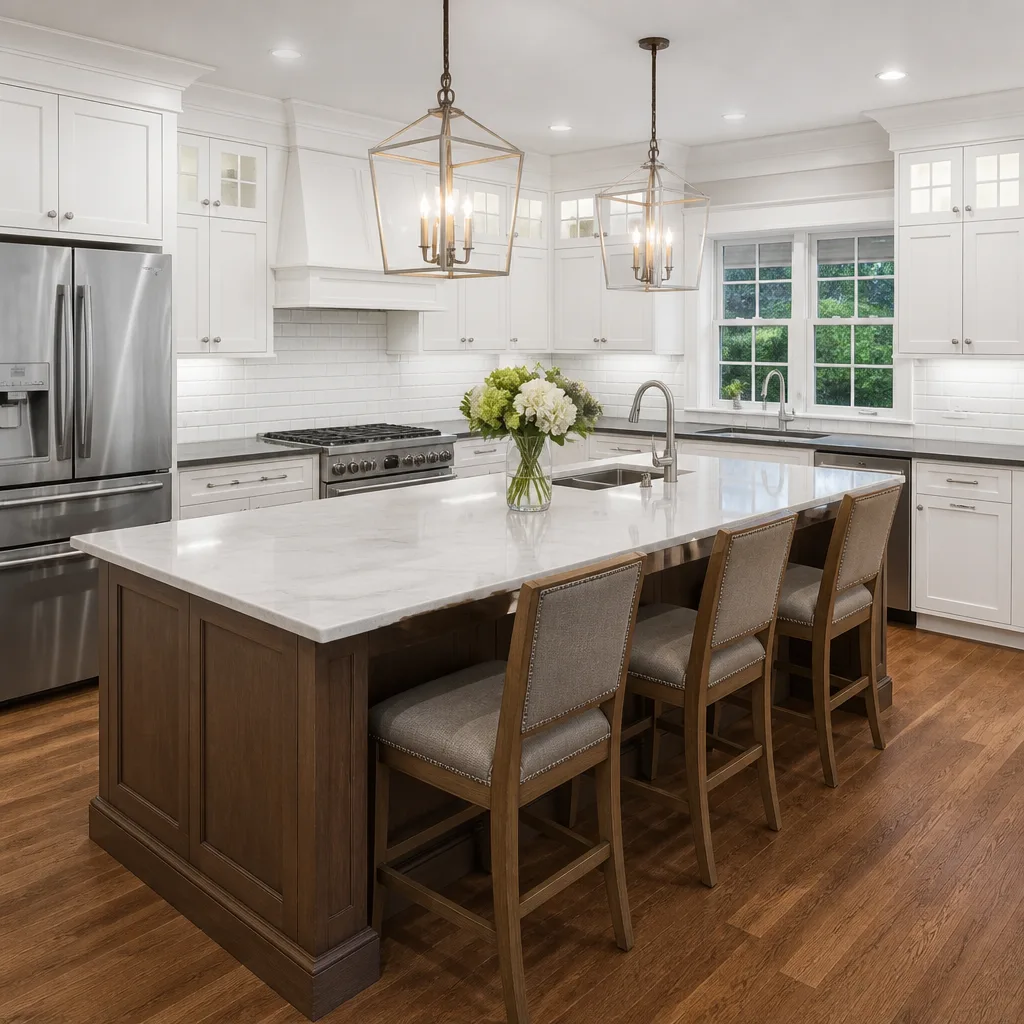
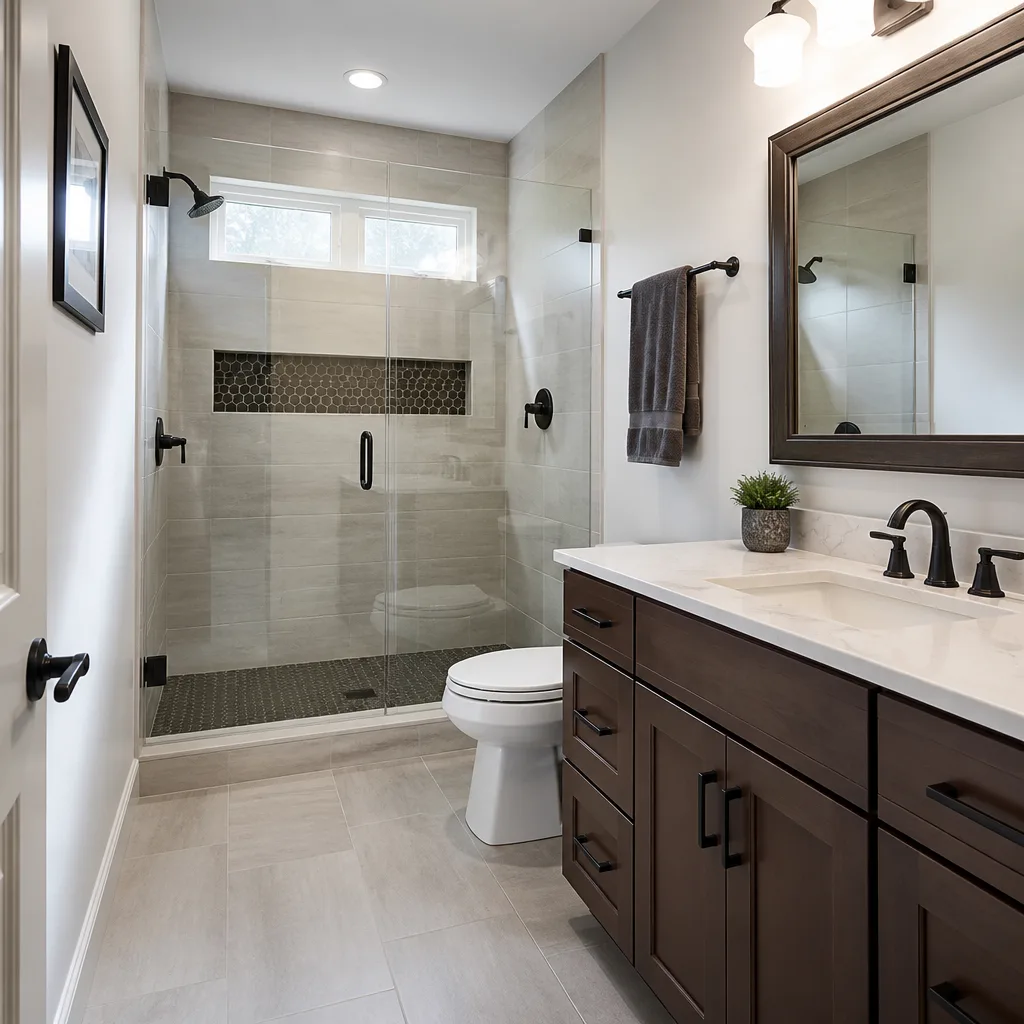
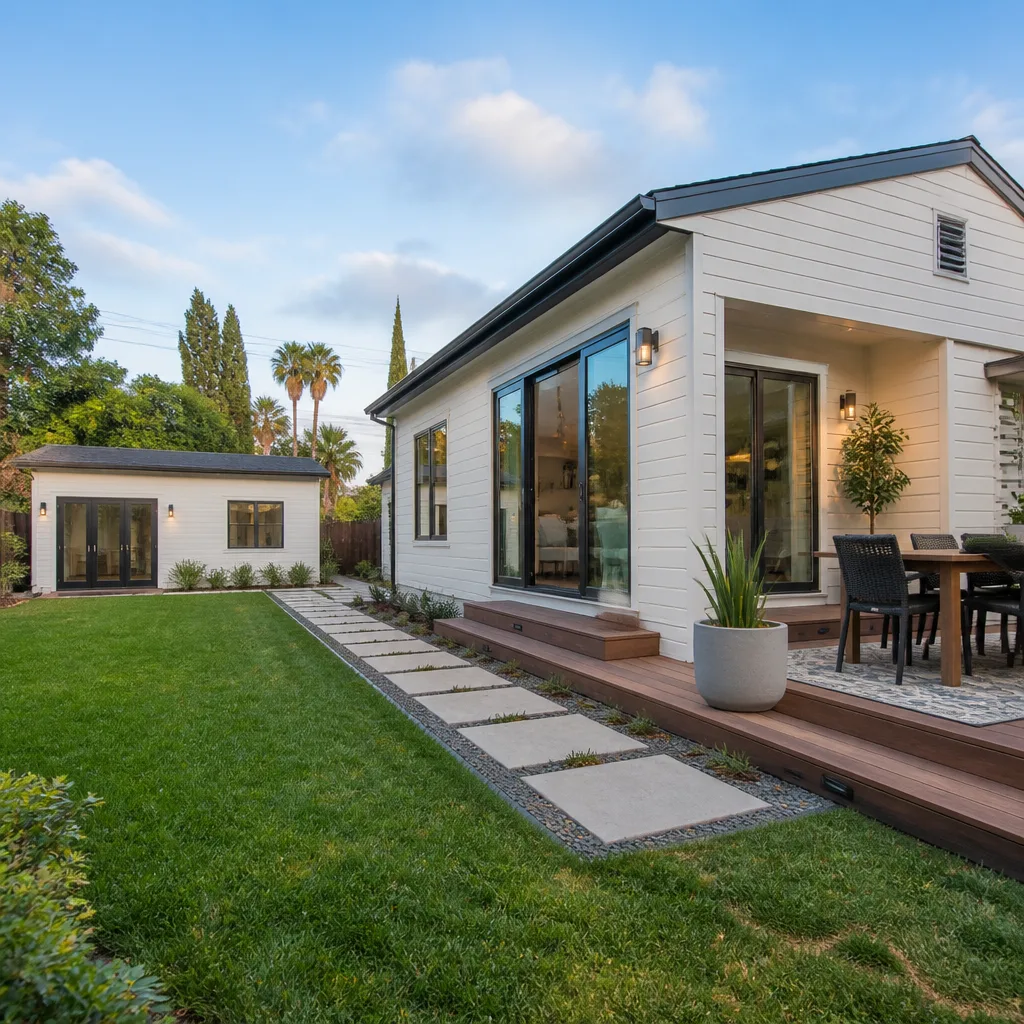

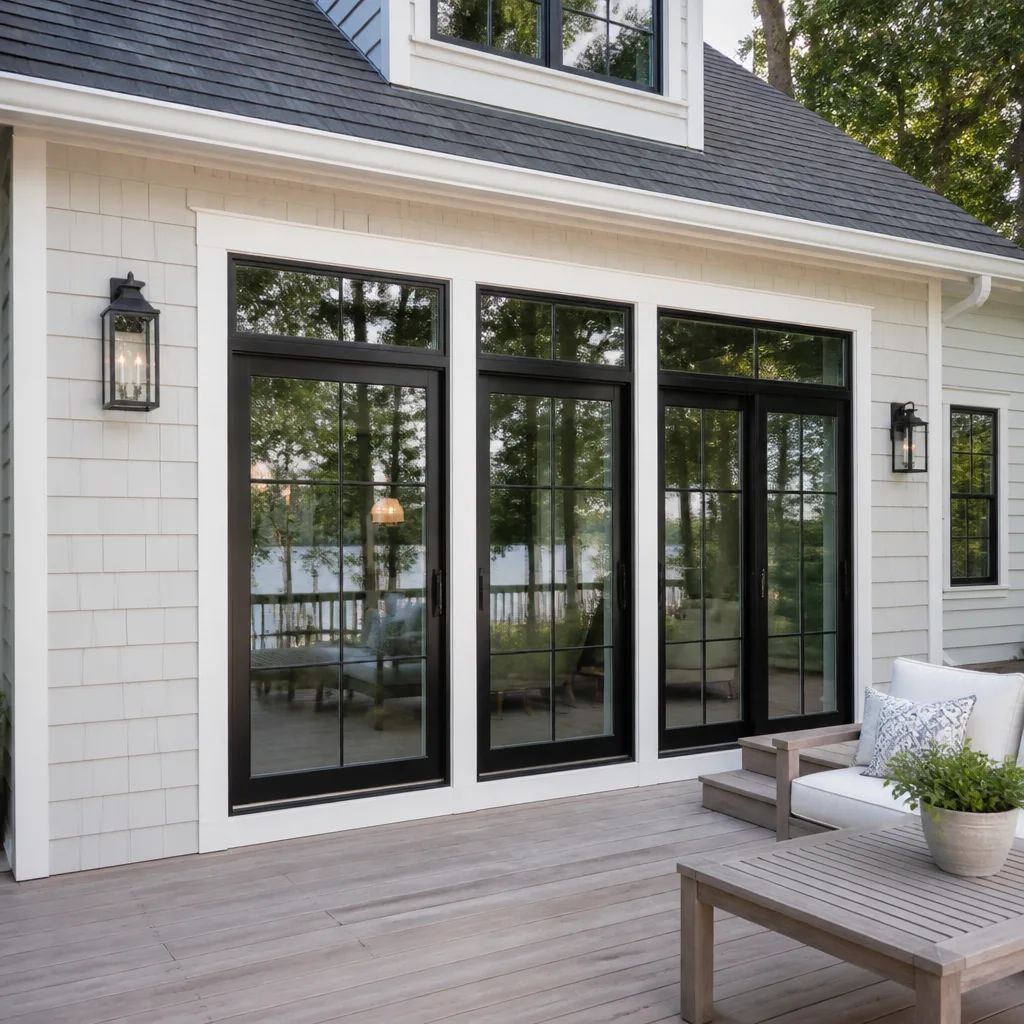
 Before
 After
After Before
 After
After Before
 After
AfterDIY vs Professional Construction: The Chula Vista Homeowner’s Decision Guide
California homeowner-builder exemptions let you pull your own permits on a primary residence, but here’s what most Chula Vista homeowners don’t learn until they’re at escrow: sell within two years, and you must disclose the self-built work. The buyer’s lender may then demand a licensed contractor sign-off, which can cost more than hiring the job out originally would have. Across 4,000-plus projects since 2007, we’ve reviewed hundreds of homes where DIY decisions made years earlier became expensive surprises at sale time. This guide maps the actual legal boundaries of owner-performed work in California, then applies a cost-and-liability framework to the five projects Chula Vista homeowners attempt most often. For How to Hire a Construction Contractor in Chula Vista: A Step-by-Step Guide, see our companion resource.
Quick Answer
DIY construction in Chula Vista saves money only when the work is legally permitted, the homeowner has verifiable time to complete it, and the failure cost is less than the contractor bid. For most structural, electrical, plumbing, and roofing work, California restricts or prohibits owner-performed installation; even where allowed, the insurance and resale liabilities often erase any labor savings. The hybrid model - homeowner handles demo, painting, and finish hardware while a licensed contractor manages permitted trades - typically delivers 15-25% cost reduction without the legal exposure.
Table of Contents
- The California Homeowner-Builder Exemption: What You Can and Cannot Legally Do
- True Cost Comparison: Five Common Chula Vista Projects
- The Insurance Gap: How DIY Affects Your Claim
- Skill and Time Audit: Three Questions Before You Commit
- The Hybrid Model: Reducing Cost Without Creating Liability
- Permits, Disclosure, and Resale: The Long-Term Math
- Common Mistakes to Avoid
- When to Call a Professional
- Frequently Asked Questions
- The Bottom Line
 Before
 After
AfterThe California Homeowner-Builder Exemption: What You Can and Cannot Legally Do
California Business and Professions Code Section 7044 allows homeowners to act as their own contractor on a single-family dwelling they occupy, or intend to occupy, as their principal residence. This is the homeowner-builder exemption, and it is narrower than most Chula Vista residents assume.
The exemption applies to construction, repair, or improvement work. It does not apply to all trades. Specifically excluded: asbestos abatement, electrical service entrance work (the connection from utility pole to meter), gas line installation or modification, and well drilling. You cannot use the exemption on a rental property, a second home, or a home you intend to flip. The property must be your principal residence at the time of permit application and throughout construction.
Here’s where Chula Vista’s market conditions matter. In neighborhoods like Otay Ranch, Eastlake, and Rancho del Rey, many homes built between 1995 and 2010 are now hitting their first major systems replacement cycle: original composition shingle roofs, galvanized plumbing, and aluminum windows. Homeowners in these areas often assume they can self-permit a roof replacement or window swap. They can, legally, if they occupy the home. But the exemption does not remove the requirement to comply with the 2022 California Building Code, Chula Vista Municipal Code amendments, or San Diego County fire and energy regulations. A homeowner-builder permit still triggers inspections, still requires approved plans for structural changes, and still leaves the owner personally liable for code violations.
We have reviewed projects in Chula Vista where a homeowner pulled their own permit for a patio cover, built to an outdated setback, and received a correction notice that required partial demolition. The permit was valid; the construction was not. The exemption grants permit eligibility, not construction immunity.
Critical detail for Chula Vista’s climate: any exterior work must account for San Diego County’s wind exposure zone requirements and, in canyon-adjacent areas like Telegraph Canyon or Rolling Hills Ranch, fire-resistant construction materials. See our Seasonal Construction Care for Chula Vista: Year-Round Homeowner’s Guide for climate-specific maintenance timing. A homeowner-builder who specifies standard cedar siding in a Very High Fire Hazard Severity Zone has a permit problem, even with a valid exemption.
True Cost Comparison: Five Common Chula Vista Projects
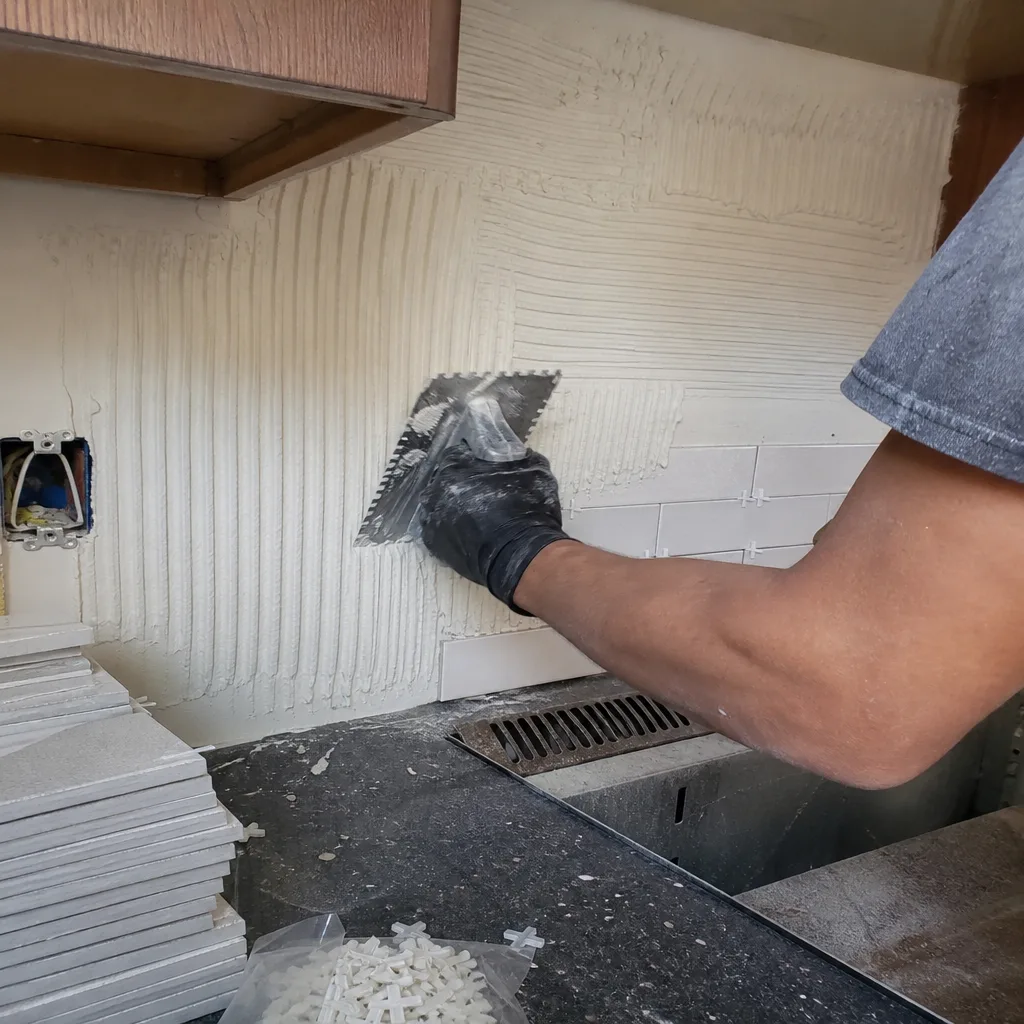
The internet is full of “DIY saves 50%” claims. We have never seen that math hold up when tool costs, material waste, failure rates, and time value are included honestly. Below are five projects Chula Vista homeowners regularly ask about, with actual cost ranges based on 2024 material pricing and our project history in the 91910, 91913, 91914, and 91915 zip codes.
1. Kitchen Tile Backsplash (30 square feet)
| Cost Component | DIY | Professional (Rowan Bid Range) |
|---|---|---|
| Tile (ceramic subway, mid-grade) | $180-$240 | $180-$240 |
| Thinset, grout, sealer | $45-$65 | $45-$65 |
| Wet saw rental (1 day) | $55-$75 | - |
| Notched trowel, spacers, float | $35-$50 | - |
| Labor | 8-12 hours | $320-$480 |
| Total | $315-$430 + your time | $545-$785 |
Verdict: DIY is viable if you have tile experience. First-timers waste 15-20% on cuts and alignment errors. In Chula Vista’s hard water environment, improper sealing leads to grout discoloration within 18 months.
2. Interior Door Installation (prehung, standard 32-inch)
| Cost Component | DIY | Professional |
|---|---|---|
| Door and jamb unit | $140-$280 | $140-$280 |
| Shims, finish nails, casing | $25-$40 | $25-$40 |
| Level, saw, chisel (if unowned) | $60-$120 | - |
| Labor | 3-5 hours | $180-$280 |
| Total | $225-$440 + your time | $345-$600 |
Verdict: Straightforward for handy homeowners. Complications arise in older Chula Vista homes, particularly in the historic district near Third Avenue, where plaster-and-lath walls and out-of-square openings are common. A prehung unit in a non-standard rough opening requires jamb modification that most homeowners underestimate.
3. Deck Construction (12×16 feet, pressure-treated, attached)
| Cost Component | DIY | Professional |
|---|---|---|
| Lumber, hardware, concrete | $2,800-$3,600 | $2,800-$3,600 |
| Permit and plan fees (Chula Vista) | $450-$650 | $450-$650 |
| Circular saw, drill, level, post-hole digger | $200-$350 | - |
| Labor | 40-60 hours | $3,200-$4,800 |
| Total | $3,450-$4,600 + 1-2 weekends | $6,450-$9,050 |
Verdict: The largest apparent savings on this list. But Chula Vista’s expansive clay soils, particularly in the Otay Ranch area, require deeper footings than many DIY builders install. We have replaced three homeowner-built decks in the past four years where posts heaved after the first wet season. The failure cost - full removal and rebuild - erases the original savings and then some.
4. Bathroom Vanity Replacement (including faucet and drain hookup)
| Cost Component | DIY | Professional |
|---|---|---|
| Vanity, top, faucet | $400-$900 | $400-$900 |
| Supply lines, P-trap, caulk | $35-$55 | $35-$55 |
| Plumber’s wrench, basin wrench | $40-$70 | - |
| Labor | 4-8 hours | $400-$650 |
| Total | $475-$1,025 + your time | $835-$1,605 |
Verdict: The cabinet swap is manageable. The drain connection is where DIY fails. Chula Vista’s older neighborhoods, including Castle Park and Harborside, often have galvanized drain lines that crumble when disturbed. A homeowner who discovers this mid-project faces an emergency plumber call at premium rates. Under Clause 1 of the Haven Standard, our written price includes this contingency assessment before work starts.
5. Drywall Patch (2×2 foot ceiling, textured match)
| Cost Component | DIY | Professional |
|---|---|---|
| Drywall, tape, mud, texture | $35-$55 | $35-$55 |
| Utility knife, mud pan, hawk, sprayer | $45-$80 | - |
| Labor | 6-10 hours (over 3 days for drying) | $280-$420 |
| Total | $80-$135 + your time | $315-$475 |
Verdict: The worst DIY value on this list. Texture matching - orange peel, knockdown, or skip trowel - requires practice and the correct pressure and nozzle setup. We receive more repair calls for visible drywall patches than any other DIY callback. The material cost is trivial; the skill cost is high.
The Insurance Gap: How DIY Affects Your Claim
Homeowners’ insurance policies in California contain a standard exclusion for damage caused by “faulty, inadequate, or defective construction.” The interpretation of this clause, when DIY work is involved, depends heavily on documentation.
When a claim is filed on a remodeled or repaired area, the adjuster’s investigation follows a predictable sequence. First, they request permits. Unpermitted work, even if competently performed, triggers coverage questions. Second, they request contractor documentation. Self-performed work has none. Third, they inspect for code compliance. Work performed without inspection has no verification.
We have consulted on two Chula Vista claims in the past three years where this sequence denied coverage. In one case, a homeowner in Eastlake had self-installed a bathroom exhaust fan, venting it into the attic rather than through the roof. Moisture accumulated, mold developed, and the remediation claim was denied. The installation was technically competent - the fan operated - but the venting violated code, and the lack of permit removed the insurer’s obligation.
The critical point: California does not require homeowners to use licensed contractors for exempt work. But insurers are not bound by the exemption. They are bound by the policy language, and standard policies assume construction meets code and is documented. DIY work often meets neither assumption.
For Chula Vista homeowners in the Rowan Construction Group Chula Vista home service area, our documented photo record on every visit exists partly for this purpose. If a future claim involves an area we worked, the customer has dated, geotagged evidence of the condition we found and the work we performed. This is included as standard, not an upgrade, because it protects both parties.
Skill and Time Audit: Three Questions Before You Commit
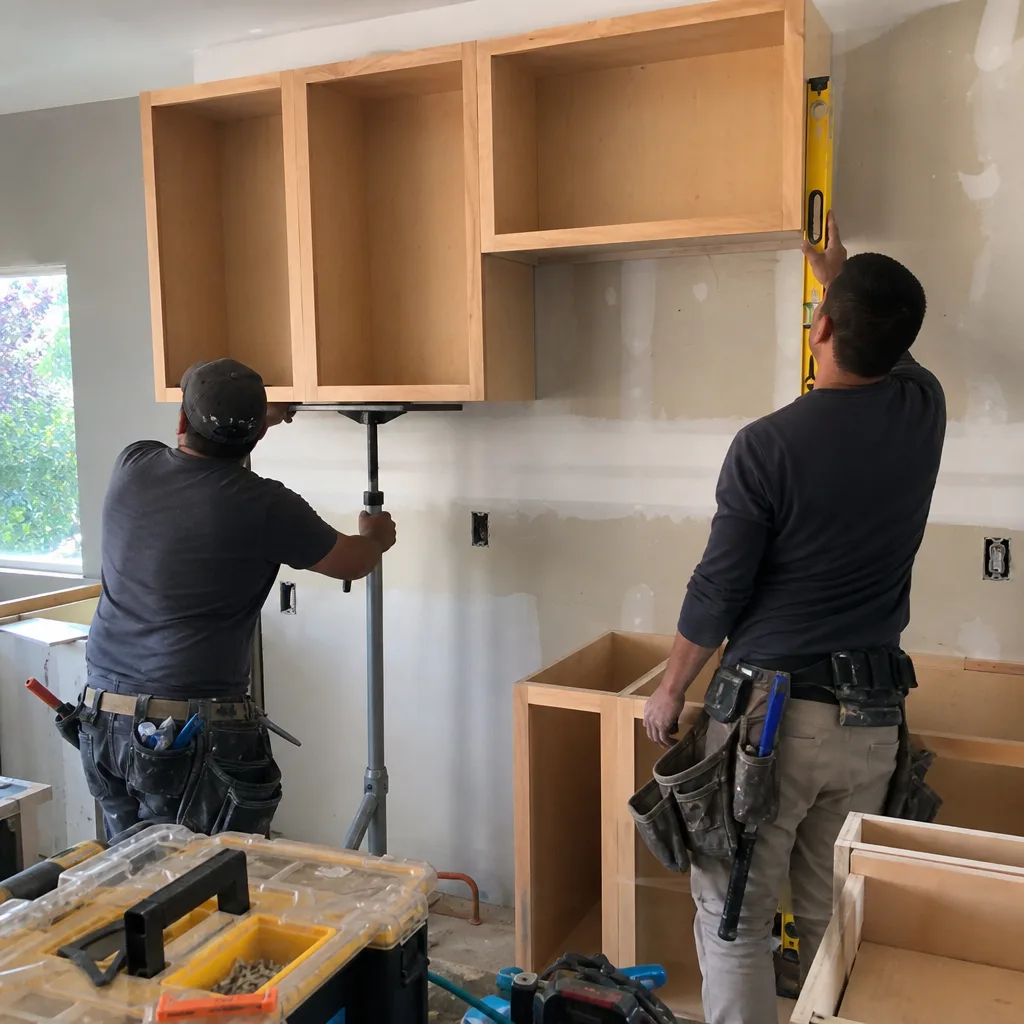
Most DIY decision frameworks ask “Can I do this?” The better question is “Should I do this, given my actual constraints?” We use three questions with homeowners who are considering self-performance on any portion of a project.
- What is my effective hourly rate, and does the time estimate include learning? A professional installs a prehung door in 45 minutes. A homeowner’s first attempt takes 3-5 hours, often with a trip to the hardware store for a tool or part not anticipated. If your professional hourly rate is $50 or higher, the DIY “savings” are often negative. In Chula Vista’s professional workforce, where median household income exceeds $92,000, this threshold is commonly crossed.
- What is the failure cost if I do this wrong, and who bears it? A failed tile backsplash costs $400 to remove and redo. A failed deck footing costs $8,000 to demolish and rebuild. A failed electrical connection can cost a home. The failure cost distribution is not linear; it clusters at the high end for structural, electrical, and plumbing work. The homeowner bears 100% of this cost; there is no warranty on self-performed work.
- How long will this actually take, and what else is displaced? DIY time estimates from online sources assume uninterrupted work, immediate material availability, and no discovery of hidden conditions. In Chula Vista’s supply environment, where specialty items often require ordering from San Diego or Los Angeles distributors, a “weekend project” frequently extends to three weekends. The displaced activity - family time, other home maintenance, professional obligations - has a cost that rarely appears in DIY math.
We do not discourage capable homeowners from appropriate self-performance. We do require honest answers to these three questions before we will recommend it. Under the Haven Standard, our obligation is to the project’s success, not to maximizing our labor hours.
The Hybrid Model: Reducing Cost Without Creating Liability
The most cost-effective approach we see in Chula Vista is not full DIY or full contractor. It is strategic separation: homeowner performs tasks that are low-liability, low-skill, and time-flexible; contractor performs tasks that are permit-required, warranty-backed, and failure-sensitive.
Tasks that homeowners can typically self-perform without legal or insurance exposure:
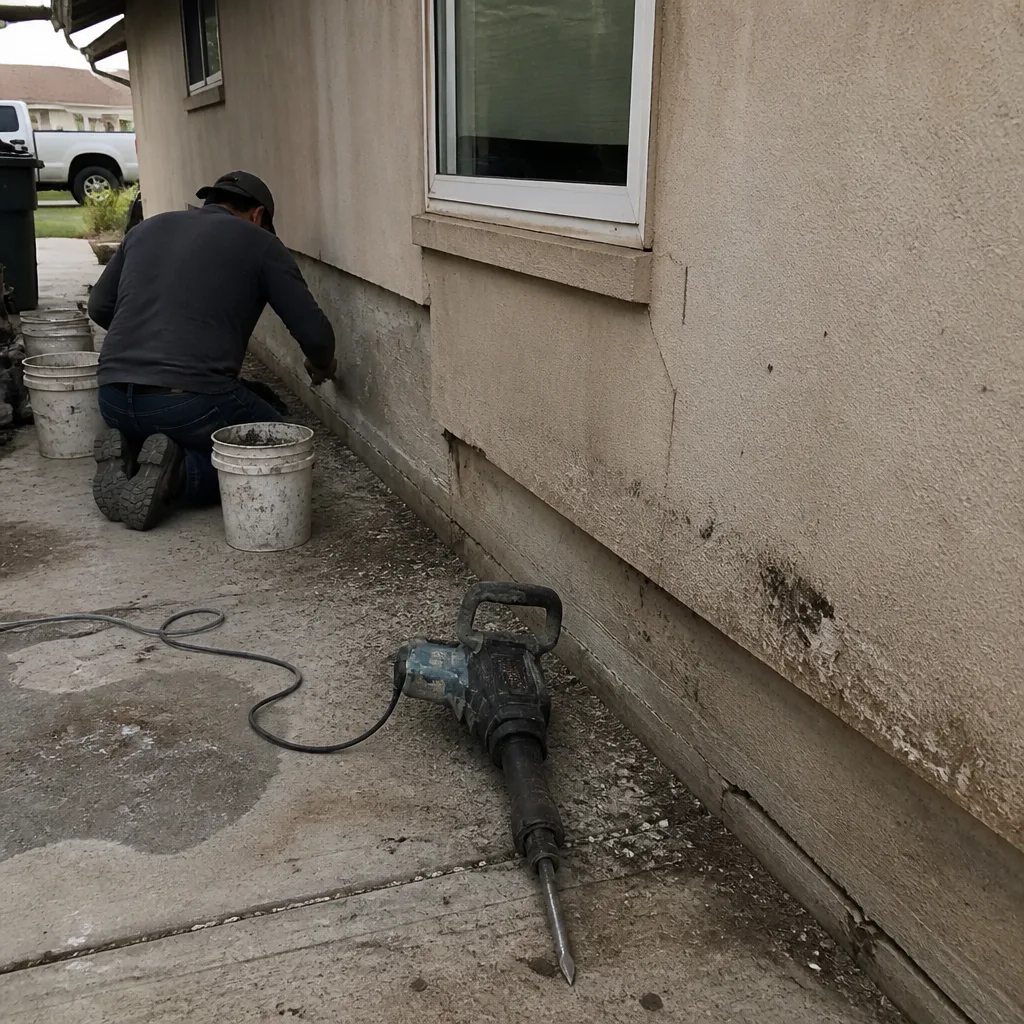
- Demolition of non-structural elements (cabinets, fixtures, flooring, drywall) with utility shutoffs verified
- Painting, including primer and finish coats, after proper surface prep
- Finish hardware installation (cabinet pulls, door handles, towel bars) on pre-drilled or professionally prepared surfaces
- Landscape preparation and grading for hardscape projects, within the scope defined by the contractor’s plan
Tasks that should remain professional for permit, warranty, or insurance reasons:
- Structural modifications, including wall removal and header installation
- Electical work beyond fixture replacement on existing boxes
- Plumbing modifications beyond fixture swap on existing stops
- Roofing, including underlayment and flashing
- Gas line work of any scope
- Concrete and paver base preparation for load-bearing surfaces
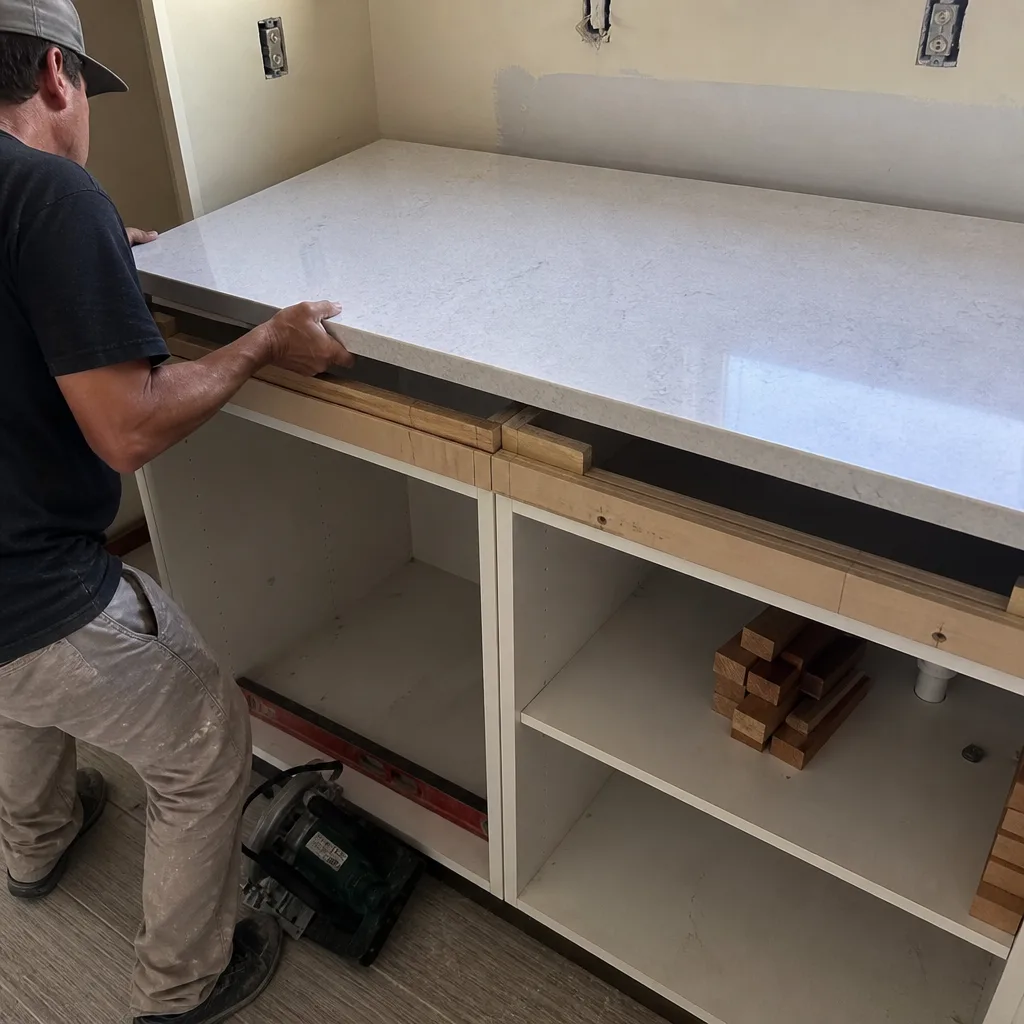
The hybrid model requires clear scope definition before work starts. We have executed hybrid Kitchen Remodeling in Chula Vista projects where the homeowner handled cabinet removal, wall painting, and hardware installation, while our crew managed electrical, plumbing, cabinet hanging, and countertop templating. The savings are real - typically 15-25% of labor cost - but only when the boundary is documented in the written scope before anyone picks up a tool. Under Clause 1 of the Haven Standard, that written scope is non-negotiable.
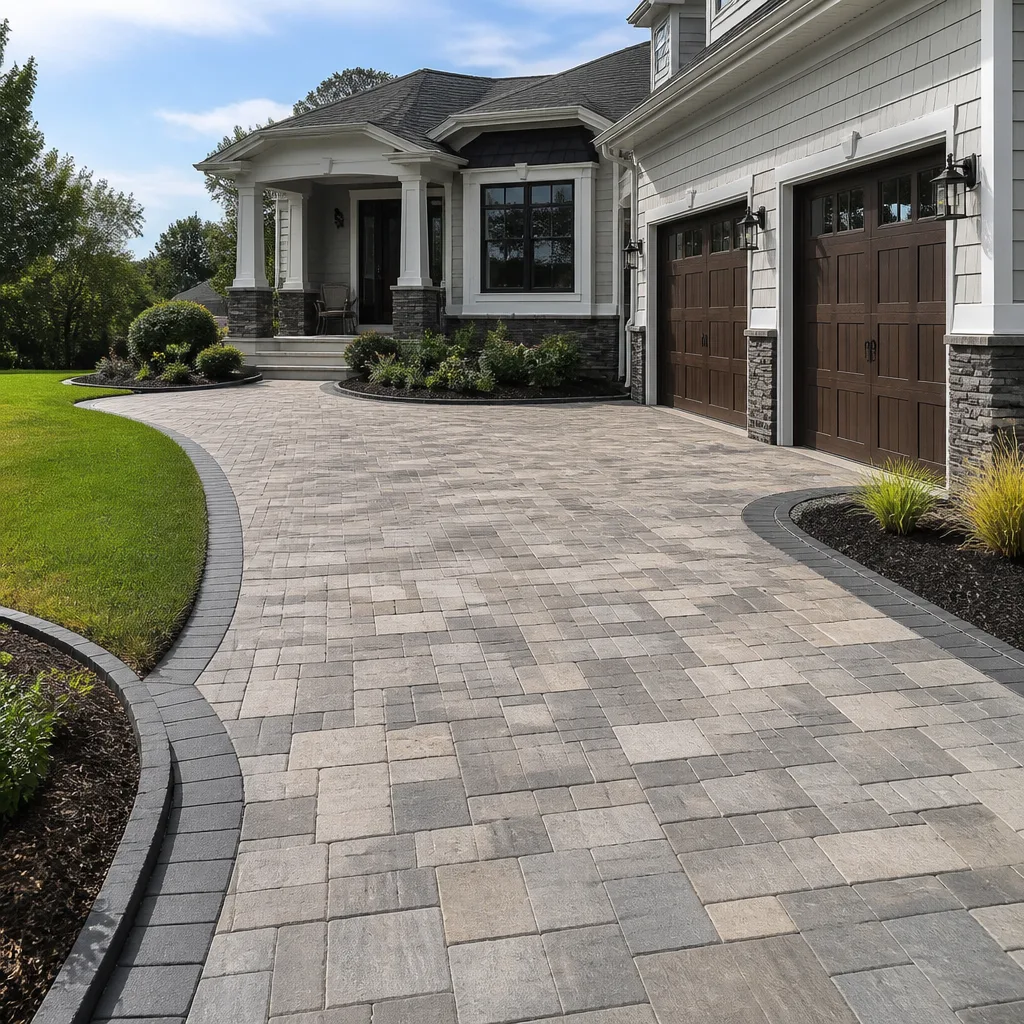
For paver and hardscape projects, we have worked with homeowners who prepared the excavation and sub-base to our specification, then stepped back for our crew to install Belgard or Techo-Bloc pavers on the compacted base with proper edge restraint. The homeowner’s labor reduced cost; our installation preserved the manufacturer’s warranty and our workmanship guarantee. This is the hybrid model functioning correctly.
Permits, Disclosure, and Resale: The Long-Term Math
California Civil Code Section 1102 requires sellers to disclose all material facts affecting property value. Self-performed construction work, whether permitted or not, is a material fact. The disclosure form specifically asks about work performed without permits.
The resale consequences fall into three categories:
- Permitted, owner-builder work: Disclose the permit number and completion date. Most buyers accept this with routine inspection. The risk is low if the work passed inspection and the permit was properly closed.
- Unpermitted, owner-performed work: Disclose the work and its unpermitted status. The buyer’s lender may require permit retroactivity, which involves submitting as-built plans, paying fees, and opening walls for inspection. Cost in Chula Vista typically runs $2,000-$5,000 plus repair of inspection openings. The buyer may negotiate a credit or walk away.
- Unpermitted, unlicensed contractor work: The worst category. California law prohibits unlicensed contractors from jobs over $500. Work performed by an unlicensed person creates liability for the homeowner who hired them, and must be disclosed. Remediation often requires complete removal and professional replacement.
The two-year rule mentioned in our opening deserves expansion. If you sell within two years of owner-builder work, the buyer’s lender may classify the property as “flipped” and require additional inspections or contractor sign-offs. This is particularly relevant in Chula Vista’s active market, where job transfers to San Diego’s tech and biotech sectors frequently trigger moves within 18-24 months of purchase.
We have provided sign-off documentation for previous owner-builder work on three occasions in the past five years. In each case, the homeowner’s “savings” from self-performance were consumed by the sign-off fee, the inspection reopening, and the schedule delay at escrow. The work itself was competent; the documentation gap was expensive.
Common Mistakes to Avoid
- Assuming the homeowner-builder exemption covers all trades. It does not cover electrical service entrance, gas lines, or asbestos abatement. Attempting these as an owner-builder violates California law regardless of occupancy status.
- Pulling a permit for “repair” when the scope is actually “alteration.” Chula Vista building inspectors regularly red-tag projects where the permit application understates the scope. A “water heater replacement” that includes relocating the unit requires an alteration permit with updated seismic strapping and venting plans.
- Using online cost estimators that assume national averages. San Diego County’s material costs run 12-18% above national median, and Chula Vista’s contractor labor rates reflect California’s workers’ compensation and licensing requirements. A “$500 bathroom update” from a national blog is not achievable here.
- Ignoring the homeowners’ association in planned communities. Eastlake, Otay Ranch, and Rolling Hills Ranch all have design review requirements for exterior modifications. A permitted project can still violate CC&Rs, and the HOA has enforcement authority independent of the city.
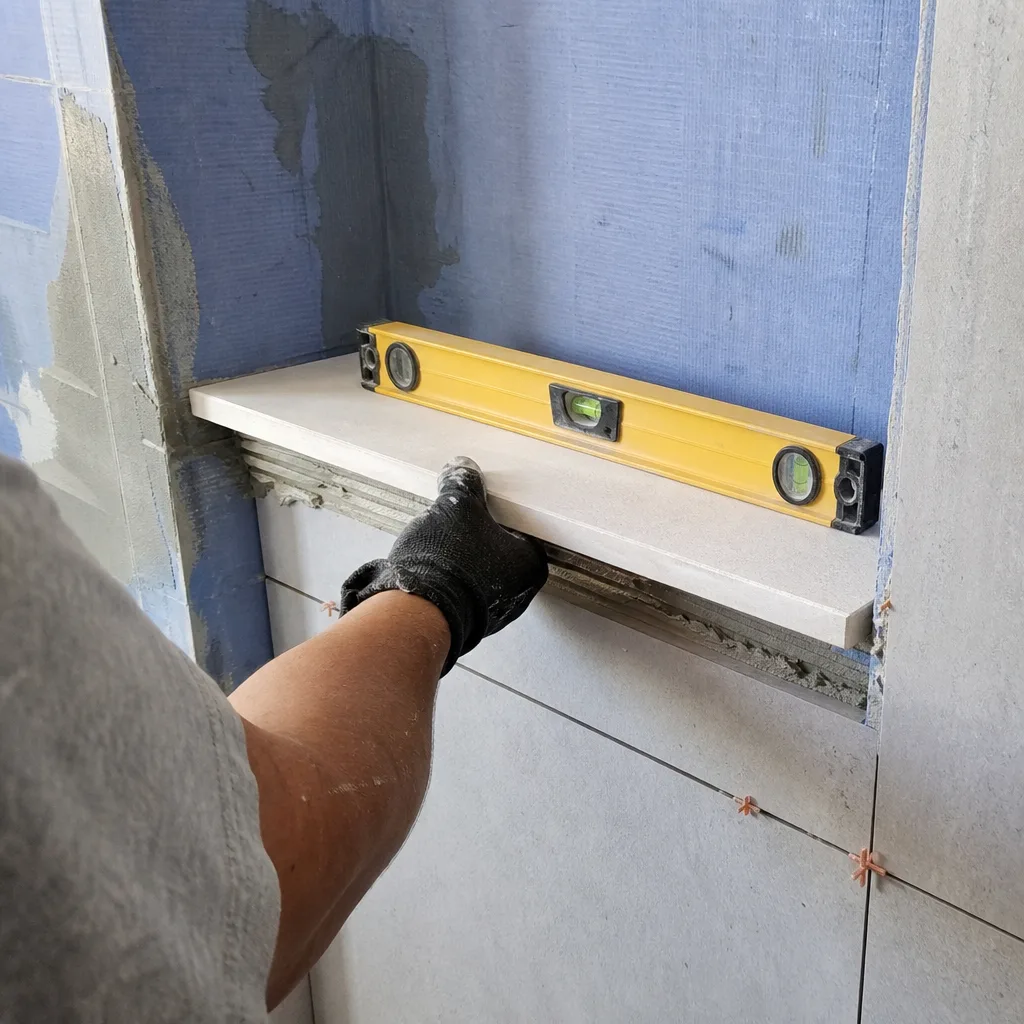
- Skipping the moisture barrier in bathroom and kitchen work. Chula Vista’s coastal influence creates higher interior humidity than inland areas. DIY tile work without proper waterproofing membrane (Schluter-Kerdi, RedGard, or equivalent) fails within 3-5 years. We have removed four such installations in the past two years.
- Mixing professional and DIY work without scope documentation. When a warranty issue arises, the contractor and homeowner dispute whether the defect is in the professional work or the self-performed portion. Written scope boundaries prevent this; their absence guarantees it.
- Failing to verify that “licensed” means CSLB-active. California contractors can hold a license in “suspended” status. Always verify at cslb.ca.gov before hiring, even for a small job. We have encountered homeowners who paid a “licensed” contractor whose bond had lapsed, leaving them without recourse.
When to Call a Professional
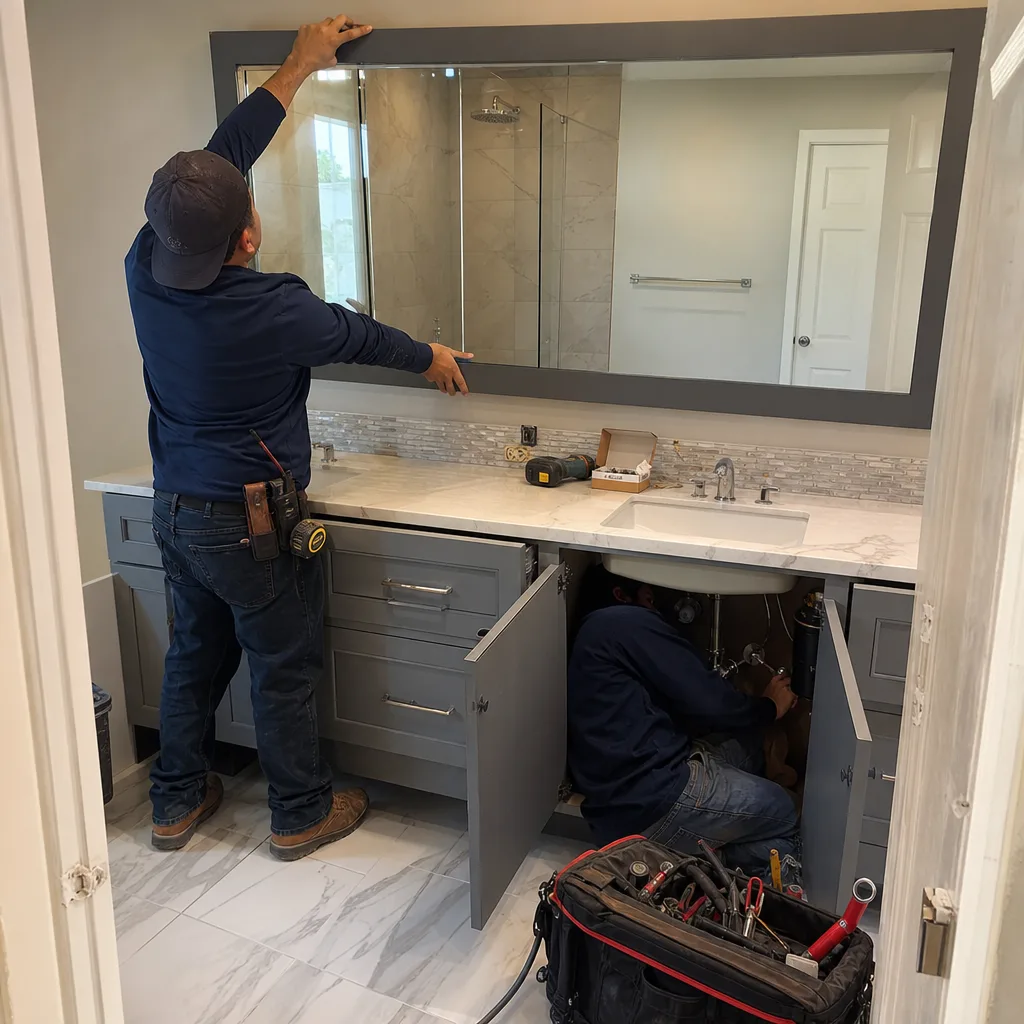
Call a licensed contractor when the work involves structural modification, electrical or plumbing systems, roofing, gas lines, or any project requiring a permit that you are not prepared to manage through inspection completion. Call when the failure cost exceeds your comfort with self-insurance. Call when your time has higher value than the labor savings. Call when you need warranty protection and documented evidence for a future sale or insurance claim.
Rowan Construction Group Chula Vista offers free estimates in Chula Vista - call (619) 536-0571. Browse our more guides & resources for additional homeowner guidance. We will review your project scope, identify what you can legally and practically self-perform, and provide a written price before any work starts. If you have a competitor’s estimate, we offer a free second opinion, line by line, at no charge. Under the Haven Standard, the price we write is the price you pay, within a few percent, because no change proceeds without a signed change order.
Frequently Asked Questions
A professional kitchen remodel in Chula Vista typically ranges from $35,000 for a minor update with stock cabinetry to $85,000-plus for a full reconfiguration with custom elements. After completion, follow our Kitchen Remodeling Maintenance Checklist for Chula Vista Homeowners to protect your investment. DIY material costs for the same scope run $18,000-$35,000, but this assumes the homeowner provides all labor, manages all permits, and encounters no hidden conditions. Most Chula Vista homeowners who attempt full DIY kitchen remodels underestimate electrical and plumbing complexity; we have been called in to complete partially abandoned projects where the “savings” were already spent on duplicate materials and emergency contractor calls. Call (619) 536-0571 for a written estimate on your specific scope - estimates are free.
Yes, on your owner-occupied primary residence under the homeowner-builder exemption. However, the exemption does not cover electrical service entrance work (the connection from the utility pole to your meter), which must be performed by a C-10 licensed contractor. For all other electrical work you self-permit, you are personally liable for code compliance and inspection passage. Chula Vista building inspectors will hold you to the same standard as a licensed electrician. If you are not confident in your knowledge of AFCI/GFCI requirements, box fill calculations, and grounding methods, the permit eligibility does not make the work advisable.
Yes. California requires disclosure of all unpermitted work on the Transfer Disclosure Statement. In Chula Vista’s competitive market, buyers and their lenders increasingly require permit verification for any work done within the past ten years. Unpermitted work does not automatically kill a sale, but it typically triggers a credit negotiation of $5,000-$15,000 or a requirement that the seller obtain retroactive permits before close. The cost and delay often exceed what proper permitting would have cost originally.
Demolition of non-structural elements, painting, and finish hardware installation are low-risk homeowner tasks. Leave plumbing rough-in, electrical, waterproofing, and tile setting to professionals if you want warranty protection and code compliance. In Chula Vista’s hard water environment, proper waterproofing membrane installation (flood testing to code, not just visual inspection) is critical; we have replaced three DIY shower installations in the past two years where moisture intrusion damaged subfloors. For Bathroom Remodeling in Chula Vista, we can scope the hybrid boundary in your written estimate.
Yes. Roof replacement requires a building permit in Chula Vista regardless of who performs the work. The permit application must include the roofing material specification, underlayment type, and fastening schedule. San Diego County’s wind exposure zone requirements apply, and in Very High Fire Hazard Severity Zones, Class A fire-rated materials are required. A homeowner-builder can pull this permit, but the inspection sequence - tear-off inspection, dry-in inspection, final - is identical to contractor-performed work. We have re-roofed homes where the homeowner’s self-permitted project failed the dry-in inspection due to inadequate valley flashing, requiring complete rework of completed sections.
No work proceeds on a change until the change order is signed. This is Clause 1 discipline from the Haven Standard, and it is why our projects finish within a few percent of the agreed price across 4,000-plus jobs. The change order is a written document with a specific price for the specific scope change, signed by both parties before any additional work begins. There are no verbal authorizations, no “we’ll figure it out later,” and no surprise invoices. If you bring us a competitor’s quote, we will review it line by line in a free second opinion and identify where scope gaps or contingency omissions may create future change orders.
The Bottom Line
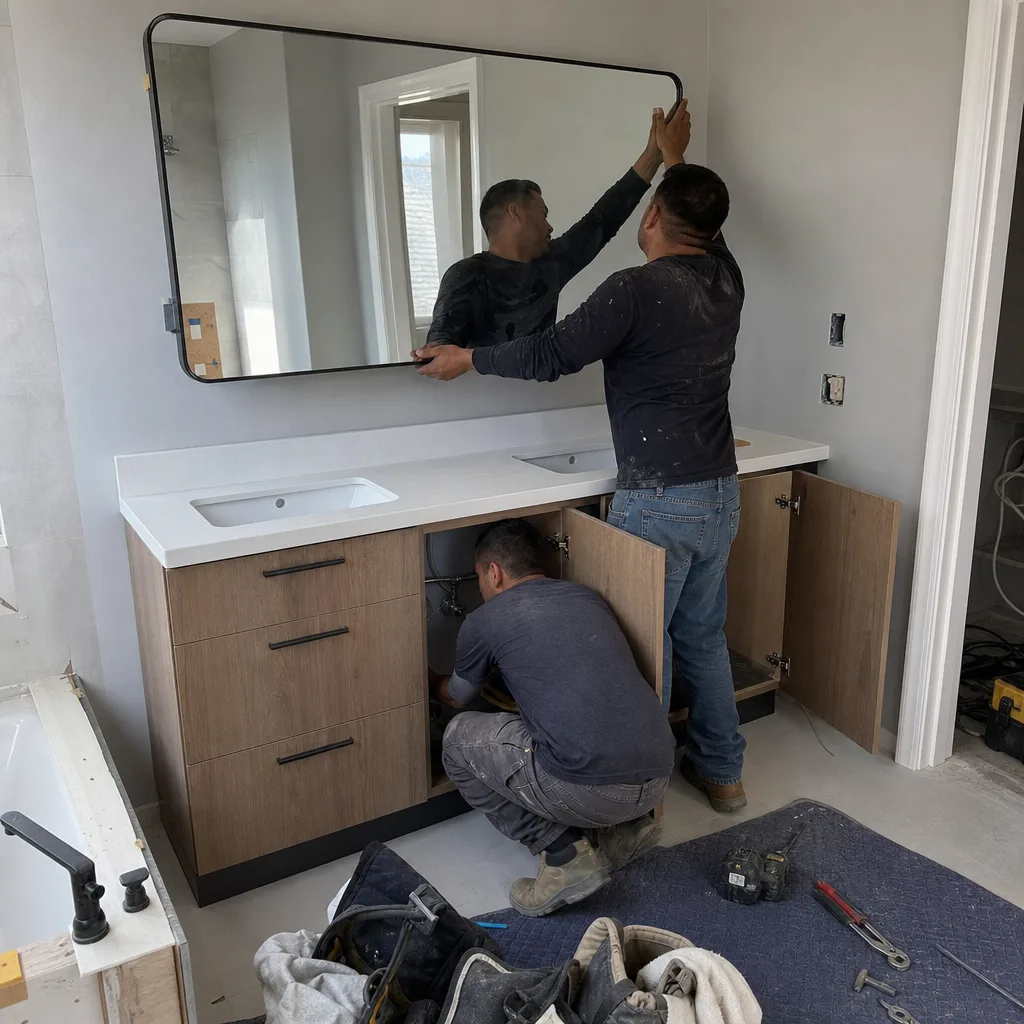
DIY construction in Chula Vista is legally permitted for homeowners on their primary residence, but the exemption is narrower than commonly understood and the downstream costs are higher than typically calculated. The projects where DIY genuinely saves money are limited to low-failure-cost, non-permitted tasks: painting, hardware installation, and limited demolition. For structural, electrical, plumbing, and roofing work, the legal restrictions, insurance implications, and resale documentation requirements make professional engagement the lower-total-cost choice for most homeowners. The hybrid model offers the best balance: homeowner labor on appropriate tasks, contractor responsibility on permitted trades, with a written scope boundary that protects both parties. Whatever your project’s scale, verify your legal authority, calculate your true time and failure costs, and get the permit status right before you start. The expense of fixing a DIY mistake at resale always exceeds the cost of doing it correctly the first time.
Written by Grant Rowan, Owner at Rowan Construction Group Chula Vista, serving Chula Vista since 2007.