
Last updated September 25, 2026
Free written scope consultation - allowances, timeline, and change-order rules on paper before a single trade is scheduled







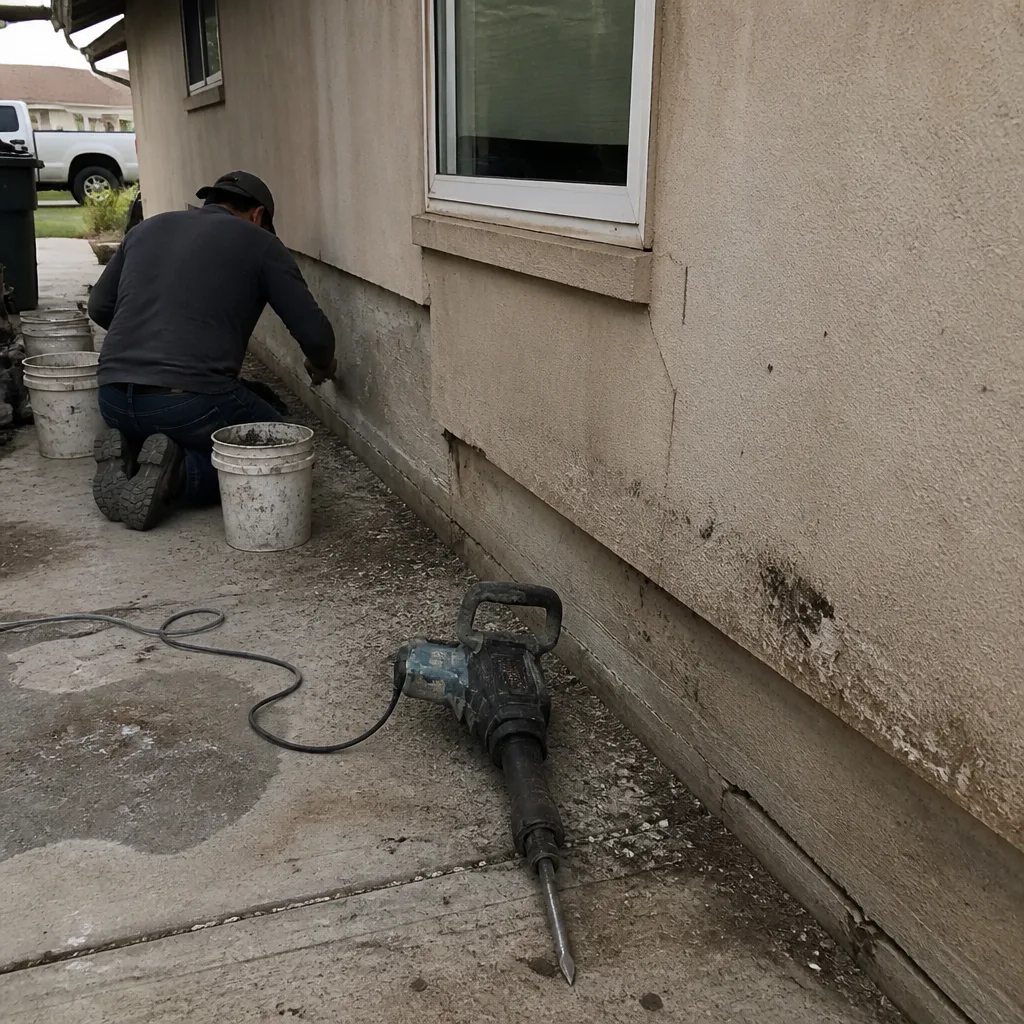 Before
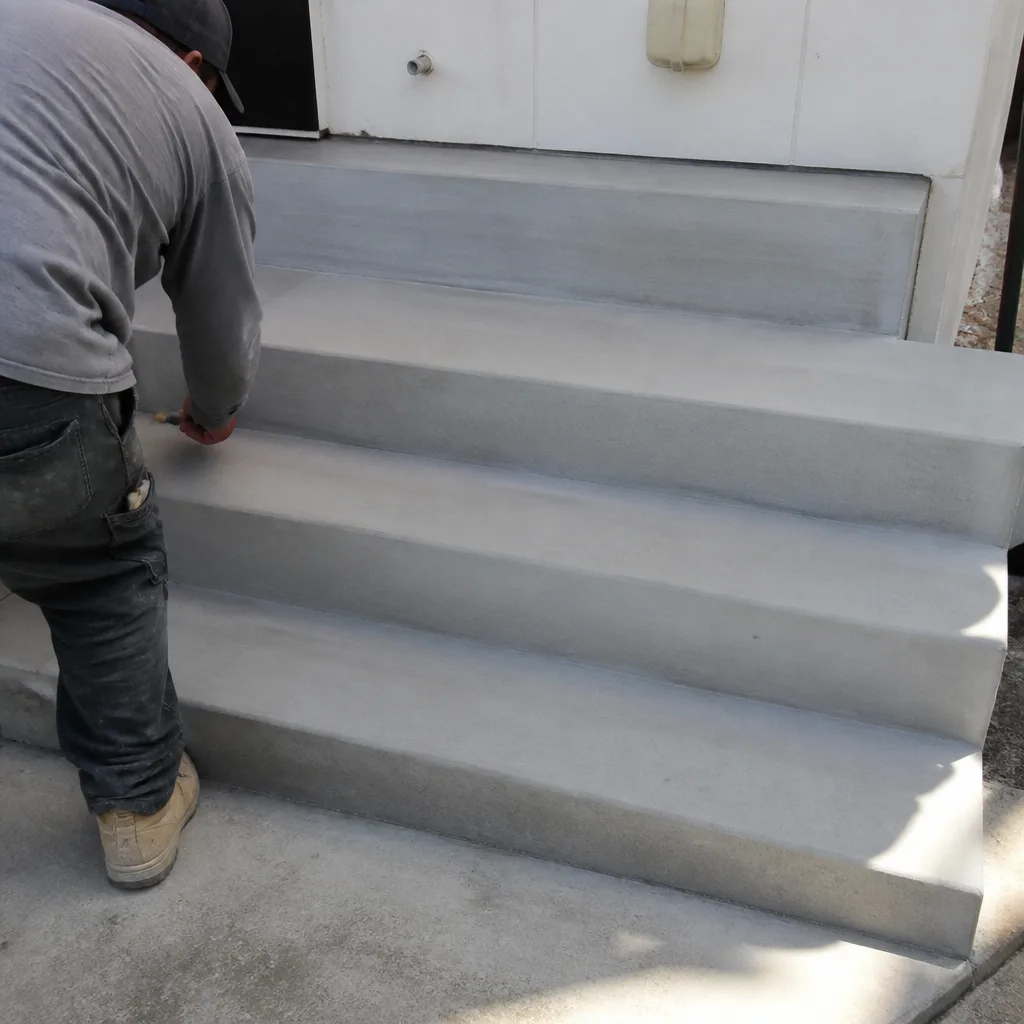 After
After Before
 After
After Before
 After
AfterConstruction Warning Signs: A Chula Vista Homeowner’s Reference Guide
A diagonal crack running from the corner of a window or door frame toward the ceiling is not a settling crack. It is a shear stress indicator, and in Chula Vista’s expansive soil zones, it is frequently the first visible sign of foundation movement that, left for two years, costs $15,000 to $60,000 to correct. Most structural and moisture problems in Chula Vista homes give visible signals 12 to 24 months before they require emergency repair. The gap between early warning and expensive failure is knowing what those signals look like, which trade needs to respond, and what early intervention costs compared to deferred repair. This guide describes each warning sign in plain physical terms, pairs it with the likely cause, and gives the cost range for early versus late intervention, and you can find more guides & resources in our blog.
Quick Answer
The most critical construction warning signs in Chula Vista homes are diagonal cracks wider than 3 millimeters at door and window corners, efflorescence or paint bubbling on stucco below 18 inches from grade, granule loss patterns on asphalt shingles visible from the ground, and circuit breakers that trip more than twice monthly under normal load. Each indicates a specific subsystem failure - foundation shear, moisture intrusion at the base plate, roof membrane degradation, or overloaded electrical branch circuits - that costs $800 to $4,500 to address at first detection versus $8,000 to $60,000 after water entry or structural movement progresses.
Table of Contents
- Crack Taxonomy: Reading Your Walls in Millimeters
- Moisture Intrusion Signals Specific to Chula Vista Construction
- Roof Warning Signs Visible From the Ground
- Electrical and HVAC Warning Signs for Non-Contractors
- Identifying Unpermitted Work by Visual Markers
- Early Detection vs. Late Repair: Cost Comparison
- Common Mistakes to Avoid
- When to Call a Professional
- Frequently Asked Questions
 Before
 After
AfterCrack Taxonomy: Reading Your Walls in Millimeters
Not every crack in drywall or stucco demands immediate action. The critical distinction is geometry, width, and location - and in Chula Vista, the distinction matters more than in most California markets because of the expansive clay soils in neighborhoods from Otay Ranch to Eastlake and the fill soils common in older central Chula Vista construction.
Hairline Cracks (Under 1 Millimeter)
Hairline cracks, defined as those into which a standard credit card edge will not insert, are typically thermal or hygrometric movement - expansion and contraction from temperature and humidity cycles. In Chula Vista’s mild coastal climate, these appear seasonally along tape joints in drywall, particularly where ceiling meets wall in homes built between 1960 and 1990 with minimal insulation in the attic plane. They are cosmetic. Repair costs $200 to $400 for joint retaping and texture matching.
Vertical Cracks (1-3 Millimeters)
Vertical cracks running through drywall or stucco, straight or slightly stair-stepped along framing members, indicate differential settlement - one portion of the foundation has dropped relative to another. In Chula Vista, this pattern commonly appears in homes on the west side near the bay where liquefiable soils were not fully compacted during original grading, and in Eastlake Hills where cut-and-fill lots create variable bearing conditions. At 1-3 millimeters, the repair typically involves epoxy injection of the foundation crack and cosmetic wall repair: $2,500 to $5,500.
Diagonal Cracks (Over 2 Millimeters, at Openings)
The critical pattern: a crack initiating at the corner of a window or door frame and running diagonally toward the ceiling at 30 to 60 degrees. This is shear stress from foundation rotation or lateral movement, not settlement. The frame itself is often out of square - the door sticks in summer or the window latch misaligns. In Chula Vista’s expansive soils, this pattern accelerates during drought-followed-by-heavy-rain cycles, which have become more pronounced in recent years. Early intervention with helical piers or push piers, plus structural repair of the affected wall, runs $8,000 to $15,000. After two years of progression, with floor slope exceeding 1 inch in 20 feet and secondary cracks propagating, costs reach $25,000 to $60,000 for full foundation stabilization, floor leveling, and interior repair.
Horizontal Cracks (Any Width)
Horizontal cracks in concrete stem walls or below-grade stucco indicate lateral pressure - hydrostatic pressure from groundwater, or expansive soil pressure against the wall. In Chula Vista’s older neighborhoods near Telegraph Canyon and the canyons feeding into Sweetwater Reservoir, seasonal groundwater fluctuation creates this pattern. Any horizontal crack warrants immediate evaluation. Early repair with exterior waterproofing membrane and drainage correction: $6,000 to $12,000. Delayed repair with wall reconstruction: $15,000 to $35,000.
How to Measure
- Clean the crack surface with a dry brush to remove loose material.
- Hold a standard credit card edge perpendicular to the crack - if it inserts, the crack exceeds 0.76 millimeters.
- For width reference, a standard pencil lead is 2 millimeters; a wooden pencil is 7 to 8 millimeters.
- Photograph with a ruler or coin for scale, noting date and location.
- Monitor monthly during seasonal change; progression of 1 millimeter or more in 90 days indicates active movement.
This documented photo record is the same standard deliverable we provide on every Rowan Construction Group Chula Vista home evaluation - evidence the homeowner keeps, not a report that disappears with the estimator.
Moisture Intrusion Signals Specific to Chula Vista Construction
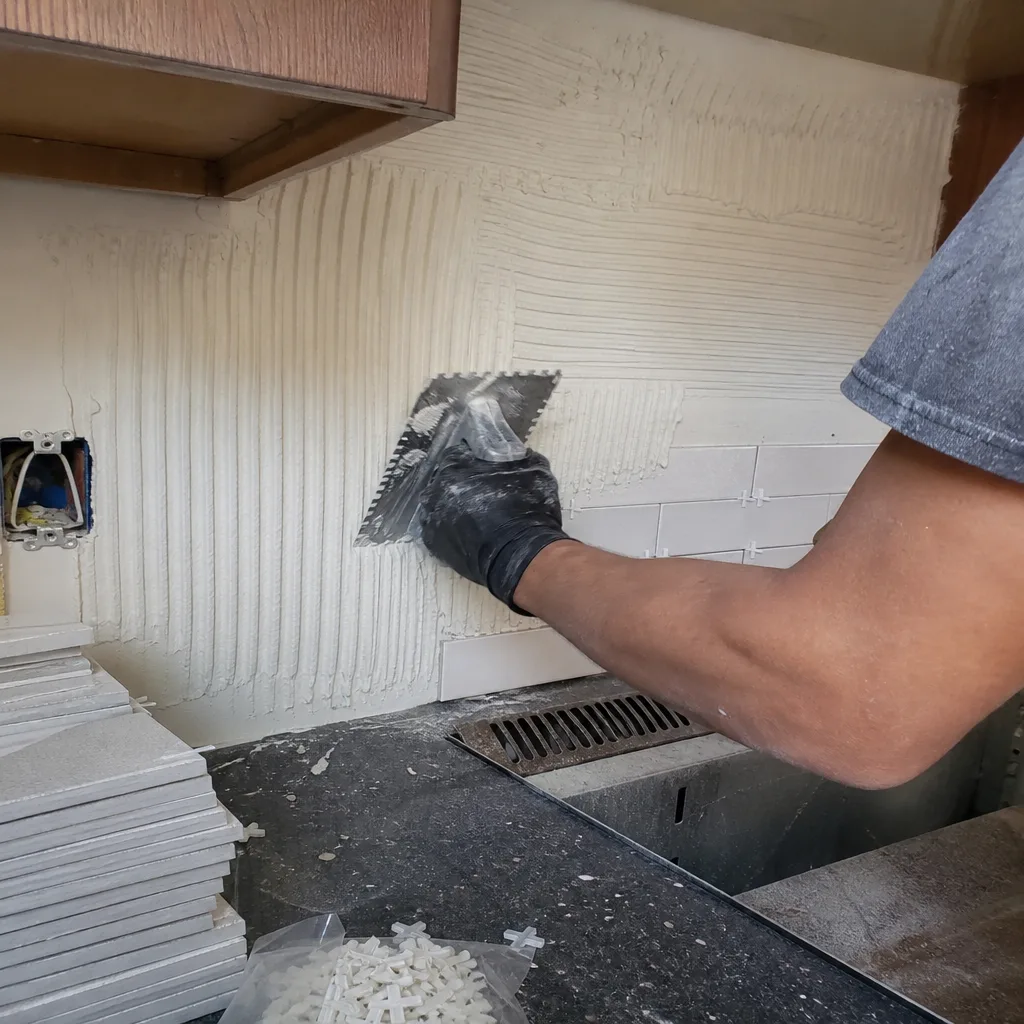
Chula Vista’s construction stock spans stucco-over-frame from the 1960s through 1990s, stucco-over-OSB from the 1990s through 2000s, and newer stucco-over-drainage-plane assemblies. Each era fails differently, and the warning signs are specific to the assembly type and the local climate pattern - marine layer moisture, Santa Ana dry-down, and occasional intense winter storms that test flashing details never designed for them.
Efflorescence on Stucco
Efflorescence is the white, powdery deposit of soluble salts left when water migrates through masonry or stucco and evaporates at the surface. In Chula Vista, it appears most commonly:
- Below grade, on stem walls and the first 12 to 18 inches of stucco, indicating failed or absent dampproofing and positive drainage toward the foundation
- At window sills and heads, indicating failed flashing or sealant joints that have hardened and cracked in UV exposure
- At deck-to-wall junctions, where ledger flashing was omitted or improperly lapped in 1970s through 1990s construction
Early-stage efflorescence with no substrate softening: $1,200 to $3,500 for drainage correction, sealant replacement, and cosmetic repair. Once the paper-backed lath behind stucco has degraded and OSB sheathing shows delamination, repair requires stucco removal, sheathing replacement, weather-resistive barrier installation, and restucco: $8,000 to $18,000 depending on wall area.
Paint Bubbling at Base Plates
Interior paint bubbling or discoloration at the base of walls, particularly in carpeted rooms where moisture wicks and evaporates slowly, indicates liquid water at the sill plate or bottom plate. In Chula Vista’s canyon-adjacent homes and those with original concrete slab construction without underslab vapor barrier, this pattern often correlates with seasonal groundwater rise. The musty odor that accompanies it is frequently misattributed to “old house smell” rather than active fungal growth on wood framing.
Detection with moisture meters and thermal imaging, plus localized drying and repair: $2,500 to $5,000. Full perimeter interior drainage system with sump pump, plus wall reconstruction: $12,000 to $25,000.
Musty Odor Pattern Mapping
Homeowners often describe a musty odor without visible water. The source location determines the trade and the cost:
| Odor Pattern | Likely Source | Detection Method | Early Repair Cost |
|---|---|---|---|
| Concentrated at floor level, worse in morning | Crawl space vapor barrier failure or standing water | Visual inspection of crawl space; moisture meter on subfloor | $1,500-$4,000 for vapor barrier replacement and drainage correction |
| Localized to one wall, worse after rain | Wall cavity moisture from failed flashing or irrigation overspray | Infrared thermography, selective probe testing | $2,000-$6,000 for exterior repair and interior drying |
| Whole-house, worse with HVAC operation | Condensate pan or drain line contamination; duct leakage from unconditioned space | HVAC inspection, duct pressure testing | $800-$3,500 for cleaning, repair, or duct sealing |
| Bathroom-specific, persistent after cleaning | Failed shower pan membrane or deteriorated grout allowing substrate saturation | Flood test of shower pan; moisture probe of adjacent walls | $3,500-$8,000 for Bathroom Remodeling in Chula Vista with full waterproofing |
In our experience across 4,000-plus projects, the homeowners who catch moisture problems at the efflorescence stage spend 60 to 70 percent less than those who wait for visible interior damage. The photo record we deliver on every evaluation documents these early-stage conditions so the progression is visible, not debated.
Roof Warning Signs Visible From the Ground
Roof evaluation from the ground is limited but not useless. In Chula Vista’s climate - moderate temperatures but intense UV exposure and occasional Santa Ana wind events - asphalt shingle roofs degrade predictably, and the early signs are visible without ladder access. Tile roofs, common in Spanish-influenced Chula Vista architecture from the 1980s forward, show different patterns.
Asphalt Shingle: Granule Loss Patterns
Granule loss is normal in the first two years after installation as excess granules shed. After that, accelerated granule loss indicates UV degradation of the asphalt binder. From the ground, look for:
- Dark patches where the underlying asphalt is exposed, often in the field of the roof on south and west exposures where UV is most intense
- Granule accumulation in gutters and downspout outlets - a quarter-inch layer in gutters indicates significant loss
- Uniform color fading to gray, indicating advanced oxidation of the asphalt mat
Granule loss with intact mat: $4,500 to $8,500 for overlay or replacement depending on roof area and pitch. Granule loss with exposed mat and curling: replacement required, $8,000 to $18,000 for typical Chula Vista single-story homes; two-story or complex rooflines with multiple valleys add 25 to 40 percent.
Fascia and Soffit Discoloration
Staining or darkening of the fascia board (the vertical board at the roof edge) and soffit (the horizontal surface beneath the overhang) indicates water overflow from gutters or ice damming - rare in Chula Vista but replaced by debris damming in Eucalyptus and Canary Island pine canopies common in older neighborhoods. More critically, it indicates failed drip edge or gutter apron flashing, allowing water to run behind the gutter and saturate the fascia.
Early repair: gutter cleaning, realignment, and flashing correction, $400 to $1,200. Deferred repair with fascia rot and soffit degradation: $2,500 to $5,500 for Roofing in Chula Vista edge detail reconstruction.
Sagging Ridge Line
The ridge line should be straight within visual tolerance. A visible sag indicates rafter spread, ridge beam failure, or inadequate structural support - common in Chula Vista homes with original 2×4 rafter construction and heavy composite shingle upgrades installed without structural verification. This is not a roofing problem alone; it is a structural problem that manifests at the roof.
Early detection with sistered rafters and ridge reinforcement: $3,500 to $7,500. Progressive failure with ceiling drywall cracking and potential roof collapse: $10,000 to $25,000 for structural repair plus roof replacement.
Tile Roof: Specific Indicators
Cement tile roofs, prevalent in Chula Vista’s Eastlake and Rancho Del Rey developments, show different failure modes:
- Broken or slipped tiles at valleys and hips, visible as gaps in the pattern - often from foot traffic during satellite dish or solar installation
- Efflorescence on tile surface, indicating water absorption through cracked glaze or porous body
- Exposed underlayment at tile edges, indicating the mortar or foam adhesive has released
Tile repair with underlayment preservation: $1,500 to $4,000. Tile repair with underlayment replacement (required after 20 to 25 years in Chula Vista’s UV climate): $8,000 to $15,000 for removal, underlayment replacement, and reinstall.
Electrical and HVAC Warning Signs for Non-Contractors
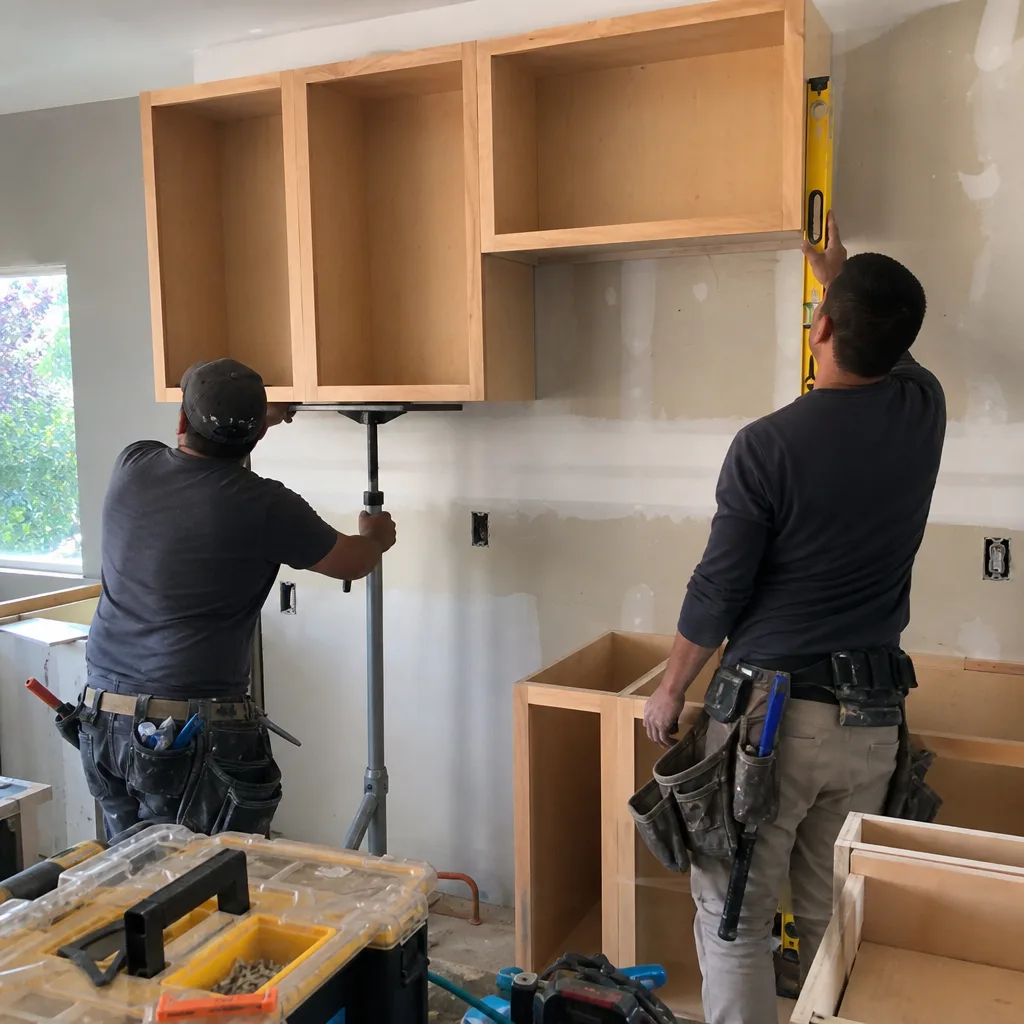
Some electrical and mechanical conditions produce observable signals that do not require a license to recognize, though they do require a license to correct. The homeowner’s role is detection and documentation, not diagnosis or repair.
Electrical: Breaker Trip Frequency
A circuit breaker that trips more than twice in a 30-day period under normal load indicates an overloaded branch circuit, a failing breaker, or a ground fault. In Chula Vista homes with original 100-amp service and modern appliance loads - particularly post-2015 kitchen and laundry upgrades, which our Kitchen Remodeling Maintenance Checklist for Chula Vista Homeowners can help you plan - overloaded circuits are common. The warning sign is the trip frequency, not the inconvenience of resetting.
Critical distinction: if the breaker trips immediately upon reset, or if multiple breakers trip simultaneously, or if you detect burning odor or buzzing at the panel, de-energize the circuit at the panel and call a licensed electrician. This is not a maintenance item; it is a fire safety condition.
Service upgrade from 100A to 200A with panel replacement: $3,500 to $6,500. Circuit addition for dedicated appliance loads: $800 to $2,200. Electrical fire with structural damage: not a relevant comparison; the condition must not progress to this stage.
The GFI Test Homeowners Skip
Ground Fault Circuit Interrupter (GFI) outlets, required in bathrooms, kitchens, garages, and exterior locations since 1971 with progressive expansion, have a test button that should be pressed monthly. In our field observations, fewer than 10 percent of Chula Vista homeowners have tested their GFI outlets in the past year. A non-responsive test button - no click, no trip - indicates a failed device that provides no ground fault protection. Replacement: $150 to $350 per outlet including proper grounding verification.
HVAC: Condensate Pan Water
Central air conditioning in Chula Vista produces significant condensate during humid periods, particularly in homes near the bay where marine layer moisture is highest. The condensate pan beneath the indoor evaporator coil should be dry between cooling cycles; water visible in the pan continuously indicates:
- Clogged condensate drain line - common where algae colonizes the line in warm, dark conditions
- Cracked condensate pan - common in furnaces and air handlers over 15 years old
- Improper evaporator coil installation with inadequate slope for drainage
Drain line cleaning or pan replacement: $200 to $600. Water damage to ceiling or framing below the air handler, plus mold remediation: $3,000 to $8,000. In Kitchen Remodeling in Chula Vista projects where we relocate or replace HVAC equipment, we document the condensate management as a standard item in the written scope - Clause 1 of the Haven Standard requires the full system be described, not just the visible finishes.
HVAC: Short Cycling and Temperature Stratification
Short cycling - the system turns on and off frequently without reaching set temperature - indicates oversized equipment, restricted airflow from dirty filters or duct collapse, or failing compressor. Temperature stratification - significant temperature difference between rooms on the same system - indicates duct leakage, inadequate return air, or insulation failure. In Chula Vista’s mixed coastal-inland climate zone, equipment is frequently oversized for the mild design conditions, and short cycling accelerates compressor wear while failing to dehumidify adequately.
Duct sealing and airflow correction: $1,500 to $4,000. Compressor replacement due to short cycling damage: $3,500 to $7,500. Right-sized replacement with proper load calculation: $6,000 to $12,000.
Identifying Unpermitted Work by Visual Markers
Unpermitted construction is not merely a disclosure problem at sale; it is often a quality problem that produces warning signs the current homeowner inherits. In Chula Vista, permit records are searchable through the city’s online portal, and physical inspection can reveal work that was never submitted for inspection - a risk you can avoid by following our How to Hire a Construction Contractor in Chula Vista: A Step-by-Step Guide. The visual markers are specific to each trade.
Kitchen and Bathroom: Plumbing Markers
Unpermitted plumbing frequently lacks proper venting, producing slow drains and gurgling fixtures that seem like minor annoyances. The visual marker: a kitchen or bathroom sink with no visible vent pipe in the wall cabinet, or a wet vent configuration that does not meet current code. In Chula Vista’s pre-1990 housing stock, unpermitted kitchen expansions into garages or additions often used horizontal drain runs without proper slope, producing chronic clogging. The repair requires opening walls to install proper venting: $2,500 to $6,500 for Kitchen Remodeling in Chula Vista with code-compliant plumbing.
Electrical: Panel and Junction Markers
Unpermitted electrical work reveals itself in the panel and in junction access. Markers include:
- Wire nuts visible in attic or crawl space without junction box enclosure - a code violation and fire hazard
- Circuits added to the panel with handwritten or unmarked breaker labels
- Romex cable run exposed on wall surfaces in garages or basements, not in conduit where required
- Three-prong outlets with no equipment ground, often indicated by open ground readings on outlet testers
Correction requires permit application, inspection, and often full circuit replacement: $2,000 to $7,500 depending on scope.
Structural and Addition Markers
Unpermitted room additions or garage conversions lack the structural details that permitted work requires: bolted mudsills, hold-down anchors at shear wall panels, proper foundation depth and reinforcement. The visual marker is often irregular floor levels, walls that do not align with foundation perimeter, or windows and doors with non-standard rough openings that suggest field modification of a standard plan. In Chula Vista’s hillside zones, unpermitted additions frequently lack retaining walls or proper drainage that permitted work would require, producing the moisture and crack patterns described in earlier sections.
The correction path: consult the Chula Vista Development Services Department for permit history, engage a structural engineer for as-built evaluation if no permit exists, and pursue a retroactive permit with required corrections - or prevent this entirely by reading our DIY vs Professional Construction: The Chula Vista Homeowner’s Decision Guide. Engineering and permit costs: $3,500 to $8,000. Required structural corrections: variable, often $10,000 to $40,000. This is not a Rowan Construction Group recommendation to avoid permits; our standing practice is permits pulled and inspections passed on every project, with the permit number documented in the customer’s file.
Disclosure and Sale Implications
California Civil Code Section 1102 requires disclosure of unpermitted work. The penalty for non-disclosure is not merely the repair cost; it is potential rescission of sale and liability for misrepresentation. For homeowners who discover unpermitted work they did not perform, the prudent path is documented evaluation and proactive correction, not concealment.
Early Detection vs. Late Repair: Cost Comparison
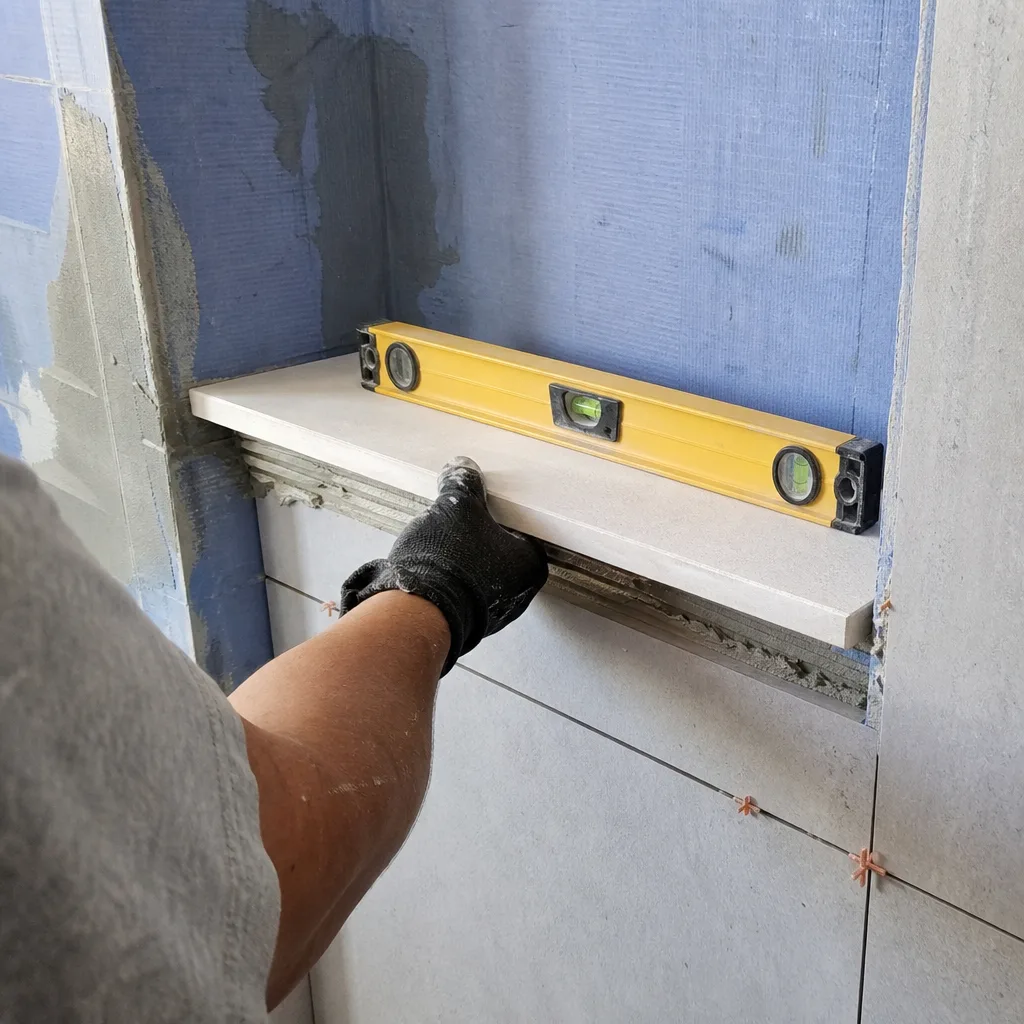
The economic case for early detection is not abstract. The following table summarizes the cost ranges we have documented across our project history in Chula Vista, with early detection defined as first visible warning sign and late repair defined as structural damage, water entry, or system failure requiring emergency response.
| Warning Sign | Early Detection Cost | Late Repair Cost | Cost Multiplier |
|---|---|---|---|
| Diagonal crack at window (2-3 mm), foundation | $8,000-$15,000 | $25,000-$60,000 | 2.5-4x |
| Efflorescence on stucco, no substrate damage | $1,200-$3,500 | $8,000-$18,000 | 5-5x |
| Granule loss on asphalt shingles, mat intact | $4,500-$8,500 | $8,000-$18,000 plus interior water damage | 2-3x |
| Breaker tripping, overloaded circuit | $800-$2,200 | Panel fire or appliance damage | Not applicable |
| Condensate pan water, drain line clog | $200-$600 | $3,000-$8,000 | 5-13x |
| GFI failure, non-responsive test | $150-$350 | Electrocution or fire | Not applicable |
| Unpermitted plumbing, no vent | $2,500-$6,500 | Sewer gas exposure, structural damage from repeated leaks | 3-5x |
These ranges reflect Chula Vista’s market conditions - labor rates, permit fees, and material costs specific to San Diego County in 2024-2025. The written quotes we provide under Clause 1 of the Haven Standard use current vendor pricing from our fifty-plus vetted brands, not inflated estimates that require negotiation. Cambria and Caesarstone countertop pricing, for example, is sourced directly from authorized distributors, not marked up for “custom” work that is not custom.
Common Mistakes to Avoid
- Monitoring cracks without measuring. “It hasn’t changed” is a guess without dated photographs and width reference. We provide a photo record on every evaluation so progression is documented, not remembered.
- Attributing musty odors to “old house” character. In Chula Vista’s climate, persistent musty odor is almost always active moisture, not age. The source can be identified with basic detection tools.
- Evaluating the roof from the driveway only. Binoculars from the street catch ridge line and major field damage, but valley and flashing conditions require closer inspection. Our evaluations include drone documentation where roof access is unsafe.
- Resetting breakers repeatedly without investigating cause. A breaker that trips twice in a month is signaling a problem; the third trip is not “annoying,” it is escalating risk.
- Assuming unpermitted work from a previous owner is “grandfathered.” There is no grandfathering for work that was never permitted; the liability transfers with the property, and disclosure is legally required.
- Waiting for “multiple estimates” before addressing active water or structural movement. In progressive conditions, the 30-day delay for comparison shopping often increases the repair cost by more than the estimate variation between contractors.
When to Call a Professional
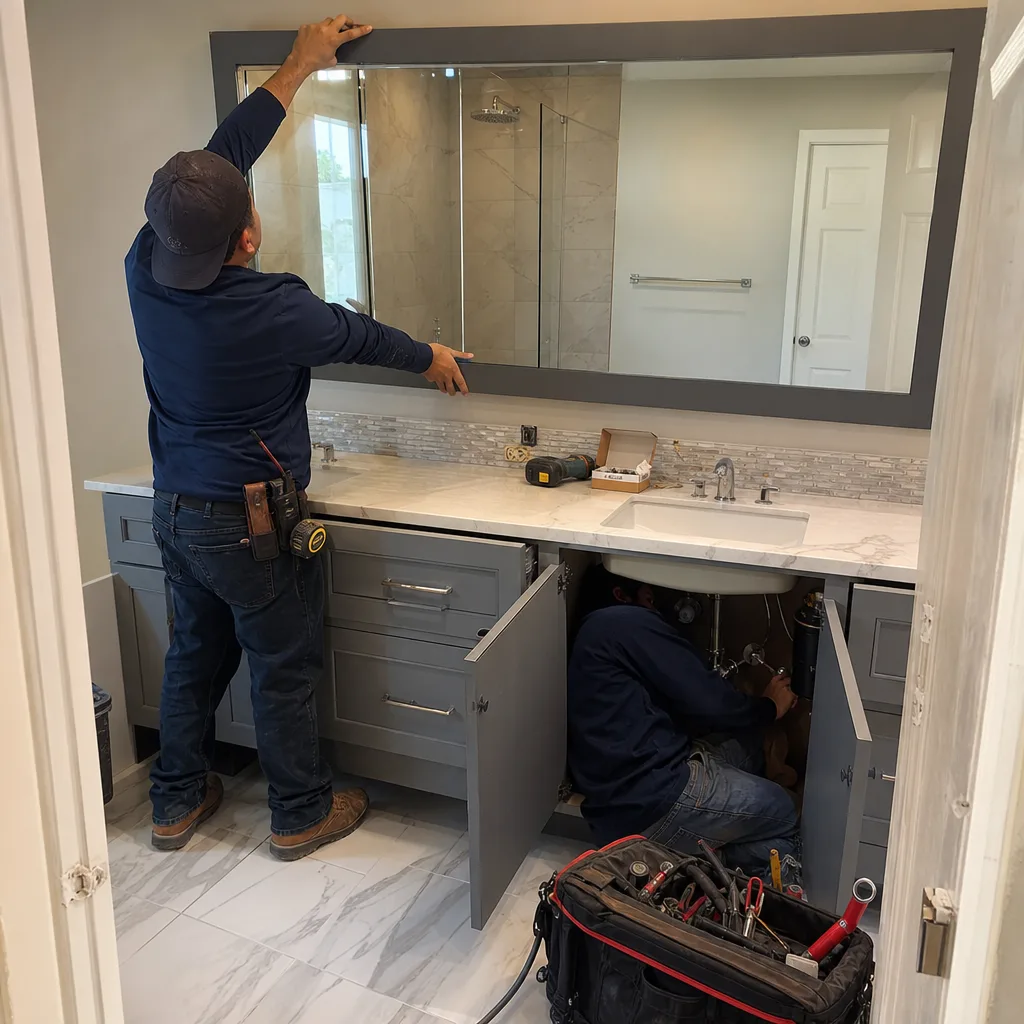
Call a licensed contractor or appropriate trade professional when: any crack exceeds 3 millimeters or progresses measurably in 90 days; efflorescence appears below 18 inches on stucco and persists after surface cleaning; roof granule loss is visible from the ground with exposed mat; any breaker trips more than twice monthly; condensate water is visible continuously; or any unpermitted work is discovered in preparation for sale or renovation.
Rowan Construction Group Chula Vista offers free estimates in Chula Vista - call (619) 536-0571. Every estimate includes a written flat price with scope and warranty documentation before any work begins, a documented photo record of conditions found, and review of any competitor’s written estimate at no charge through our Free Second Opinion program. Under Clause 1 of the Haven Standard, the price is written before anyone starts; under the 365-Day Done Right Promise, if it is not done right, we make it right.
Frequently Asked Questions
Foundation crack repair in Chula Vista typically costs $2,500 to $5,500 for epoxy injection of vertical settlement cracks, and $8,000 to $15,000 for helical or push pier stabilization of diagonal shear cracks at first detection. After two years of progression with floor slope and secondary damage, costs reach $25,000 to $60,000. Call (619) 536-0571 for an exact quote - estimates are free.
No. Under Clause 1 of the Haven Standard, Rowan Construction Group delivers a written flat price before any work begins, with a written scope and written warranty. No change proceeds without a signed change order, which is the administrative discipline that has kept projects within a few percent of the agreed cost across 4,000-plus jobs since 2007.
Yes. Permits are pulled and inspections passed on every project requiring them, with the permit number documented in the customer’s file. This is standard practice, not an upgrade. Unpermitted work is not an option we offer.
Foundation stabilization requires 2 to 5 working days for pier installation, plus 2 to 4 weeks for engineering observation and final grading. Stucco repair with drainage correction requires 5 to 10 working days, plus cure time for materials. Roof replacement requires 2 to 5 days depending on area and complexity. Each estimate includes a written schedule with milestones.
Every project includes: a written flat price and scope before work begins; a documented photo record of pre-existing conditions, work in progress, and completed state; signed change orders for any scope modification; and a written warranty. The photo record is delivered digitally and archived for warranty reference.
Chula Vista’s marine layer moisture, Santa Ana dry-down cycles, and expansive clay soils create specific patterns: accelerated stucco efflorescence from moisture cycling, foundation movement from soil expansion and contraction, and UV degradation of roofing materials from high solar exposure with mild temperatures that delay replacement decisions. The warning signs appear earlier and progress differently than in inland desert or northern coastal climates.
The Bottom Line
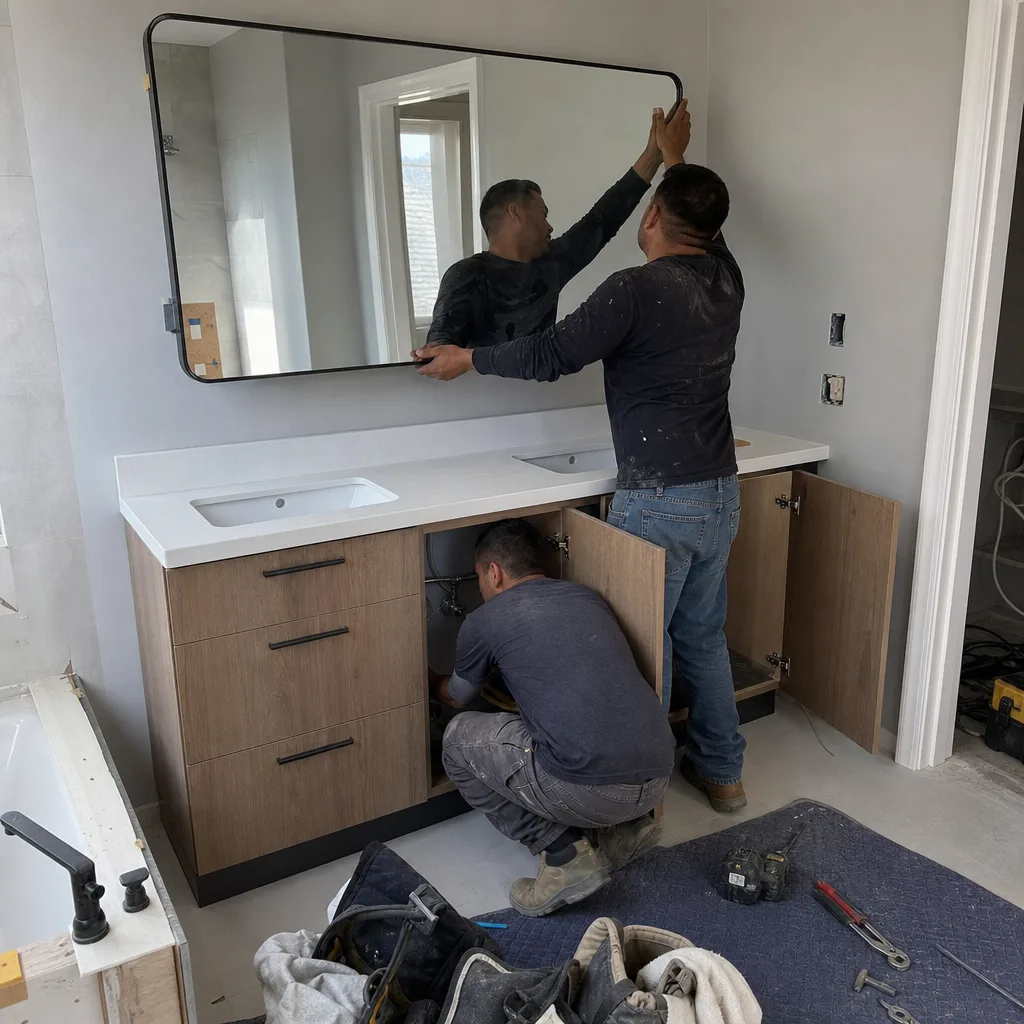
Construction warning signs are not mysterious; they are physical conditions with specific visual markers, measurable dimensions, and predictable cost progressions. The homeowner who measures a crack, photographs efflorescence, notes breaker trip frequency, and tests GFI outlets monthly is performing the same detection work that prevents $15,000 to $60,000 foundation repairs and $8,000 to $18,000 stucco reconstructions. The 12-to-24-month window between first warning and emergency failure is the period in which informed action produces the greatest return. Documentation - dated photographs, written observations, professional evaluations with photo records - transforms guesswork into evidence and supports both repair decisions and property disclosure. In Chula Vista’s specific soil, climate, and construction context, the signs are there to be read by anyone who knows what to look for.
Written by Grant Rowan, Owner at Rowan Construction Group Chula Vista, serving Chula Vista since 2007.