
Last updated September 25, 2026
Free written scope consultation - allowances, timeline, and change-order rules on paper before a single trade is scheduled
 Before
 After
After Before
 After
After Before
 After
AfterThe Complete Guide to Construction in Chula Vista
Chula Vista sits in two separate inspection jurisdictions depending on which side of certain streets you build on - a detail that has delayed projects by six to eight weeks when contractors didn’t check before pulling permits. In 2023, a kitchen addition on Paseo Rancheros crossed an invisible boundary into San Diego County’s unincorporated area; the city permit was voided, the county application restarted, and the homeowner paid for two sets of plan-check fees. This guide maps the actual decision tree that governs construction in Chula Vista: trade sequence, permit jurisdiction, soil and climate constraints, and realistic cost bands by project type. Whether you’re adding an ADU in Otay Ranch, replacing a roof in Rancho del Rey, or remodeling a kitchen in Eastlake, the rules layer differently here than in San Diego proper - and knowing which layer applies before you start saves more than money.
Quick Answer
Construction in Chula Vista requires navigating city versus county permit jurisdiction, coastal climate material specifications, and soil conditions that vary block by block. Most residential projects - kitchen and bathroom remodels, room additions, ADUs, roofing, and window replacements - need permits pulled before work begins, with inspections at rough-in and final stages. Realistic 2025-2026 construction costs in Chula Vista range from $180-$280 per square foot for standard finishes to $320-$450 per square foot for high-end work, with ADUs typically landing at $220-$340 per square foot depending on utility tie-ins and foundation requirements.
Table of Contents
- City vs. County: Which Permit Jurisdiction Applies to Your Chula Vista Property
- Soil, Slope, and Foundation Reality in Western vs. Eastern Chula Vista
- The Seven-Trade Sequence and Why Order Matters for Inspections
- 2025-2026 Construction Costs in Chula Vista: Realistic Ranges by Project Type
- Coastal Climate: Salt Air, Vapor Retarders, and Material Selection
- ADUs and Home Additions: Chula Vista’s Specific Rules
- Permit Timelines, Inspection Scheduling, and Re-Inspection Fees
- Prefabricated and Modular Options: What Works in Chula Vista
 Before
 After
AfterCity vs. County: Which Permit Jurisdiction Applies to Your Chula Vista Property
Chula Vista’s city limits wrap around pockets of unincorporated San Diego County like a jigsaw puzzle. The eastern edge near Jamul, pockets around Bonita, and sections south of the 905 near the border all fall under county jurisdiction. The city itself handles permits for the vast majority of residential neighborhoods: Otay Ranch, Eastlake, Rancho del Rey, Terra Nova, and the original western neighborhoods from the 1950s and 1960s.
Here’s how to verify before you spend a dollar on plans:
- Check the Chula Vista GIS parcel map. Enter your address at the city’s planning portal. If the parcel shows “City of Chula Vista” as the jurisdiction, city permits apply. If it shows “San Diego County” or “Unincorporated,” county rules govern - and they’re different.
- Call the city planning counter with your APN. The Assessor’s Parcel Number doesn’t lie. City staff will confirm jurisdiction in under two minutes. We’ve seen contractors skip this step and file city permits for county properties; the permit gets approved, the inspector arrives, and the work stops.
- Verify utility service boundaries separately. Water and sewer jurisdiction doesn’t always match building jurisdiction. Otay Water District serves much of eastern Chula Vista regardless of city or county status, and their service availability letters are required for ADUs and additions.
The practical difference: San Diego County’s Department of Environmental Health requires septic verification for any addition over 500 square feet in unincorporated areas, even if you’re on sewer. The city does not. County plan check for residential additions runs 4-6 weeks; Chula Vista’s city plan check averages 2-3 weeks for straightforward projects. We’ve handled both. Under Clause 1 of the Haven Standard, we verify jurisdiction before quoting - the written price depends on which permit path applies, and we name that path in the scope document.
One more wrinkle: properties on the county side of certain streets - sections of Paseo Rancheros, parts of San Miguel Road, and the area near the Sweetwater Summit Regional Park - may have county jurisdiction for the structure but city fire department authority for access and hydrant flow requirements. Both permits must clear before occupancy.
Soil, Slope, and Foundation Reality in Western vs. Eastern Chula Vista
Chula Vista’s geology splits roughly along Interstate 805. Western Chula Vista, from the bay to about the 805 corridor, sits on Bay Point formation soils - mostly stiff clays and silty sands with moderate expansion potential. Eastern Chula Vista, from Eastlake through Otay Ranch and toward Jamul, transitions to terrace deposits and, in the foothills, weathered bedrock with higher expansion characteristics and occasional liquefaction zones in the canyons.
What this means for your foundation:
- Western Chula Vista (Bayfront to 805): Standard post-tensioned slab-on-grade works for most single-story construction. The clay content means moisture management matters - we specify vapor retarders under all slabs, not just those with habitable space below. In the older neighborhoods near Third Avenue and Davidson Street, we’ve found undocumented fill from the 1940s and 1950s; geotechnical investigation is worth the $2,800-$4,200 for any significant addition.
- Eastern Chula Vista (Eastlake, Otay Ranch, Rolling Hills Ranch): Expansive soil potential triggers Chapter 18 of the California Building Code requirements for pier-and-grade-beam foundations on sloped lots or where expansion indices exceed 20. We’ve specified helical piers on hillside lots in San Miguel Ranch where standard footings would have cracked within three wet-dry cycles. The geotechnical report here isn’t optional - it’s stamped into the structural plans.
- The transition zone (roughly 805 to the 125 corridor): This is where surprises happen. We’ve seen adjacent lots in Rancho del Rey with different soil classifications because one was graded and compacted during original development and the other sits on native terrace deposits. The 1990s master-planned communities generally have better documentation than the 1970s and 1980s infill.
For home additions in Chula Vista, foundation tie-in is the critical detail. The new footing must connect to the existing without creating a differential settlement plane. We document the existing foundation condition with photos before excavation - standard on every Rowan project - and specify the connection method in the written scope: epoxy dowels, keyway, or stem wall extension, with the engineer’s detail referenced by sheet number.
The Seven-Trade Sequence and Why Order Matters for Inspections
Chula Vista’s building inspectors enforce trade sequence strictly. Skip a step, fail the inspection, pay the re-inspection fee, and wait for the next available slot. In 2024, re-inspection fees ran $180-$260 depending on trade, and scheduling delays added 5-10 business days. The sequence isn’t bureaucratic preference - it’s structural logic. Each trade covers the work of the previous one, and inspectors need visual access to what’s being covered.
The seven-trade sequence for typical residential construction in Chula Vista:
- Demolition and site prep. Permits required for structural demolition; cosmetic demo inside existing envelope generally does not. We photo-document all existing conditions before any wall comes down - the photo record becomes the baseline for “was it like that before?” disputes.
- Framing and structural. Rough framing inspection verifies shear wall nailing patterns, hold-downs, and header sizes per the engineered plans. In Chula Vista’s seismic design category D, the inspector will count nails and measure spacing with a tape. We’ve seen failures for 8d nails where 10d was specified, or hold-downs bolted to the wrong side of the post.
- MEP rough-in. Mechanical, electrical, and plumbing - all three can rough simultaneously if coordinated, but each needs separate inspection. Chula Vista requires green board (moisture-resistant drywall) in bathrooms and laundry rooms before insulation inspection in those rooms; we schedule accordingly.
- Insulation. Title 24 energy compliance is verified at this stage. Chula Vista enforces the 2022 Energy Code with HERS verification for most additions and ADUs. The insulation inspection includes blower door testing for new detached ADUs - plan for this in your schedule.
- Drywall. Inspection covers screw spacing, fire-rated assemblies where required, and moisture-resistant board in wet areas. No tape, no mud - just the board, so inspectors can see the fastening.
- Finish trades. Flooring, cabinets, tile, trim, paint - no inspection required for most finish work, but the final inspection covers egress, guardrail heights, and fixture operation.
- Punch list and final. The inspector verifies CO requirements: smoke/CO detectors, stair dimensions, handrail returns, and accessible route clearances. For ADUs, this includes separate electric meter or sub-panel labeling.
The most common sequence error we correct in Chula Vista: insulating before the MEP inspector has signed off. A homeowner or handyman closes the walls to keep schedule, the MEP inspector arrives, and the drywall comes back off. Under the Haven Standard, our project managers hold the trade sequence in writing; no next trade starts until the previous inspection is passed and documented with a photo of the green tag.
2025-2026 Construction Costs in Chula Vista: Realistic Ranges by Project Type
These are the numbers we put in writing before work starts - ranges based on 2024-2025 project data across our 4,000-plus jobs, adjusted for Chula Vista’s permit fees, labor rates, and material delivery costs. Every project gets a flat written price with line-item breakdown; these ranges let you compare before you call.
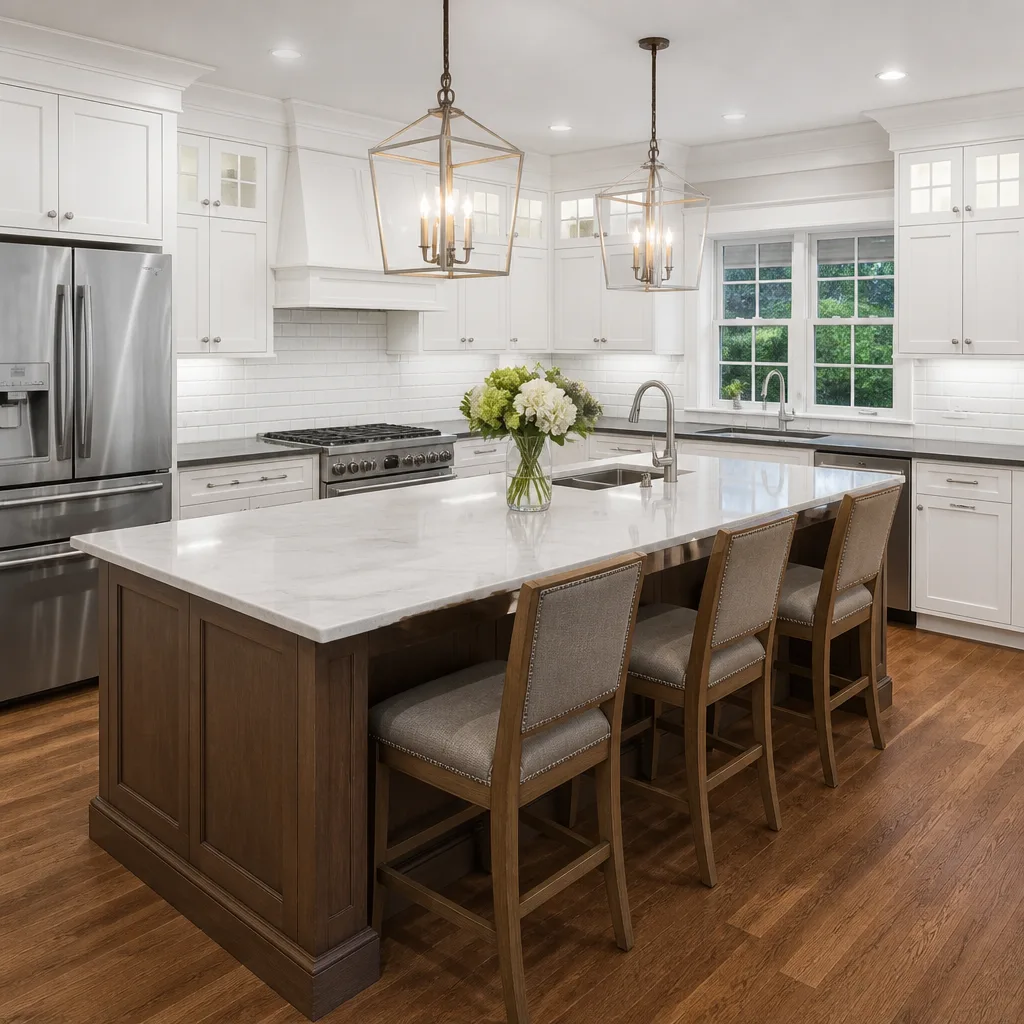
Kitchen Remodeling in Chula Vista
- Cosmetic refresh (cabinets, counters, paint, flooring): $28,000-$48,000
- Mid-range reconfiguration (move appliances, new layout, semi-custom cabinets): $58,000-$95,000
- Full gut with structural changes (remove walls, beam installation, high-end finishes): $110,000-$175,000
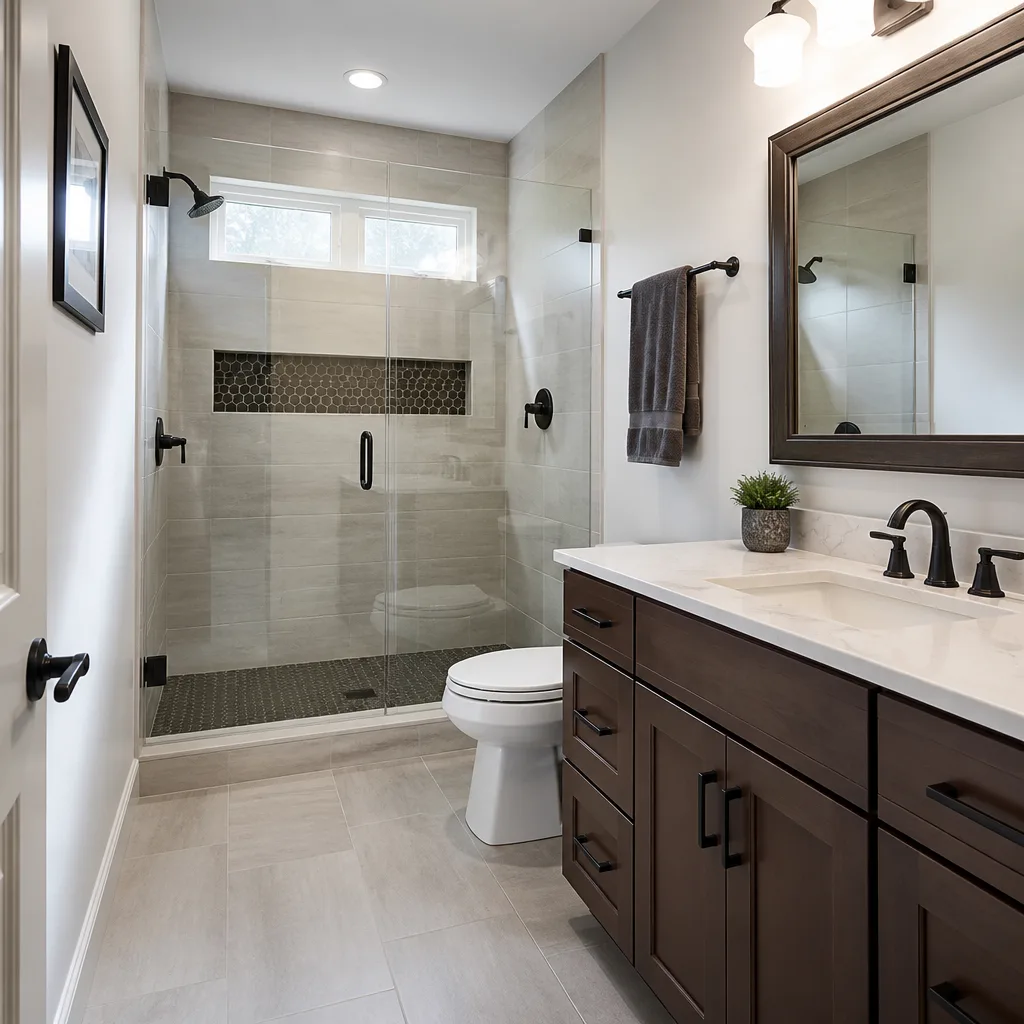
Bathroom Remodeling in Chula Vista
- Hall bath refresh (vanity, toilet, tub surround, tile floor): $14,000-$26,000
- Primary bath reconfiguration (relocate fixtures, curbless shower, custom vanity): $38,000-$68,000
- Luxury primary (steam shower, freestanding tub, heated floor, full tile): $72,000-$120,000
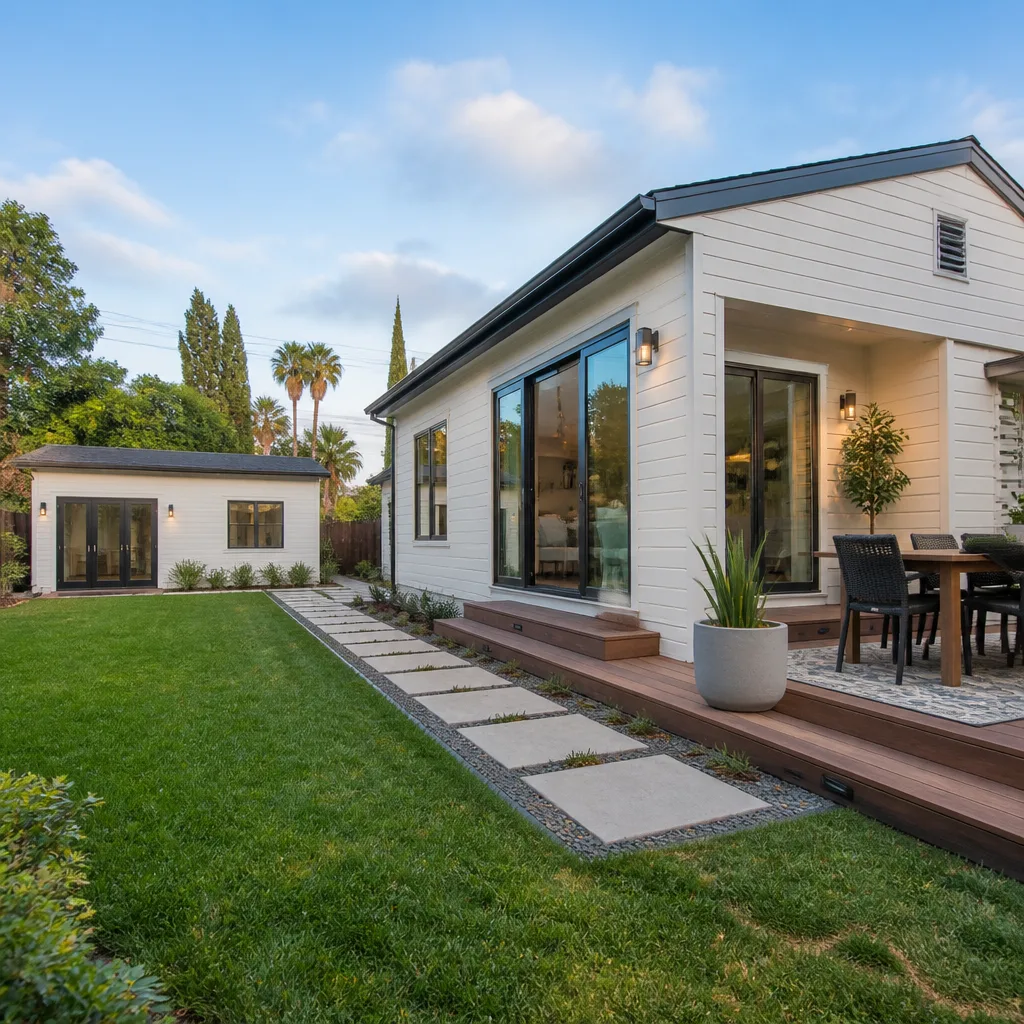
Home Additions and ADUs
- Room addition (foundation to finish, standard finishes): $220-$280/sq ft
- ADU, detached, standard finishes: $240-$320/sq ft
- ADU, detached, high-end finishes with kitchen: $300-$420/sq ft
- Garage conversion to ADU (no foundation work): $180-$260/sq ft
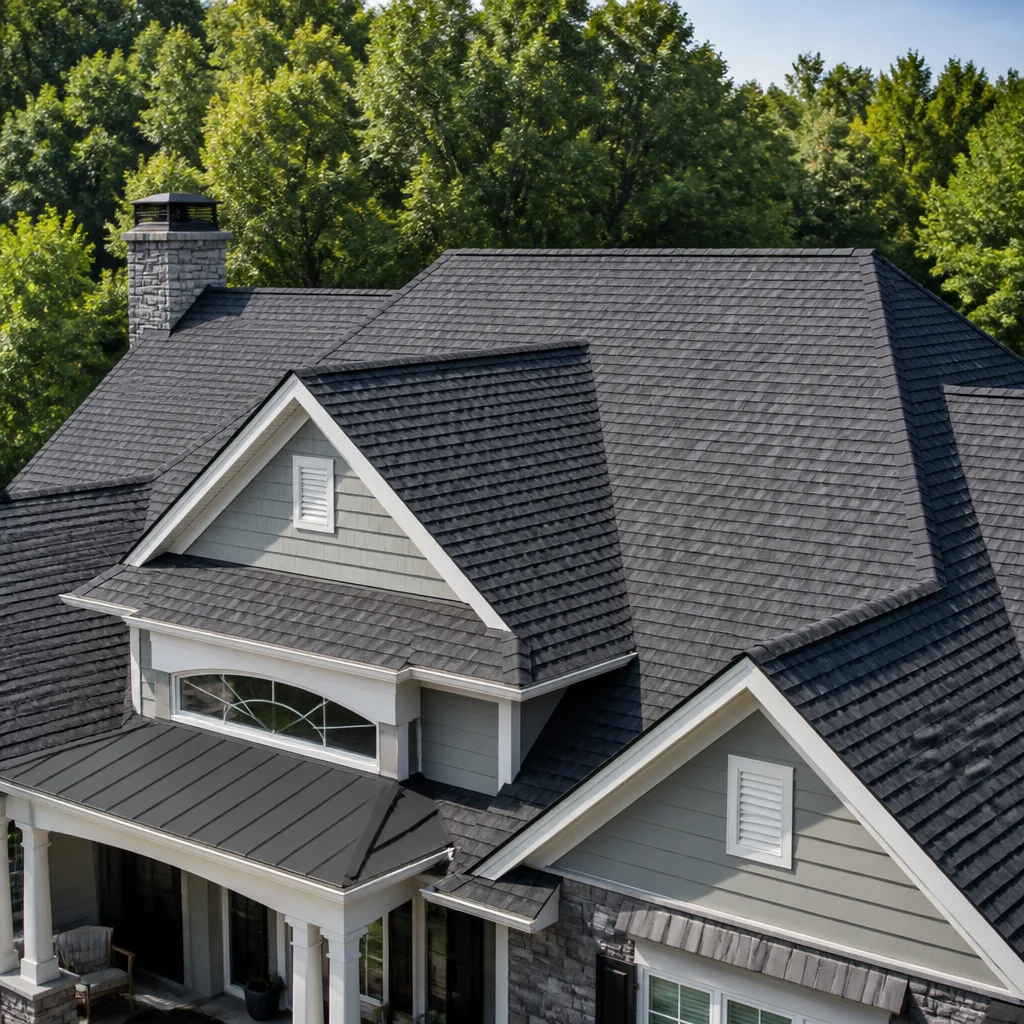
- Asphalt shingle replacement, single-story: $8,500-$14,000
- Asphalt shingle replacement, two-story or complex roof: $12,000-$22,000
- Tile roof repair/replacement (clay or concrete): $18,000-$35,000
- Flat roof (TPO or modified bitumen): $9,000-$16,000
Windows and Doors
- Vinyl window replacement, per opening: $850-$1,400
- Fiberglass window replacement, per opening: $1,200-$2,000
- Entry door replacement (prehung, standard size): $2,800-$5,500
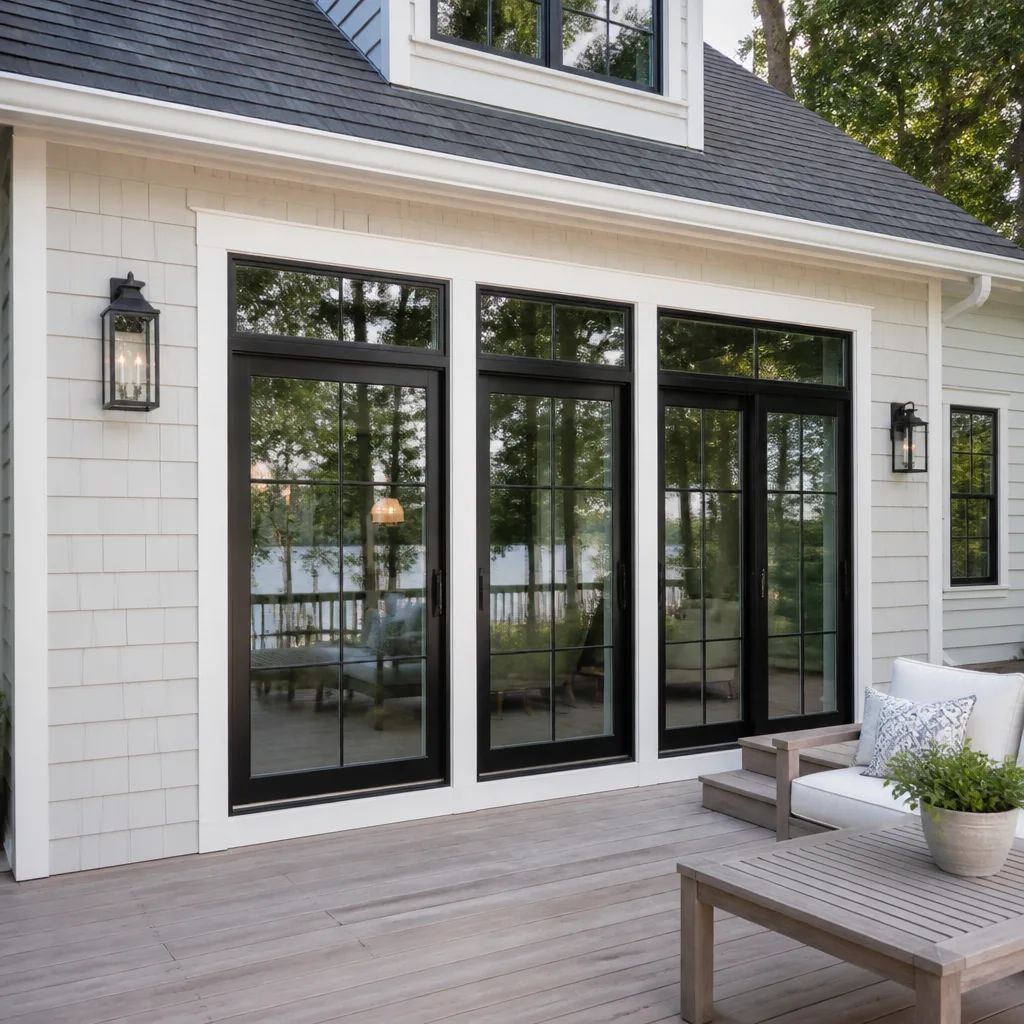
- Folding or multi-slide door system: $12,000-$28,000
Fence Installation and Driveway/Pavers
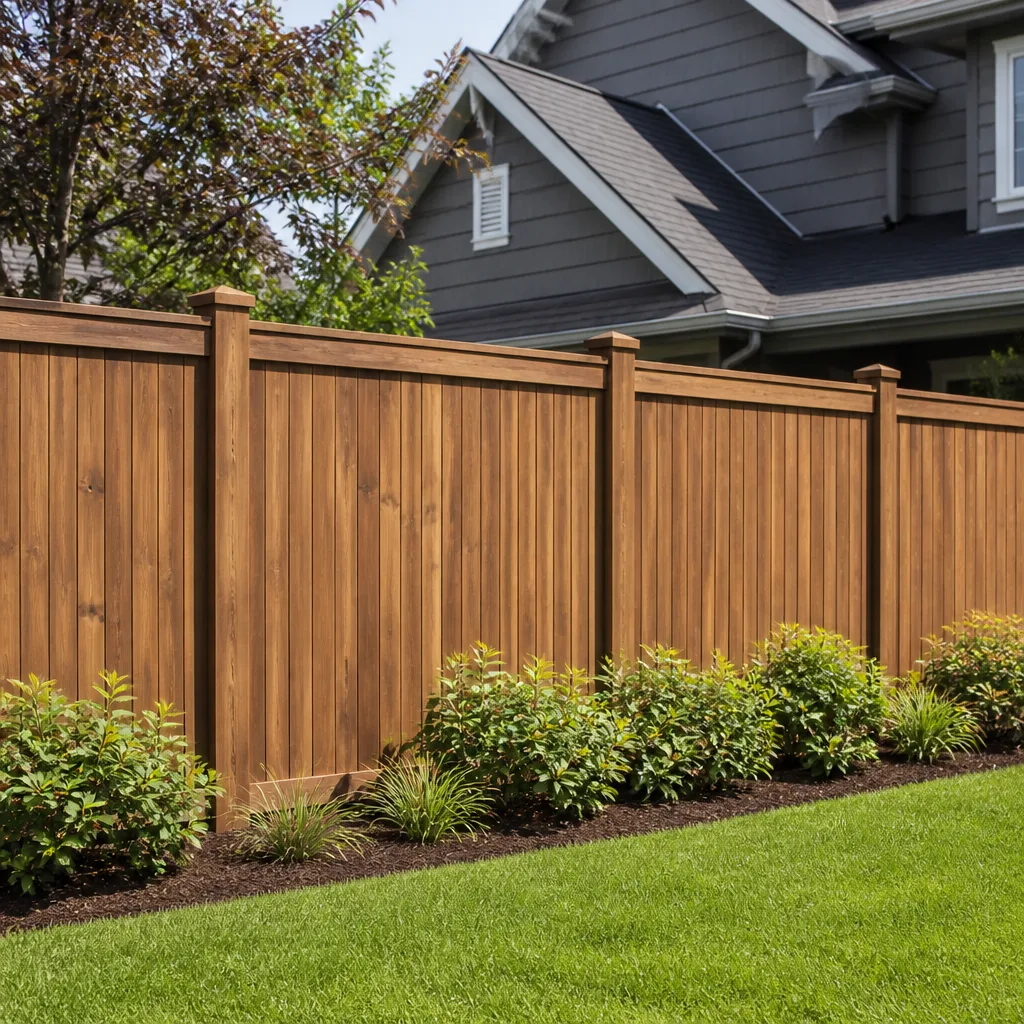
- Wood privacy fence, per linear foot: $28-$48
- Vinyl fence, per linear foot: $38-$68
- Concrete driveway replacement, per square foot: $12-$18
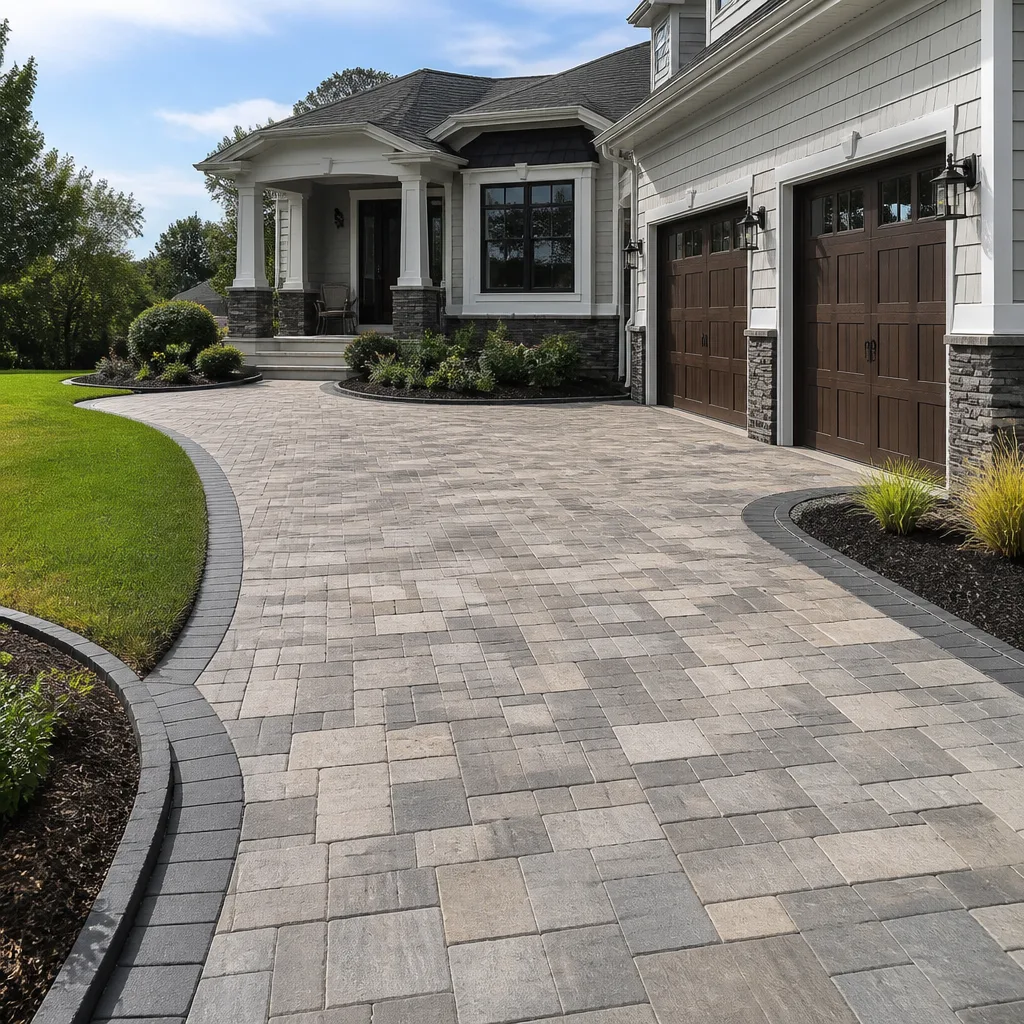
- Interlocking pavers (Belgard, Techo-Bloc), per square foot: $18-$32
These ranges include standard permit fees for city jurisdiction; county permits add $400-$1,200 depending on project value. They do not include geotechnical investigation, which we quote separately when soil conditions warrant. Every Rowan quote is a flat price with a written scope - Clause 1 of the Haven Standard. No change proceeds without a signed change order, which is how our projects finish within a few percent of the agreed number.
Coastal Climate: Salt Air, Vapor Retarders, and Material Selection
Chula Vista’s proximity to San Diego Bay creates a marine climate zone that accelerates corrosion on unprotected metal and drives moisture into wall assemblies differently than inland construction. The city sits at roughly 13-66 feet elevation with consistent onshore flow; salt-laden air reaches every neighborhood, though western Chula Vista sees higher deposition rates than eastern.
Material specifications we adjust for Chula Vista’s coastal conditions:
- Fasteners and hardware: Standard galvanized fasteners fail prematurely within 5-8 years in salt air. We specify 316 stainless steel or HCR (high corrosion resistant) coatings for exterior hardware, deck ledger attachments, and exposed structural connectors. Simpson Strong-Tie’s ZMAX coating is minimum; 316 stainless is standard on our coastal-facing elevations. The cost difference is $0.80-$2.40 per fastener, which adds $400-$1,200 to a typical deck or addition - but prevents the $8,000-$15,000 repair we see when standard hardware corrodes through.
- Vapor retarders: California’s Title 24 requires vapor retarder on the warm side of insulation in marine climate zones. In Chula Vista, this means the interior side of exterior walls for conditioned space. We specify smart vapor retarders (certain variable-permeability membranes) rather than polyethylene sheeting, which can trap moisture in air-conditioned buildings during humid periods. The material costs more - $0.45/sq ft vs. $0.12/sq ft for poly - but prevents the mold remediation we’ve documented in 2010s-era homes built with impermeable barriers.
- Exterior cladding and roofing: For roofing in Chula Vista, we specify algae-resistant shingles (GAF Timberline HDZ or Owens Corning Duration) even on low-pitch roofs where algae isn’t visually obvious - the copper granules also inhibit salt corrosion at the shingle edges. For coastal-facing stucco, we specify elastomeric finish coats with higher elongation (300% minimum) to accommodate the thermal cycling that salt accelerates.
- Window and door frames: Vinyl frames with titanium dioxide stabilizers resist UV degradation better than basic vinyl in the high-solar marine environment. We source from manufacturers with specific coastal warranties - not all do.
In the older neighborhoods near J Street and the original Chula Vista downtown, we’ve found unvented crawl spaces with moisture levels above 20% wood moisture content. Our standard specification now includes conditioned crawl space conversion or sealed vapor barriers with dehumidification for these properties - we document the moisture reading, explain the finding, and include the remediation in the written scope if the homeowner elects to proceed.
ADUs and Home Additions: Chula Vista’s Specific Rules
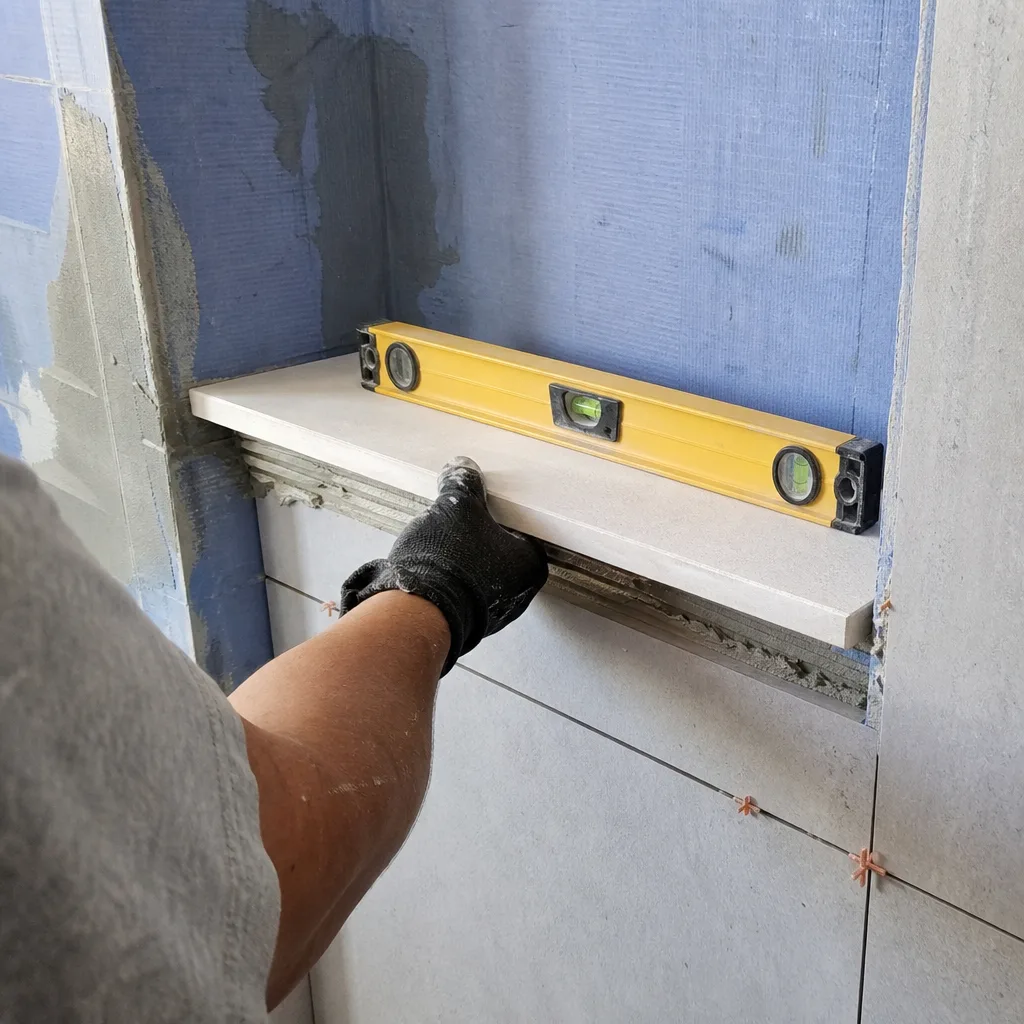
Chula Vista adopted Senate Bills 9 and 10 provisions with local amendments that differ from San Diego’s implementation. The city allows detached ADUs up to 1,200 square feet on single-family lots, but with a critical local twist: the city’s floor area ratio (FAR) calculation includes the ADU against the base lot’s maximum, whereas some jurisdictions exempt ADUs from FAR. On a 5,000-square-foot lot in Rancho del Rey with a 2,400-square-foot main house at 0.45 FAR, a 1,200-square-foot ADU pushes total FAR to 0.69 - potentially requiring a variance if the specific neighborhood plan caps at 0.50.
We’ve navigated this on three Otay Ranch projects since 2023. The solution in each case: design the ADU at 800-950 square feet to stay under the combined FAR threshold, or pursue a planned development amendment if the neighborhood association allows. Neither is automatic; both require pre-application conferences with city planning.
Chula Vista’s ADU-specific requirements:
- Setbacks: 4 feet side and rear for detached ADUs under 800 square feet; 6 feet for larger. Front yard setback matches the underlying zone. We’ve seen applications rejected for 3-foot side setbacks that would pass in San Diego.
- Height: 16 feet for detached ADUs, measured from average finished grade to peak. This precludes two-story ADUs in most configurations - a common misconception.
- Parking: No additional parking required if within 0.5 miles of transit, which covers most of Chula Vista. The 0.5-mile measurement is by sidewalk route, not straight-line distance; we verify with the city’s transit proximity map before stating this in the scope.
- Utility connections: Separate electric meter or clearly labeled sub-panel required. Gas line extension requires SDG&E service upgrade evaluation; we’ve waited 8-12 weeks for this on eastern Chula Vista properties where main capacity was limited.
- Fire separation: 10-foot minimum between structures, or 1-hour rated wall if closer. Detached ADUs within 10 feet of the main house need sprinkler systems if the main house is sprinklered - which most post-2010 Chula Vista construction is.
For home additions in Chula Vista, the city distinguishes between “habitable addition” (bedroom, living space) and “accessory space” (enclosed patio, sunroom without HVAC). The latter can often proceed with simplified permitting if under 120 square feet and without permanent heat - but the moment you add a mini-split, it’s habitable and needs full Title 24 compliance.
Permit Timelines, Inspection Scheduling, and Re-Inspection Fees
Chula Vista’s Development Services Department publishes target timeframes; our experience across 200-plus local projects shows where reality diverges from the published target.
Plan check timelines (2024-2025 actual):
- Over-the-counter permits (roofing, window replacement, water heater): same day, if plans are complete
- Residential addition or remodel, standard plan check: 10-15 business days (target: 10)
- ADU or new detached structure: 15-25 business days (target: 15)
- Complex project requiring structural engineering review: 20-35 business days
- Revisions after initial plan check: 5-10 business days per cycle
The revision cycle is where projects lose time. Incomplete energy calculations, missing structural details, or Title 24 forms with outdated compliance software versions all trigger revisions. We submit complete packages - energy compliance signed by a HERS rater, structural calcs in the engineer’s format, photo documentation of existing conditions - to minimize cycles. Our current first-submission approval rate in Chula Vista is 94%; industry average runs 60-70%.
Inspection scheduling:
Chula Vista uses an online inspection request system with next-business-day availability for most trades, if requested before 3 PM. Same-day inspection is occasionally available for final inspections but not guaranteed. Inspector assignments rotate; we track which inspectors cover which zones and their specific focus areas. One inspector in the eastern zone consistently verifies gas pipe bonding at the meter; another in the western zone checks smoke detector interconnection with a functional test. Neither requirement is explicit in the code - it’s inspector preference, documented in our project files after each inspection.
Re-inspection fees:
- First re-inspection: $180
- Second re-inspection: $260
- Third and subsequent: $260 plus potential work-without-permit investigation
We avoid re-inspections through pre-inspection walkthroughs. Our project manager walks the job with the lead technician the day before inspection, using the city’s published inspection checklist. The photo record from this walkthrough documents compliance and becomes evidence if an inspector disputes preparation.
Prefabricated and Modular Options: What Works in Chula Vista
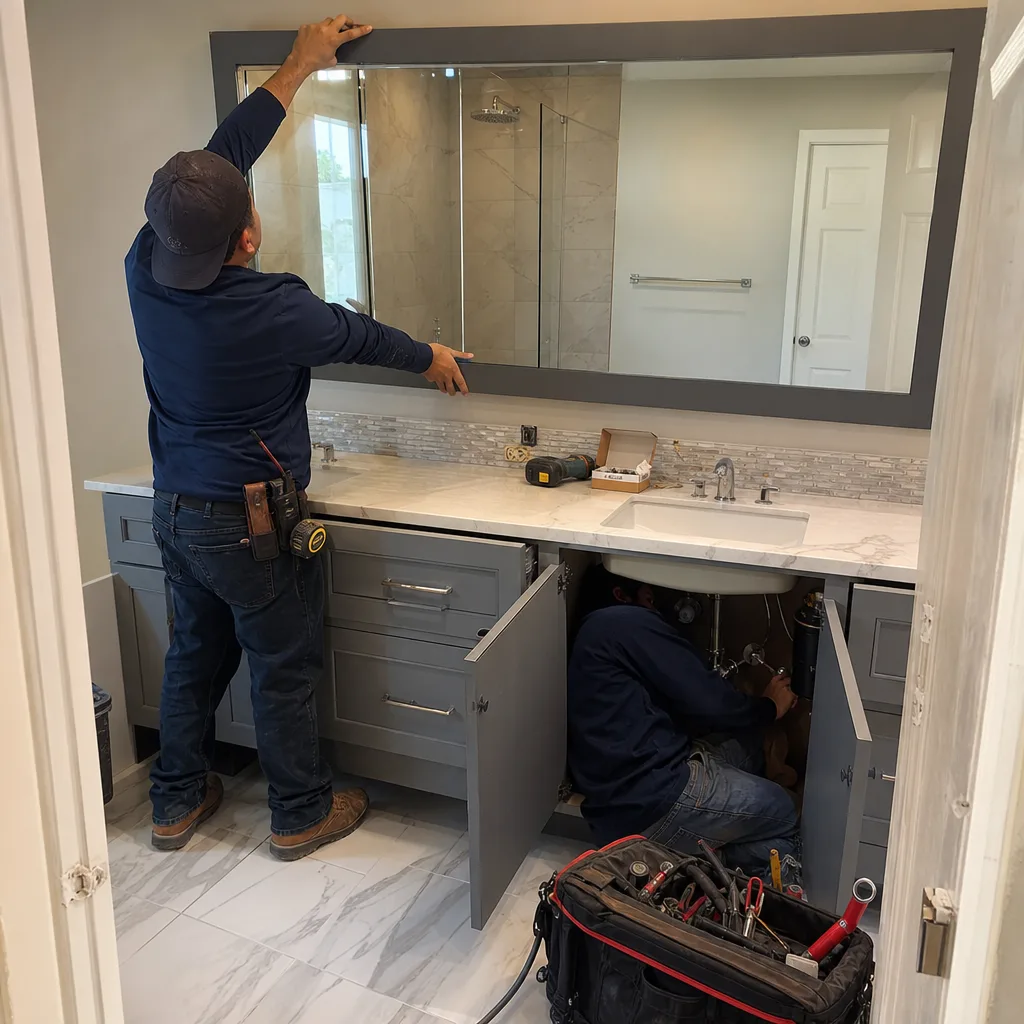
Prefabricated construction is gaining traction in California’s high-cost markets, and Chula Vista’s ADU demand makes it a natural fit. But not all prefab systems clear local jurisdiction, and foundation requirements vary significantly.
Dvele builds fully finished modular units with integrated smart systems. Their units ship complete with MEP rough-in terminated at connection points. In Chula Vista, Dvele units qualify as factory-built housing under HCD certification, which streamlines plan check but still requires local foundation and utility connection permits. We’ve priced Dvele installations at $340-$420 per square foot all-in, including foundation, delivery from their Southern California facility, and crane set. The advantage is speed - 4-6 months from contract to occupancy vs. 8-14 months for site-built. The constraint is size: module width maxes at 16 feet for highway transport, so larger ADUs need multiple modules with site-built connectors.
Mighty Buildings uses 3D-printed composite panels for wall and roof assemblies. Their units are lighter than conventional framing, which matters in Chula Vista’s expansive soil zones where foundation loads drive pier depth. We’ve evaluated Mighty Buildings for a hillside lot in San Miguel Ranch where geotechnical constraints made conventional framing expensive; the reduced dead load allowed a simpler pier foundation, saving approximately $18,000 in foundation costs against a $12,000 premium for the panel system. Net savings with faster schedule. Mighty Buildings holds ICC-ES evaluation reports that Chula Vista’s building department accepts; not all jurisdictions do.
Boxabl manufactures foldable room modules designed for rapid deployment. Their Casita model (361 square feet) folds to 8.5 feet wide for transport and unfolds on site. In Chula Vista, Boxabl units face a specific challenge: the unfolded width exceeds standard setback clearances on many 5,000-square-foot lots, and the unit’s classification as an accessory structure (not factory-built housing) means full site-built permitting. We’ve found Boxabl most viable on larger lots in the eastern Chula Vista hills or as garage conversions where the existing envelope provides cover. The $50,000-$60,000 base unit price is attractive, but foundation, utility connections, and permit costs add $35,000-$55,000 in our market.
Plant Prefab builds custom panelized systems - not modules, but pre-cut wall and roof panels shipped flat and assembled on site. This hybrid approach reduces site framing time by 40-60% while preserving design flexibility. In Chula Vista, Plant Prefab’s system works well for additions where crane access is limited (tight lots in older neighborhoods) or where the homeowner wants custom dimensions that modular units can’t accommodate. We’ve used their system for a second-story addition in the Terra Nova area where module crane placement would have required removing a mature oak - protected under Chula Vista’s tree preservation ordinance.
The Haven Standard applies regardless of construction method. The written price, the signed change order, the documented photo record, and the 365-Day Done Right Promise all transfer to prefab projects. The discipline is in the documentation, not the materials.
Common Mistakes to Avoid
- Assuming San Diego rules apply. Chula Vista’s ADU setback requirements, FAR calculations, and tree preservation ordinances differ from San Diego’s. A contractor who works both markets must verify which jurisdiction applies - we do this before quoting.
- Skipping geotechnical investigation in eastern Chula Vista. The $3,000-$4,500 investigation cost prevents the $15,000-$30,000 foundation repair when expansive soil heaves an unengineered slab. We’ve seen three projects in Otay Ranch where this step was skipped and the consequences appeared within 18 months.
- Using interior-grade fasteners on exterior work. The salt air doesn’t forgive standard drywall screws on soffit panels or uncoated deck hardware. The failure mode is gradual until it isn’t - then it’s sudden and expensive.
- Scheduling finish trades before final inspection. Chula Vista inspectors will fail a job if flooring is installed before they verify guardrail heights or if cabinets block access to electrical panels. The re-inspection fee is minor compared to removing and replacing finished work.
- Neglecting HERS verification for ADUs and additions. Title 24 compliance isn’t complete without the HERS rater’s signature. We’ve seen homeowners occupy ADUs without final HERS clearance, then face certificate of occupancy issues at resale.
- Ignoring utility capacity limits. SDG&E’s eastern Chula Vista infrastructure has capacity constraints. The service upgrade queue runs 6-10 weeks; starting construction before the upgrade is scheduled means energized work can’t proceed on schedule.
- Choosing prefab without verifying local acceptance. Not all factory-built systems have the ICC-ES reports or HCD certification that Chula Vista requires. We verify acceptance before including any prefab system in a written quote.
When to Call a Professional
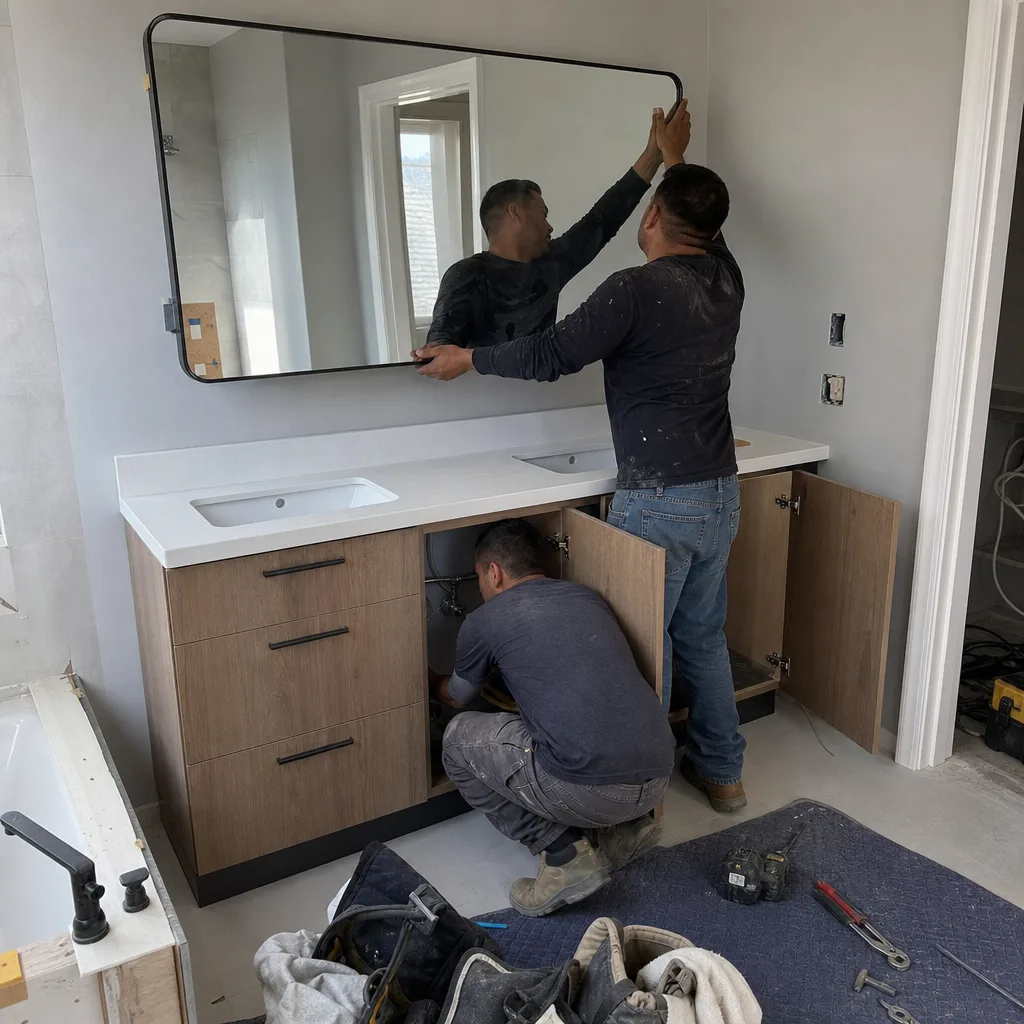
Call a licensed contractor when your project involves structural modification, MEP relocation, or permit-required work - which covers most construction beyond cosmetic painting and flooring replacement. In Chula Vista specifically, professional guidance matters when you’re navigating city versus county jurisdiction, designing for expansive soil conditions, or evaluating prefab options against site-built alternatives.
Rowan Construction Group Chula Vista offers free estimates in Chula Vista - call (619) 536-0571. We bring a written price, a documented assessment of your property’s specific conditions, and a clear statement of which permit path applies. Our 365-Day Done Right Promise applies to every project, and our Free Second Opinion on any written estimate lets you compare our line-item breakdown against any competitor’s quote at no charge.
Frequently Asked Questions
Detached ADUs in Chula Vista typically cost $240-$320 per square foot for standard finishes, or $300-$420 per square foot with high-end materials and fixtures. A 500-square-foot studio ADU generally runs $120,000-$160,000 all-in, including permits, foundation, utility connections, and standard appliances. Garage conversions cost less - $180-$260 per square foot - because the foundation and envelope exist. Call (619) 536-0571 for a written quote on your specific property; estimates are free.
Yes, if you’re moving walls, relocating plumbing or electrical, or changing the footprint. Cosmetic kitchen updates - cabinet refacing, countertop replacement, painting - generally don’t require permits. But any structural modification, new electrical circuits, or plumbing relocation triggers a building permit and inspection sequence. Rowan Construction Group pulls all required permits as part of our written scope; the permit cost is itemized in your flat-price quote.
Plan check for a typical home addition runs 10-15 business days in Chula Vista city jurisdiction, or 15-25 business days for complex projects requiring structural engineering review. County jurisdiction adds 1-2 weeks. The full timeline from application to first inspection is typically 4-6 weeks for straightforward projects, assuming complete plans and no revision cycles. We submit complete packages to minimize delays; our first-submission approval rate in Chula Vista is 94%.
Chula Vista city permits cover most residential neighborhoods including Otay Ranch, Eastlake, and Rancho del Rey. San Diego County permits govern unincorporated pockets within and around Chula Vista’s borders, including sections near Jamul and Bonita. The county has additional requirements for septic verification and uses different plan check timelines. Verify jurisdiction with your Assessor’s Parcel Number before starting - we do this as Step 1 on every project.
At Rowan Construction Group, no. Our written price is flat and fixed; the only changes come from signed change orders that you approve in writing before any additional work proceeds. This discipline - Clause 1 of the Haven Standard - has kept our projects within a few percent of the agreed price across 4,000-plus jobs since 2007. If we encounter concealed conditions (unexpected soil issues, for example), we document with photos, explain the finding, and present a written change order with options before proceeding.
Salt-laden air accelerates corrosion on unprotected metal fasteners and can degrade standard asphalt shingles at the edges. We specify algae-resistant shingles with copper granules (GAF Timberline HDZ or Owens Corning Duration) and 316 stainless steel or HCR-coated hardware for coastal-facing elevations. Vapor retarder specifications also differ from inland construction - smart variable-permeability membranes perform better than polyethylene in Chula Vista’s marine climate zone. These specifications are included in our written roofing quotes, not offered as upgrades.
The Bottom Line
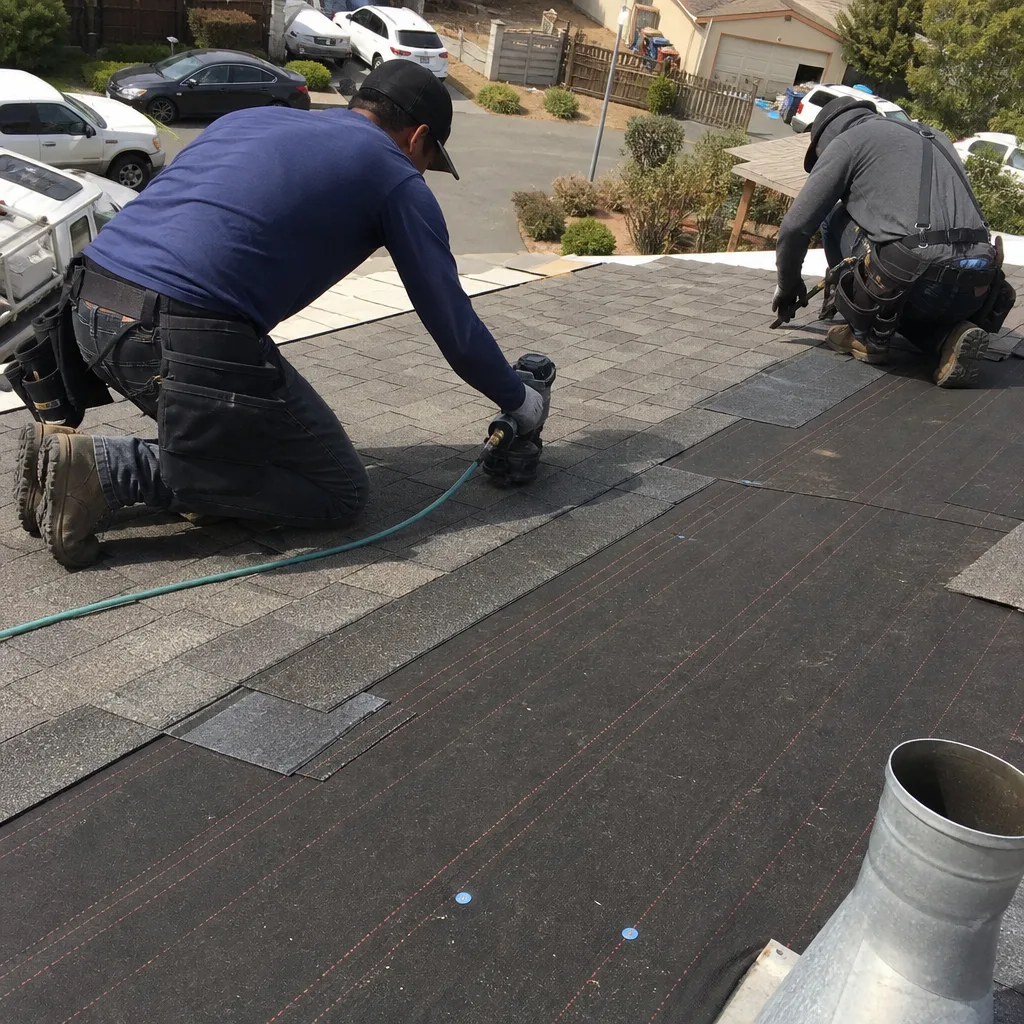
Construction in Chula Vista rewards preparation. The city’s dual jurisdiction, variable soils, coastal climate, and specific ADU rules create a decision tree that inexperienced contractors navigate poorly - and homeowners pay for in delays, re-inspection fees, and change orders that should have been foreseen. The projects that finish on time and within budget share one trait: every variable was documented before the first permit was pulled.
At Rowan Construction Group, that documentation is our standard deliverable. The written price with line-item breakdown. The photo record of existing conditions. The verified jurisdiction and permit path. The signed change order before any scope change. And the 365-Day Done Right Promise, printed on every page, backed by a terms page you can read.
We’ve delivered 4,000-plus projects since 2007, every one with a written price before work started and a documented record when the crew left. If you’re planning construction in Chula Vista - a kitchen remodel, a bathroom update, a roof replacement, or an ADU - call (619) 536-0571 to schedule your free estimate. Bring a competitor’s written quote and we’ll review it line by line at no charge. Under the Haven Standard, you get the number in writing before anyone picks up a tool. That’s not marketing. That’s Clause 1.
Written by Grant Rowan, Owner at Rowan Construction Group Chula Vista, serving Chula Vista since 2007.