
Last updated September 25, 2026
Free written scope consultation - allowances, timeline, and change-order rules on paper before a single trade is scheduled

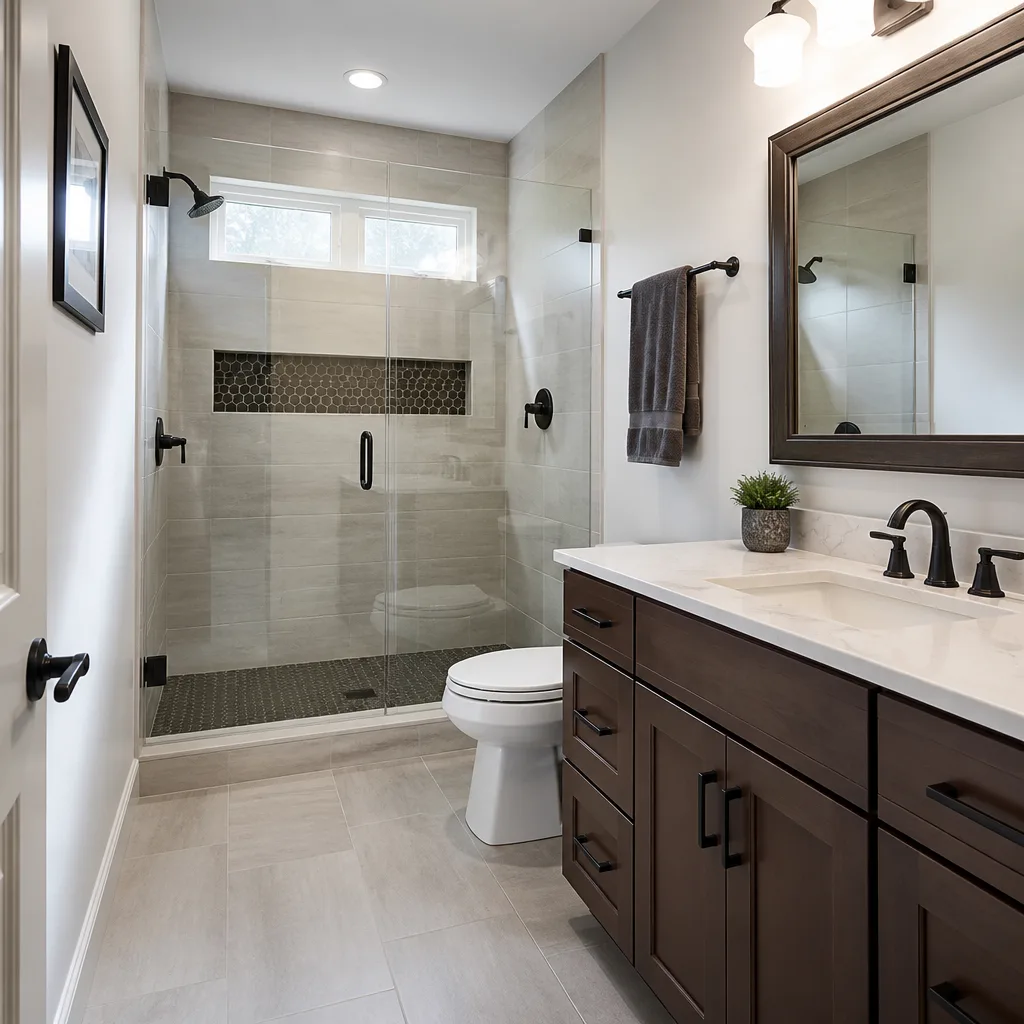





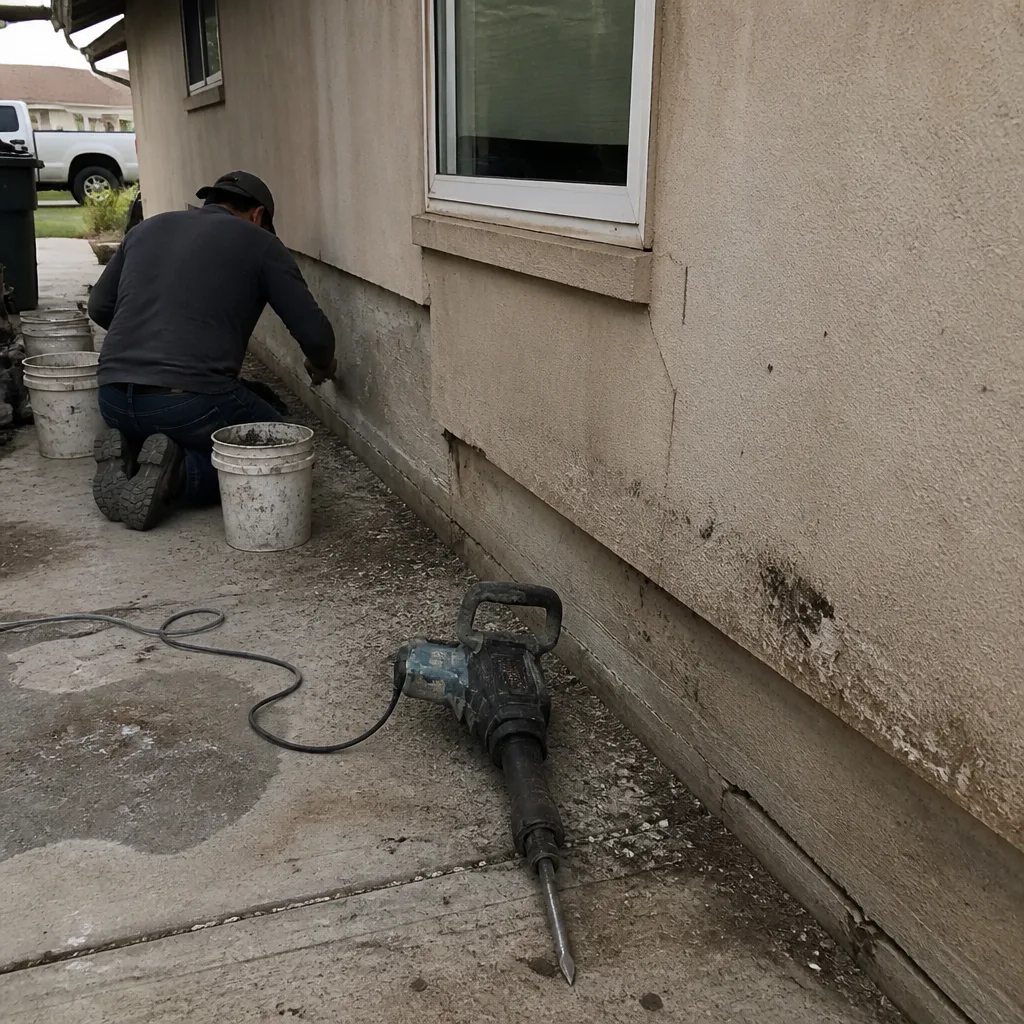 Before
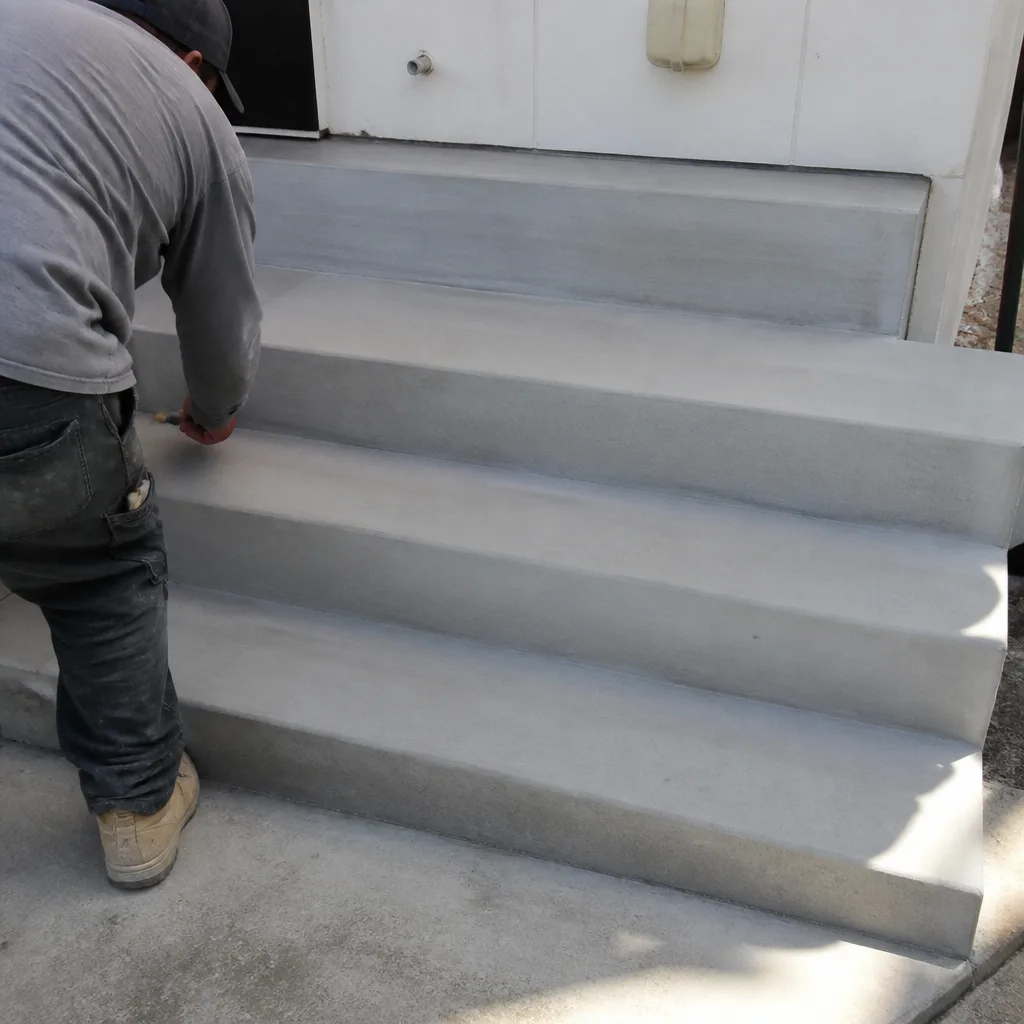 After
After Before
 After
After Before
 After
AfterSeasonal Construction Care for Chula Vista: Year-Round Homeowner’s Guide
The Santa Ana wind events that Chula Vista sees from October through February drop relative humidity to under 15 percent. That is enough to open gaps in wood framing joints that were tight all summer, and those gaps are where water enters during the January-March rain window. Most homeowners here assume mild weather means low maintenance; in our experience, the opposite is true. The combination of dry wind, marine layer moisture, and concentrated winter rain creates a specific stress cycle that damages homes predictably and quietly. This guide maps that cycle to a quarterly schedule you can act on, with tasks specific enough to do yourself or discuss with a contractor who will put the scope and price in writing before work starts. For The Complete Guide to Construction in Chula Vista and more guides & resources, see our blog.
Quick Answer
Seasonal construction care in Chula Vista means preparing for three distinct climate stressors: the October-February Santa Ana dry wind season that shrinks wood and opens joints, the May-August marine layer period that traps moisture in poorly ventilated spaces, and the January-March rain concentration that tests every roof penetration and drainage path. A homeowner who inspects wood joints before the winds hit, verifies attic and crawl space ventilation before the marine layer peaks, and checks six roof penetration types before the first winter storm will prevent the majority of weather-related structural damage in this climate. See our Construction Cost Breakdown: The Chula Vista Homeowner’s Reference for 2026 for detailed pricing on these services. Professional inspection of these elements typically runs $150-$350 in the Chula Vista market, with repairs quoted as flat written prices before any work begins.
Table of Contents
- October-February: Santa Ana Wind Season Preparation
- May-August: Marine Layer Moisture Management
- Pre-Rain Roof Inspection Protocol
- Drainage Path Verification After Summer
- Annual Documentation Habit
- What Seasonal Maintenance Costs in Chula Vista
- Common Mistakes to Avoid
- When to Call a Professional
 Before
 After
AfterOctober-February: Santa Ana Wind Season Preparation
The Santa Ana winds arrive in Chula Vista as hot, dry air masses descending from the Great Basin. Relative humidity routinely falls below 15 percent for days at a stretch. Wood trim, fascia boards, window frames, and door jambs all lose moisture content rapidly. A 2×4 redwood fascia that measured 6.9 percent moisture in September can drop to 4.2 percent by November. That differential is enough to open a 1/16-inch gap at a miter joint, and 1/16 inch is all the clearance water needs to find the substrate behind.
We have seen this pattern repeatedly in Chula Vista neighborhoods from Eastlake to Otay Ranch: homes built between 1995 and 2010 with composite wood trim that was properly caulked at construction show gap failures at year eight to twelve, precisely when the Santa Ana cycles have completed enough iterations to fatigue the joint. The damage is not visible from the sidewalk. You need to inspect.
Wood Elements to Inspect for Gap Formation
- Fascia-to-soffit joints at the eave line. Look for separation where the horizontal soffit meets the vertical fascia board. These joints move the most because they are exposed on three sides.
- Window and door perimeters. Check the caulk bead between the frame and the stucco or siding. Paintable latex caulk with a 25 percent movement rating is standard here; if you see cracking or powdering, the seal has failed.
- Deck ledger-to-house connections. This is critical. A gap at the ledger flashing allows water directly into the rim joist. In Chula Vista, we inspect these with a borescope when the gap is suspect; the cost of a borescope inspection is minor compared to rim joist replacement.
- Stucco control joints. The synthetic stucco systems used in many Chula Vista homes (EIFS and one-coat systems) rely on sealant at control joints. Dry wind accelerates sealant oxidation.
- Fence rails and post caps. Wood fences in Chula Vista take the full brunt of Santa Ana exposure. Post caps lift, rail-to-post joints open, and the resulting water intrusion rots posts from the top down.
Caulk Specification for Re-Sealing
Not all caulk belongs on a house. For exterior joints in Chula Vista’s sun-and-wind cycle, we specify:
- Paintable polyurethane or advanced hybrid sealant (such as OSI Quad or Sherwin-Williams 950A) for joints that will receive paint. These carry a 35-50 percent movement rating and remain flexible at low temperatures.
- Neutral-cure silicone only for non-paintable applications such as glass-to-frame or metal-to-masonry. Acid-cure silicone corrodes metal and is banned from our specifications.
- No acrylic latex on exterior horizontal or high-movement joints. It is rated for 7-12 percent movement and fails within two Santa Ana seasons in this climate.
The cost of professional gap inspection and re-caulking for a typical 2,200-square-foot Chula Vista home runs $280-$520. A written scope specifies every joint location, the sealant brand and type, and the finish treatment. Under Clause 1 of the Haven Standard, that price is fixed before work starts; no change proceeds without a signed change order.
May-August: Marine Layer Moisture Management
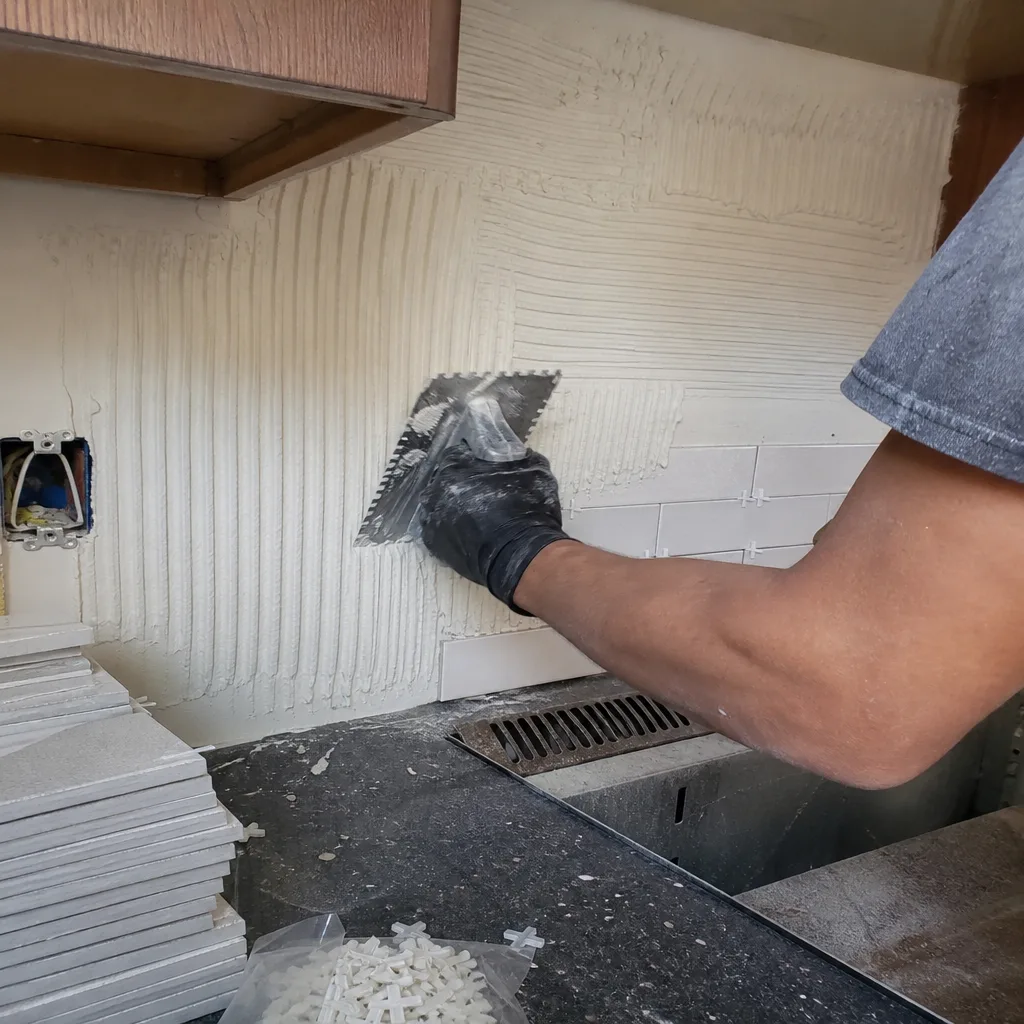
From late May through August, the marine layer pushes inland past the I-5 corridor and often reaches Otay Mesa by mid-morning. Absolute humidity is moderate, but the persistence matters: eight to twelve hours of 75-85 percent relative humidity, day after day, loads moisture into any cavity that is not actively ventilated. Attics without adequate free vent area, crawl spaces with passive vents closed “to keep critters out,” and wall cavities behind south-facing stucco all become moisture traps.
The threshold for action is specific. A hygrometer reading above 70 percent in an attic or crawl space for more than 72 consecutive hours indicates inadequate ventilation. At 80 percent sustained, mold colonization on organic substrates becomes likely within 14 days. We have documented this in Chula Vista homes where the homeowner never entered the crawl space and only discovered the condition when a musty smell reached the living area.
Attic Vent Free Area Calculation
California Building Code requires 1 square foot of net free vent area per 150 square feet of attic floor area, or 1 per 300 if 50 percent is at the ridge and 50 percent at the eave (balanced ventilation). Most Chula Vista homes built before 2015 fall short of this standard. To check your home:
- Measure attic floor area in square feet.
- Count existing vents and estimate net free area per vent (the manufacturer stamps this on the vent frame; do not use gross opening).
- Divide total net free area by attic floor area. If the result is less than 1:300 for a balanced system, add vents or upgrade to continuous ridge vent.
In Chula Vista’s marine layer environment, we prefer balanced systems: soffit intake at the eave and ridge exhaust at the peak. This creates stack effect airflow even on still mornings when the marine layer is thickest. Retrofit of a continuous ridge vent on a typical gable roof runs $1,800-$2,800 in this market, including patching the existing ridge shingles or tiles.
Crawl Space Moisture Protocol
Crawl spaces in Chula Vista range from fully vented to conditioned. For vented crawl spaces:
- Install a vapor barrier of 6-mil polyethylene covering 100 percent of exposed soil, lapped 12 inches at seams, and sealed to foundation walls.
- Keep perimeter vents open year-round; screens with 1/4-inch mesh exclude rodents without blocking airflow.
- Place a hygrometer on a stake 12 inches above the soil surface. Check it weekly during marine layer season.
If readings exceed 70 percent for three consecutive days, add a mechanical exhaust fan rated for crawl space use, ducted to the exterior. A typical installation is $650-$1,100. For homes with repeated moisture problems, we evaluate conversion to a conditioned crawl space; this is a larger scope with pricing discussed only after site inspection and written scope development.
Pre-Rain Roof Inspection Protocol
Chula Vista receives 75 percent of its annual rainfall between January and March, concentrated in atmospheric river events that drop 1-3 inches in 24 hours. A roof that sheds light drizzle all summer can fail catastrophically under that loading if any penetration seal is compromised. The inspection protocol is systematic and can be performed from ground level with binoculars or from a ladder at the eave line. We do not recommend walking tile roofs; the breakage risk exceeds the diagnostic value.
The Six Penetration Types to Check
- Vent pipes (plumbing and mechanical). Look for cracked or missing rain collars, the flexible boot that seals the pipe to the flashing. On asphalt shingle roofs, the collar should lap over the top edge of the base flashing. On tile roofs, the two-piece vent assembly should show no daylight between the upper and lower sections.
- Skylights. Check the weep holes at the sill frame; they must be unobstructed to drain condensation and incidental water. On curb-mounted units, inspect the counter-flashing where it meets the roof membrane. A failing seal shows as lifted edges, crystalline deposits (indicating water migration), or rust streaks on the curb.
- HVAC curbs and platform supports. These are often installed by HVAC contractors with less attention to roofing integration than a roofer would apply. Look for gaps between the curb flashing and the roof surface, and for missing or deteriorated sealant at the curb corners.
- Chimneys. The critical detail is the cricket or saddle on the upslope side, which diverts water around the chimney. Check for debris accumulation, cracked mortar at the cap, and separation between the counter-flashing and the masonry. In Chula Vista, we see accelerated mortar deterioration on chimneys exposed to Santa Ana thermal cycling.
- Valleys. Open valleys (with exposed metal) should show no debris damming. Closed valleys (shingles woven or cut) should have intact shingles with no lifting at the centerline. The valley is the highest water volume path on the roof; a failure here floods the wall below.
- Fascia joints and rake edges. These are not penetrations but are the termination points where roof water leaves the system. Check that gutters are secured to a sound fascia, that end caps are sealed, and that the drip edge extends into the gutter without sagging.
What a Failing Seal Looks Like From Ground Level
From the ground, use binoculars and look for these specific conditions:
- Lifted or curled flashing edges that no longer lie flat against the roof surface.
- Staining or discoloration below penetrations on fascia, soffit, or wall surfaces. This indicates water has already bypassed the seal.
- Granule loss concentrated at penetration bases on shingle roofs, suggesting repeated water turbulence.
- Vegetation growth in gutters or at valley intersections, indicating standing water and inadequate drainage.
Professional roof inspection in Chula Vista, including documentation of all six penetration types with dated photographs, runs $200-$350. Repair of identified issues is quoted separately as a flat written price. For homes with composite or tile roofs approaching 20 years of age, we recommend a full condition assessment; Roofing in Chula Vista covers replacement timing and material options.
Drainage Path Verification After Summer
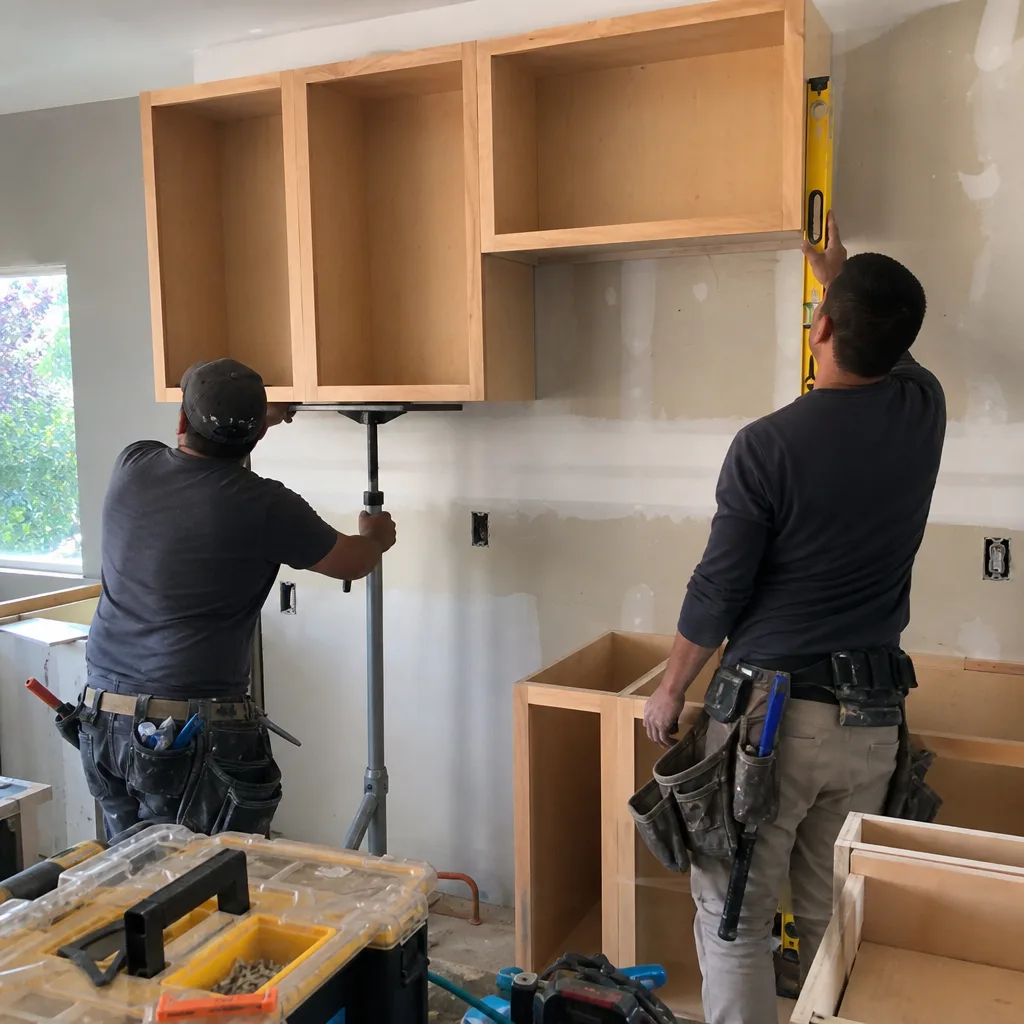
Chula Vista’s dry summer hardens soil, shrinks landscaping mulch, and allows subtle grade changes from settlement or animal activity. When the first winter storm arrives, water follows the path of least resistance. If that path leads toward the foundation rather than away, the result is hydrostatic pressure on basement or slab walls, slab edge dampness, and in severe cases, foundation movement.
The verification test is simple and should be performed in October, before the Santa Ana winds arrive and while soil is still dry and workable.
How to Test Gutters, Downspouts, and Surface Grading
- Gutter flow test. Run a hose at the roof edge for 10 minutes at each downspout location. Water should flow freely to the outlet with no overflow at the gutter rim. If overflow occurs, the gutter is undersized, improperly sloped, or obstructed. Clean first; if overflow persists, the system needs evaluation.
- Downspout termination check. Every downspout must discharge water at least 6 feet from the foundation. Splash blocks are inadequate in Chula Vista’s clay soils; they concentrate water at the surface. We specify rigid non-perforated extensions or underground drainage to daylight or a dry well.
- Surface grading verification. Using a 6-foot level or laser level, check that soil slopes away from the foundation at minimum 5 percent (3 inches drop per 5 feet horizontal). In Chula Vista’s expansive clay soils, we prefer 10 percent where landscaping allows. Settled backfill against new construction is the most common failure point we find in Eastlake and Rolling Hills Ranch.
- Hardscape drainage. Driveways, patios, and walkways should drain away from the structure. Check that expansion joints in concrete are not damming water, and that paver installations (such as Belgard or Techo-Bloc systems we specify) maintain their designed slope without settlement.
For a typical Chula Vista lot of 6,000-8,000 square feet, professional drainage assessment with grading recommendations runs $350-$650. If regrading is needed, the scope includes soil removal or import, compaction in lifts, and verification with a surveyor’s level. We provide a written price for the full scope, not a per-hour estimate that balloons as conditions are “discovered.”
Annual Documentation Habit
The most underutilized tool in homeowner maintenance is a dated photographic record. Insurance adjusters, warranty administrators, and contractors all rely on documentation to establish pre-event condition. A homeowner with a time-stamped photo of a sound roof penetration before a storm has a defensible position if that penetration fails afterward. A homeowner without documentation has only memory, which is not admissible evidence.
We include a documented photo record on every visit as standard, not an upgrade. This is Clause 4 of the Haven Standard. But between professional visits, the homeowner should maintain their own record.
What to Photograph and When
- October: All roof penetrations from ground level or ladder; all exterior wood joints before Santa Ana season; grade lines at foundation; gutter and downspout terminations.
- January: Same roof penetrations after the first significant rain; any interior ceiling stains or wall discoloration; crawl space or attic conditions with hygrometer reading visible in frame.
- May: Exterior wood joints after Santa Ana season; fence and deck conditions; stucco cracks or changes.
- August: Marine layer season moisture indicators; attic and crawl space conditions; any mold or mildew findings.
Store images with date stamps in a cloud folder shared with your household. If you engage a contractor, share the folder. If you file an insurance claim, the adjuster will request this documentation. The 15 minutes per season this takes is the highest-return maintenance task most homeowners never perform.
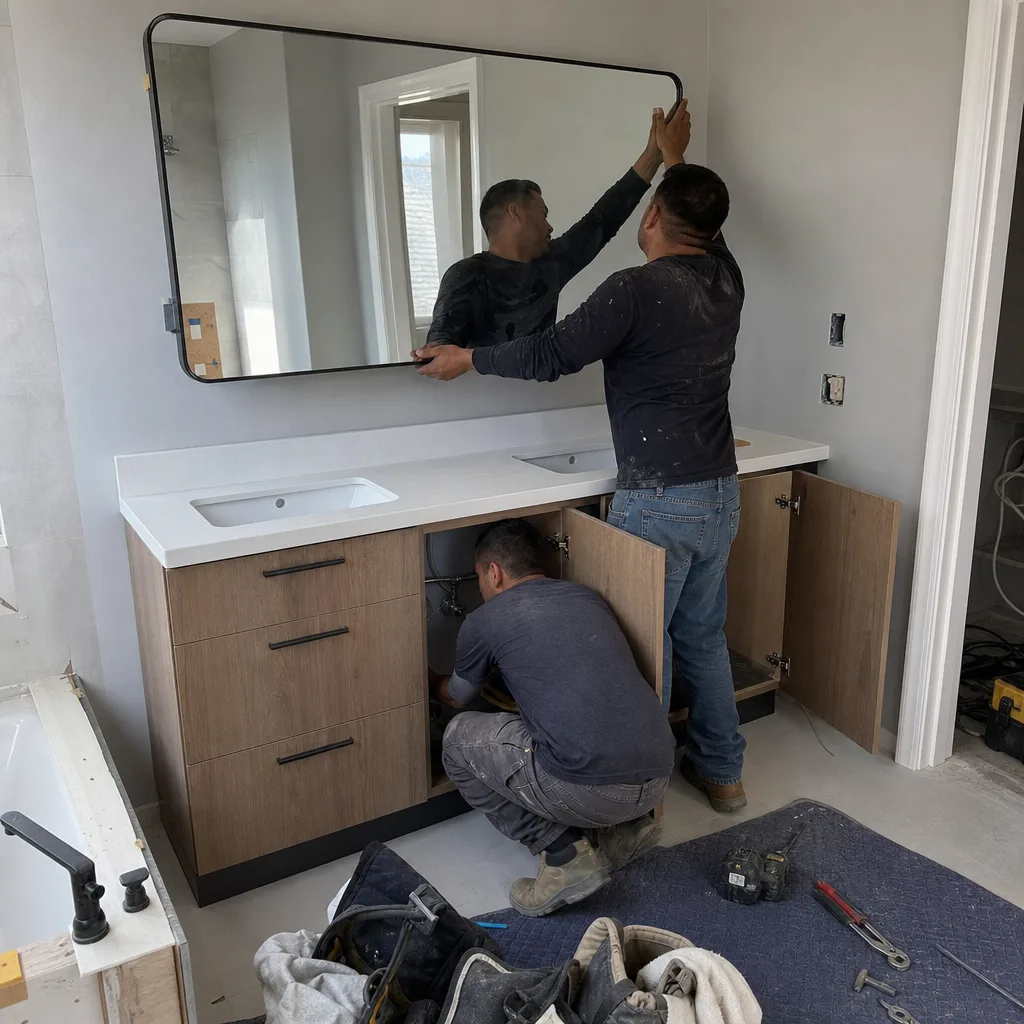
For major projects, Kitchen Remodeling in Chula Vista and Bathroom Remodeling in Chula Vista both include pre-construction documentation of existing conditions as a standard project phase. This protects both parties if concealed conditions emerge during demolition.
What Seasonal Maintenance Costs in Chula Vista
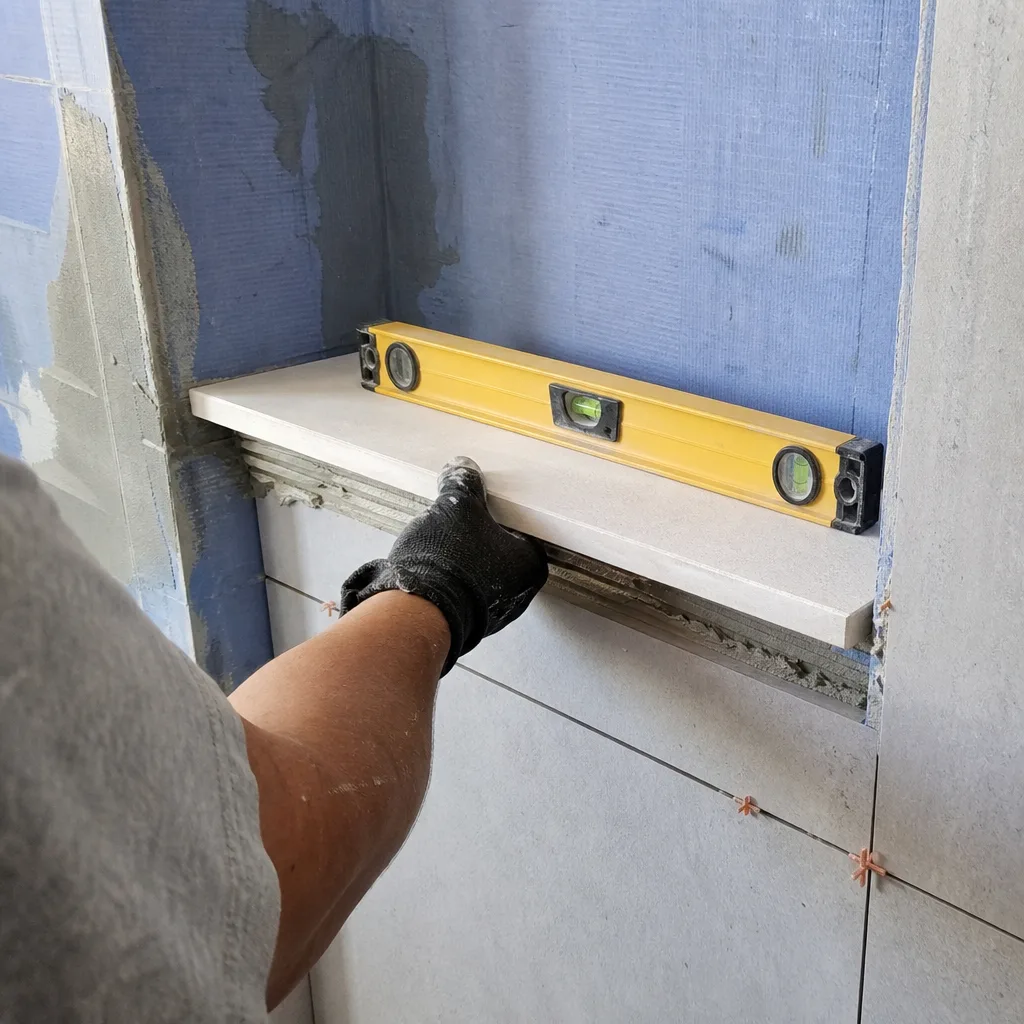
Homeowners in Chula Vista’s 91910, 91913, 91914, and 91915 zip codes should budget for seasonal maintenance as a predictable line item, not an emergency fund drain. The table below reflects our experience pricing these services with flat written quotes across 4,000-plus projects since 2007.
| Service | Typical Range | Scope Included |
|---|---|---|
| Exterior wood joint inspection and re-caulking | $280-$520 | All fascia, window, door, and trim joints; specified sealant; paint-ready finish |
| Attic ventilation assessment and upgrade | $1,800-$2,800 | Continuous ridge vent installation; soffit vent verification; balanced system test |
| Crawl space moisture evaluation | $350-$650 | Hygrometer readings; vapor barrier inspection; ventilation assessment; written report |
| Roof penetration inspection (6-point protocol) | $200-$350 | Ground-level or ladder inspection; dated photo documentation; written condition report |
| Drainage path verification and grading assessment | $350-$650 | Gutter flow test; downspout termination check; surface grade survey; hardscape drainage review |
| Full seasonal maintenance package (all above) | $2,800-$4,200 | Combined inspection; prioritized repair scope; flat written price for all identified work |
These ranges are specific to the Chula Vista market, where labor rates, permit fees, and material availability differ from coastal San Diego or inland Imperial County. We update our pricing quarterly based on supplier costs from our fifty-plus vetted brands. A competitor’s estimate can be reviewed line by line under our Free Second Opinion offer; bring any written quote and we will analyze it against our specification at no charge.
Common Mistakes to Avoid
- Waiting for visible water damage before acting. By the time a ceiling stain appears in a Chula Vista home, the substrate behind has been wet for weeks. Inspect before symptoms, not after.
- Using interior caulk on exterior joints. We have removed failed acrylic latex from exterior trim in Bonita and Telegraph Canyon; it powders within one Santa Ana season and traps water behind the failure.
- Closing crawl space vents “to keep the house warm.” This is counterproductive in every season. Vented crawl spaces require airflow; in Chula Vista’s marine layer climate, closed vents guarantee moisture accumulation.
- Pressure-washing stucco or roof surfaces annually. The high-pressure stream drives water into cracks and behind flashing, and erodes the cementitious finish on stucco. Use low-pressure rinse only, or brush and bucket.
- Ignoring fence maintenance until posts fail. Wood fence posts in Chula Vista rot from the top down when caps lift and water enters the end grain. A $12 post cap replacement prevents a $400 post-and-panel replacement.
- Accepting verbal estimates or “time and materials” pricing for seasonal work. Without a written scope and flat price, scope creep is inevitable. Under Clause 1 of the Haven Standard, no work proceeds without a written price agreed in advance.
- Documenting only after damage occurs. Insurance adjusters and warranty administrators require pre-event condition evidence. Photograph when things are sound, not when they have failed.
When to Call a Professional
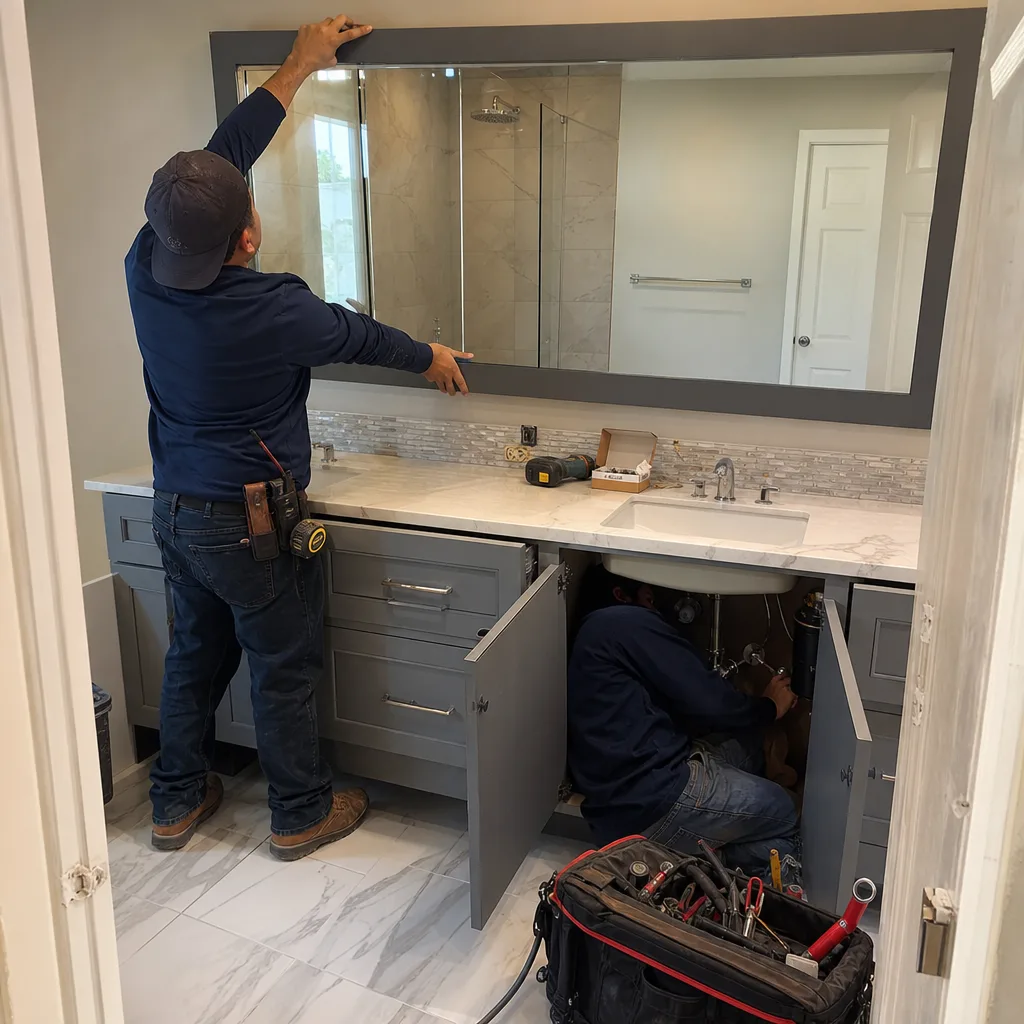
Some conditions exceed homeowner capability or safety limits. Call a licensed contractor when: roof inspection requires walking the surface (tile breakage risk, fall hazard); crawl space moisture exceeds 80 percent sustained and mold is visible; drainage regrading requires soil import or export; or any structural element shows movement, cracking, or deflection. High-tension garage door springs, electrical panel work, and gas line modifications are never DIY tasks; the injury and fire risks are severe and not worth the saved service call.
Rowan Construction Group Chula Vista offers free estimates in Chula Vista for all seasonal maintenance and repair work. A crew member will inspect, document with photographs, and deliver a written flat price before any work is proposed. Call (619) 536-0571 to schedule. The 365-Day Done Right Promise applies to every repair we perform: if it is not done right, we make it right, with the guarantee printed on every page and backed by a terms page, not an asterisk.
Frequently Asked Questions
A comprehensive seasonal maintenance inspection for a typical Chula Vista home runs $2,800-$4,200, covering roof penetrations, exterior wood joints, attic and crawl space ventilation, and drainage verification. Individual services such as roof inspection or drainage assessment range from $200-$650. Call (619) 536-0571 for a free estimate with a written flat price before any work starts.
No. Under Clause 1 of the Haven Standard, the price is written before anyone picks up a tool. If concealed conditions emerge, we document them, write a change order with a new flat price, and no work proceeds until the change order is signed. This discipline has kept our projects within a few percent of the agreed cost across 4,000-plus jobs since 2007.
Permits are required for structural modifications, roof replacement, and electrical or plumbing alterations. For details, see Construction Permits, Codes & Inspections in CA: What You Need to Know. Routine maintenance such as caulking, gutter cleaning, and ventilation assessment typically does not require permits. If permit work is identified during inspection, we pull the permit, schedule inspection, and include those costs in the written quote. The customer receives documentation of permit approval and passed inspection.
A full six-point inspection takes 2.5-4 hours for a typical single-family home in Chula Vista, depending on roof complexity and crawl space accessibility. The customer receives the documented photo record and written condition report within 24 hours. Repair work, if authorized, is scheduled with a separate written quote.
Chula Vista’s inland position creates sharper temperature swings and more pronounced Santa Ana exposure than coastal San Diego. The 91914 and 91915 zip codes in Eastlake see lower marine layer penetration but higher wind exposure. The 91910 and 91913 areas receive more marine layer moisture, stressing ventilation systems. These microclimates require location-specific maintenance timing, not a generic coastal California schedule.
Calculate net free vent area against attic floor area; the ratio should be 1:300 or better for a balanced system. Place a hygrometer in the attic during May-August; sustained readings above 70 percent indicate inadequate airflow. If you are unsure of the calculation or the readings, a professional assessment with written recommendations runs $350-$650. Call (619) 536-0571 to schedule.
The Bottom Line
Chula Vista’s climate is not gentle on buildings; it is predictable, and predictability is an advantage for the prepared homeowner. The Santa Ana winds will open joints. The marine layer will load moisture into unventilated cavities. The winter rains will test every roof penetration. A quarterly inspection schedule, specific material specifications, and a dated photographic record transform these certainties from threats into managed maintenance items. The cost of prevention is always a fraction of the cost of repair, and the documentation you create protects your investment in ways that reactive maintenance never can. For homeowners who prefer professional execution with written prices and guaranteed outcomes, Rowan Construction Group Chula Vista home provides seasonal maintenance, repair, and full remodeling services under the Haven Standard.
Written by Grant Rowan, Owner at Rowan Construction Group Chula Vista, serving Chula Vista since 2007.