
Free written scope consultation - allowances, timeline, and change-order rules on paper before a single trade is scheduled
 Before
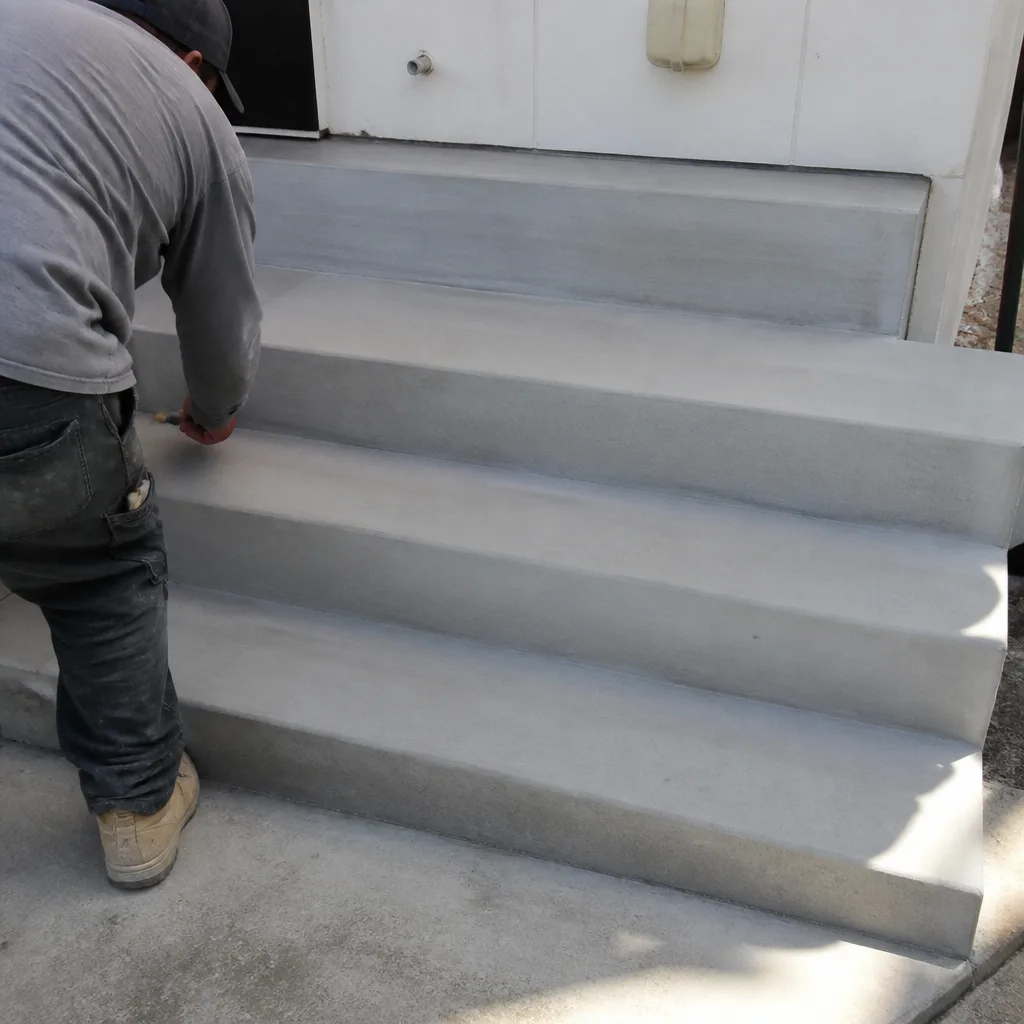 After
After Before
 After
After Before
 After
AfterSakrete Roofing: The Chula Vista Owner’s Guide
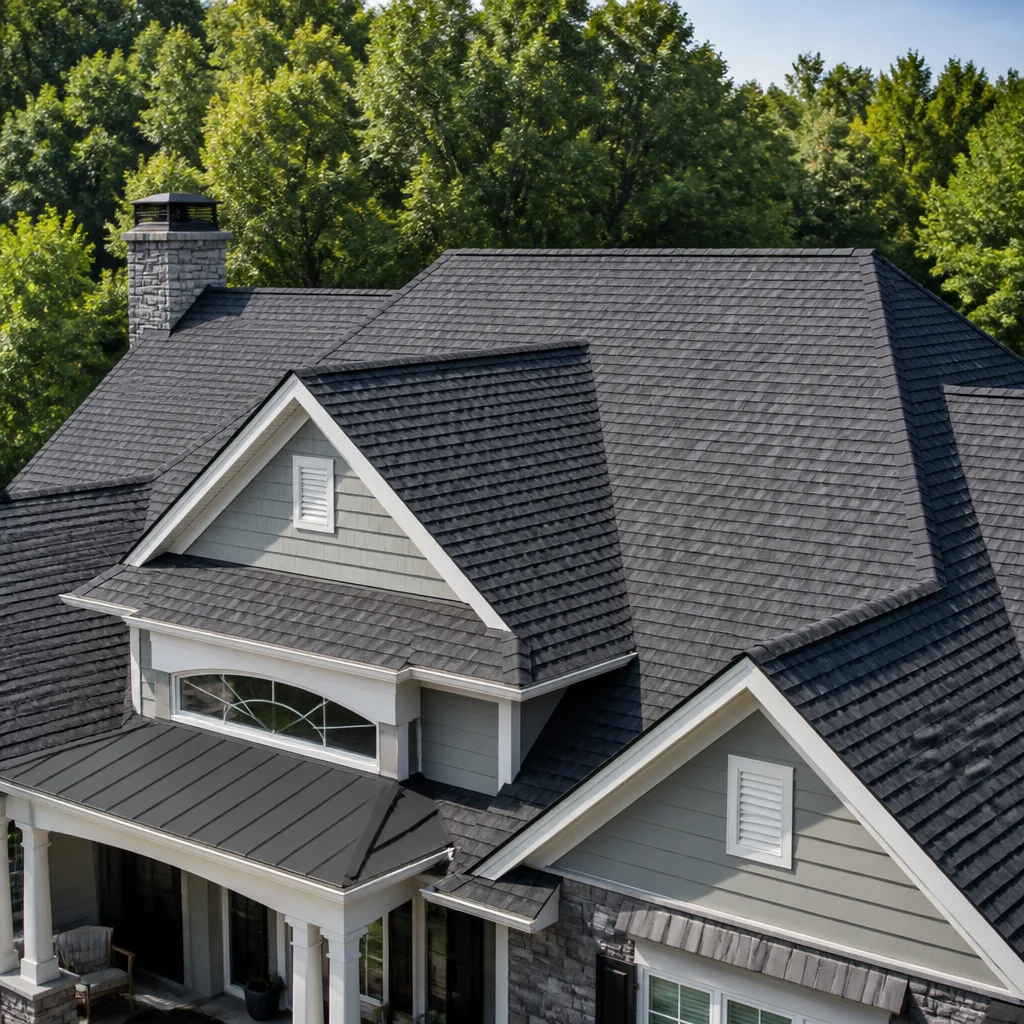
Sakrete-compatible roofing repair in Chula Vista typically runs $400-$1,800 installed, depending on whether we’re replacing a membrane section, resealing a valley, or addressing substrate failure beneath the surface layer. We stock Sakrete-matched underlayment and sealant compounds on our Chula Vista trucks, and most repairs are completed in a single visit. Most owners discover the problem after a Santa Ana wind event or the first heavy fall rain, when a crack that has been widening through summer heat cycles finally lets water past the seal.
Which Sakrete Models This Applies To
Sakrete’s roofing line is narrower than their concrete and mortar catalog, which is where the confusion starts. We field calls from Chula Vista homeowners who have a “Sakrete roof” and need to know whether that means the cementitious coating system, the fiber-reinforced underlayment, or a third-party membrane installed with Sakrete-compatible adhesive. The product label, usually found on a leftover bucket or the original permit paperwork, will read either Sakrete Roof Patch (a cement-based repair compound), Sakrete Flashing Cement (a trowel-grade sealant), or Sakrete Elastomeric Coating (a reflective acrylic system applied over existing substrate).
The critical compatibility gotcha: Sakrete elastomeric coatings are formulated for application over concrete tile or metal roofing, not direct-to-wood. We’ve pulled permits at the Chula Vista Civic Center for jobs where a previous owner applied it over plywood sheathing, and the trapped moisture destroyed the deck within four years. If your roof has any slope below 2:12, the coating system is the wrong product regardless of what the bucket says. For OEM versus aftermarket, we use Mule-Hide or Karnak equivalents when the Sakrete-branded compound is back-ordered, but we document the substitution on the change order and adjust the price accordingly. Under Clause 1 of the Haven Standard, that written price is locked before anyone climbs the ladder.
Signs Your Sakrete Roofing Is Failing
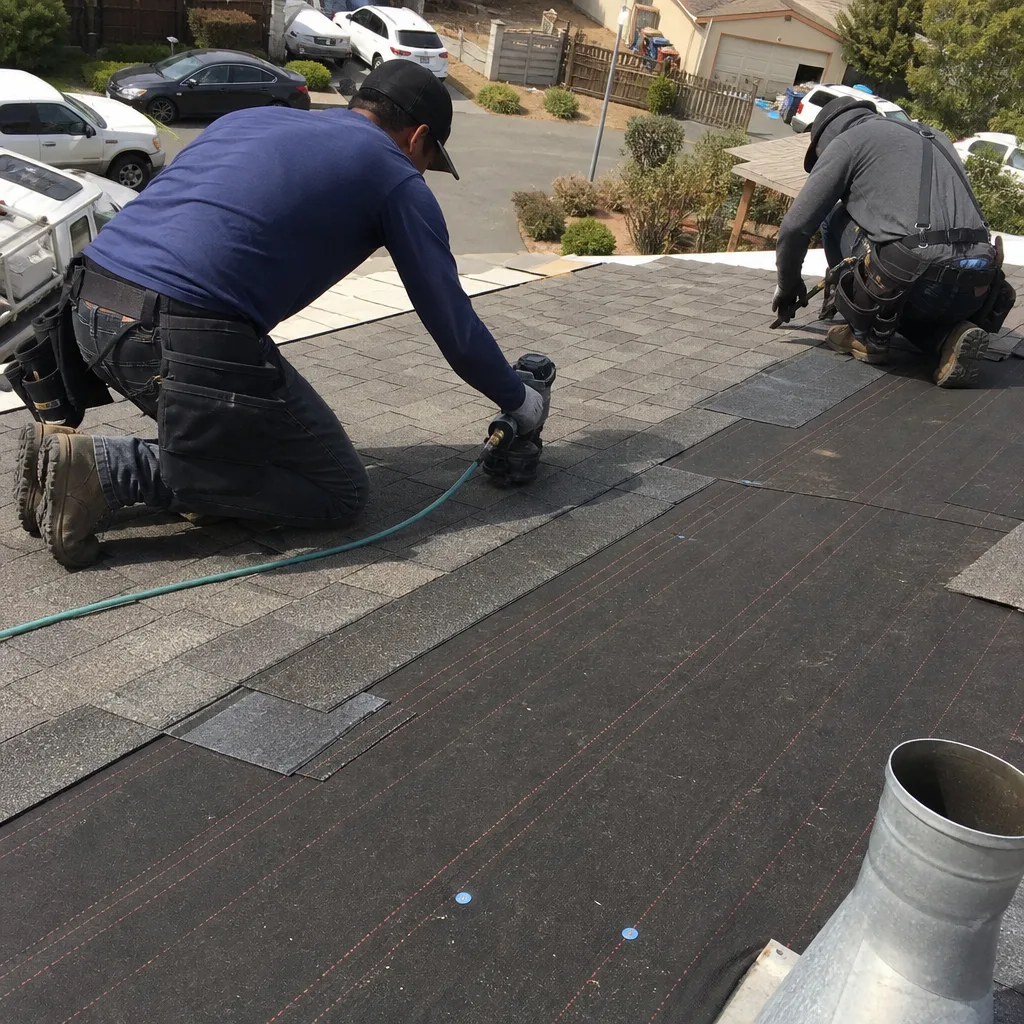
- Alligatoring or surface cracking in the coating. The elastomeric layer has exceeded its thermal cycle limit. In Chula Vista’s inland heat, where roof surface temperatures regularly hit 160°F in August, this typically appears at year 7-9, not the 10-year label claim.
- Water staining on ceiling drywall that aligns with a valley or penetration. The flashing cement has separated from the substrate. We see this most often in Eastlake and Otay Ranch, where the clay-heavy soil causes subtle structural settling that fractures rigid sealant beads.
- Granule loss exposing black membrane beneath. This indicates the acrylic topcoat has eroded, usually from wind-driven sand off the canyons. Once the UV barrier is gone, the underlying asphalt or modified bitumen degrades in months, not years.
- Soft spots when walking the roof. Moisture has saturated the substrate. This is past the point of surface repair; the decking needs exposure, drying, and replacement before any new coating goes down.
- Interior humidity spike with no visible leak. The vapor barrier has failed. In coastal Chula Vista neighborhoods like Rancho del Rey, marine layer moisture migrates through micro-cracks and condenses in the attic space, a problem that shows up on the insulation before it shows on the ceiling.
 Before
 After
AfterReplacement Cost & What’s Included
For Sakrete roofing systems in Chula Vista, repair pricing falls within our standard roof repair range of $400-$1,800. A localized flashing-cement rebuild on a single penetration runs toward the lower end; stripping failed elastomeric coating, replacing saturated sheathing, and re-coating a 400-square-foot section pushes toward the upper end. The driver is access complexity and how much substrate we expose.
Every quote is a flat written price with line-item scope: material (Sakrete-specified or documented equivalent), labor by the square foot, permit if required, and disposal. We pull permits at the Chula Vista Civic Center when the repair exceeds 100 square feet or involves structural decking. The 365-Day Done Right Promise covers workmanship; manufacturer defects are handled through the product warranty, which we register on your behalf. No change order gets signed without your initials, and no invoice exceeds the written price unless you’ve approved the revision in writing. That’s Haven Standard discipline, and it’s why our projects finish within a few percent of the number we quoted.
DIY or Call Us?
There is one thing a Chula Vista homeowner can safely check from the ground: whether the problem is isolated to a visible crack or widespread across the field. Binoculars and a camera with zoom will tell you that much. Everything else belongs on a ladder, and ladder work on a pitched roof is where the emergency room visits start.
Sakrete’s cementitious products are heavy; a five-gallon bucket of roof patch weighs 70 pounds, and spreading it on a slope while holding a trowel and a margin of balance is not a first-timer’s job. The elastomeric coating requires a clean, dry surface and consistent mill thickness, or it fails at the edges within two seasons. We’ve been called to fix DIY jobs in Terra Nova and Rolling Hills Ranch where the owner saved $300 on labor and spent $2,400 correcting the uneven application. If you want to know exactly what you’re dealing with, call (619) 536-0571. We’ll photograph the condition, write the scope, and give you a price you can screenshot and compare. Estimates are free, and we deliver them before anyone picks up a tool.
FAQs
Seven to ten years for elastomeric coatings in inland Chula Vista heat, five to seven if the roof faces southwest with no tree cover. Flashing cement in protected valleys can last twelve years, but we inspect at year eight. Call (619) 536-0571 and we’ll check what you’ve got and tell you how much life remains - estimates are free.
Localized alligatoring can be cut out, primed, and patched if the substrate beneath is sound. Once cracking covers more than 30% of the field or soft spots appear, stripping and re-coating is the only repair that lasts. We document the coverage percentage in our photo record so you can see the math yourself. Call (619) 536-0571 for a written assessment.
Most single-penetration flashing repairs are done in three to four hours. A full elastomeric strip-and-recoat on a typical Chula Vista ranch runs two days: one for exposure and drying, one for primer and two finish coats. We schedule around weather, because applying coating with dew on the deck or rain in the forecast voids the manufacturer warranty. Call (619) 536-0571 to book a date that works.
We carry Sakrete-compatible flashing cement, elastomeric primer, and acrylic topcoat in standard white and tan. Custom colors or large-volume jobs are ordered from the San Diego distributor with a two-day lead time. We don’t guess at color matching; we bring samples to the site and photograph the selection against your existing roof for the project record. Call (619) 536-0571 to confirm availability for your specific repair.
Rowan Construction Group Chula Vista is an independent service provider and is not affiliated with Sakrete. We source from fifty-plus vetted brands including KraftMaid, Cambria, and Silestone, and we document every material selection in your project file.
Grant Rowan still shows up in boots on the first day of every roofing project in Chula Vista, from Rancho del Rey to the avenues near downtown, because he has yet to find a better way to take a roof measurement than standing on it himself. Measure twice, document once, build it so you never have to come back.
Written by Grant Rowan, Owner, Rowan Construction Group Chula Vista at Rowan Construction Group Chula Vista, serving Chula Vista and nearby areas.