
Free written scope consultation - allowances, timeline, and change-order rules on paper before a single trade is scheduled
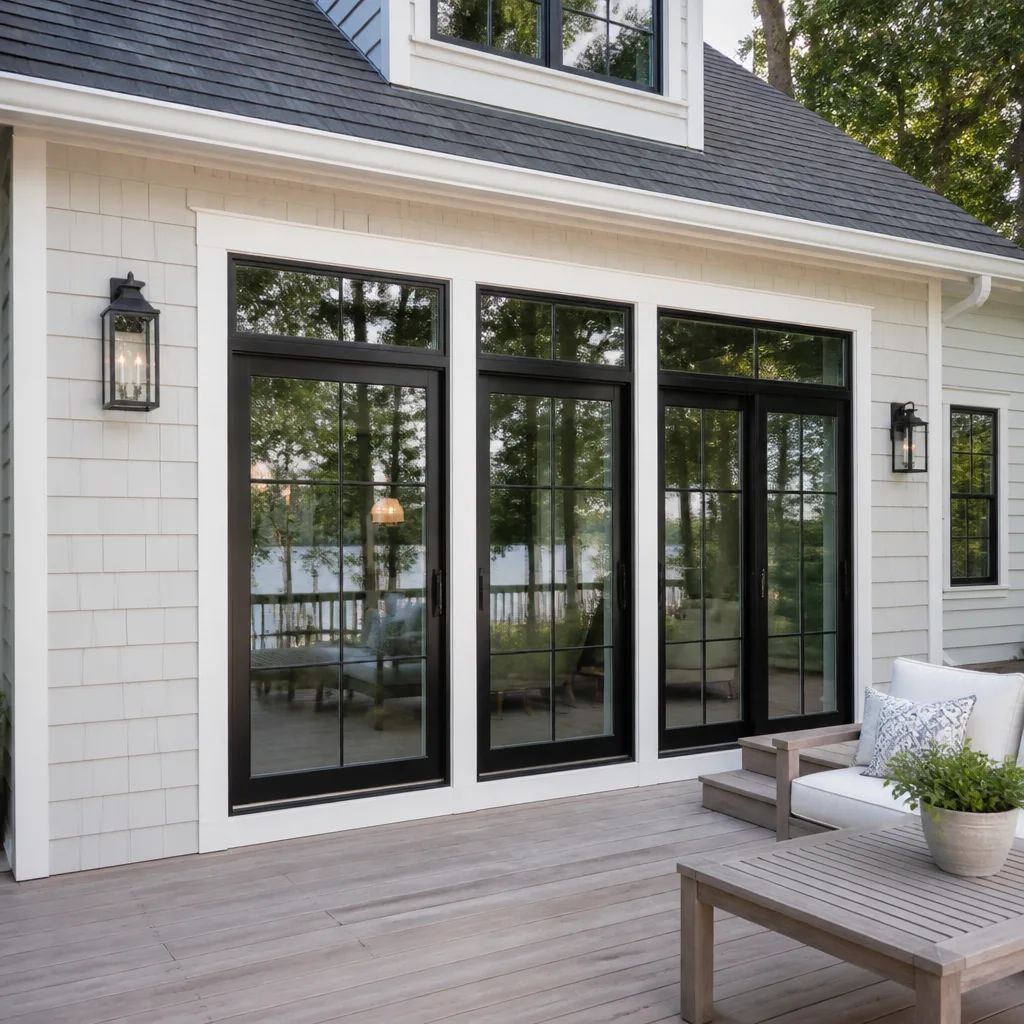
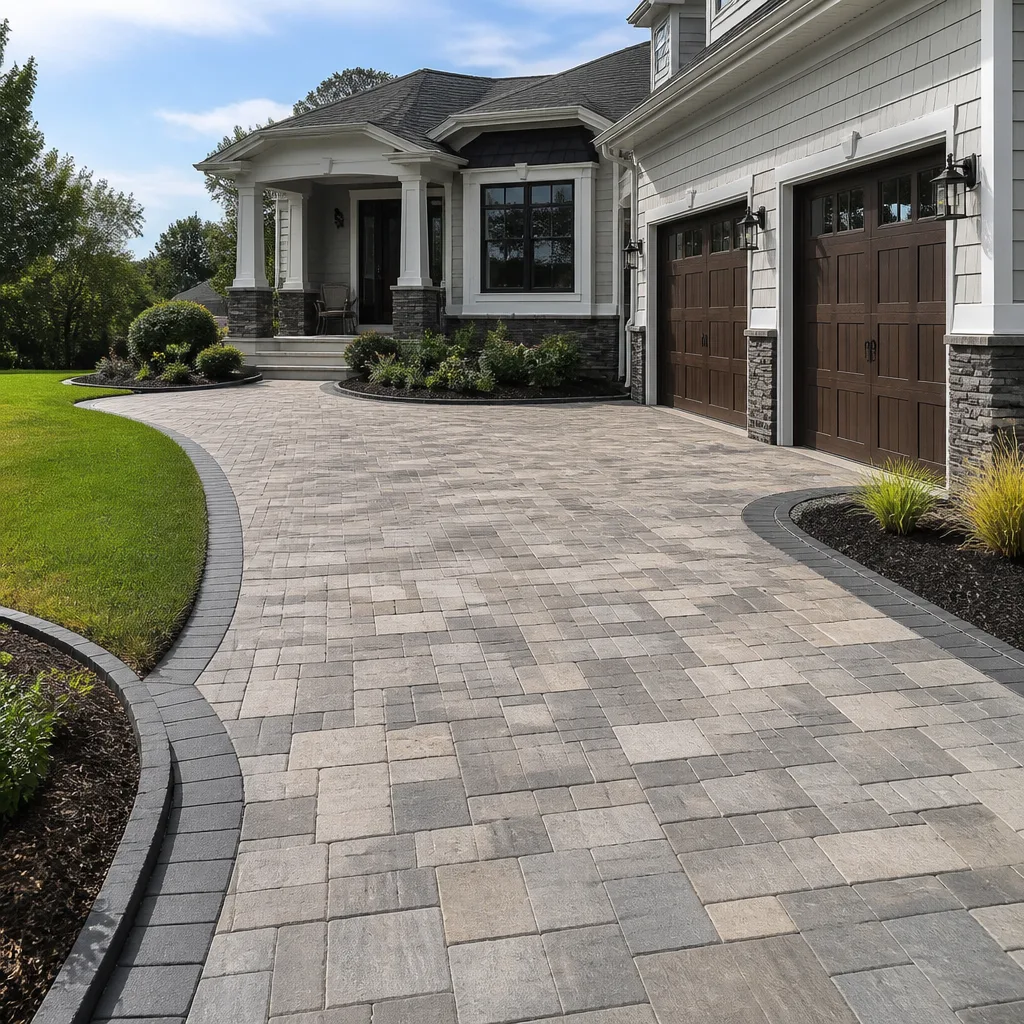
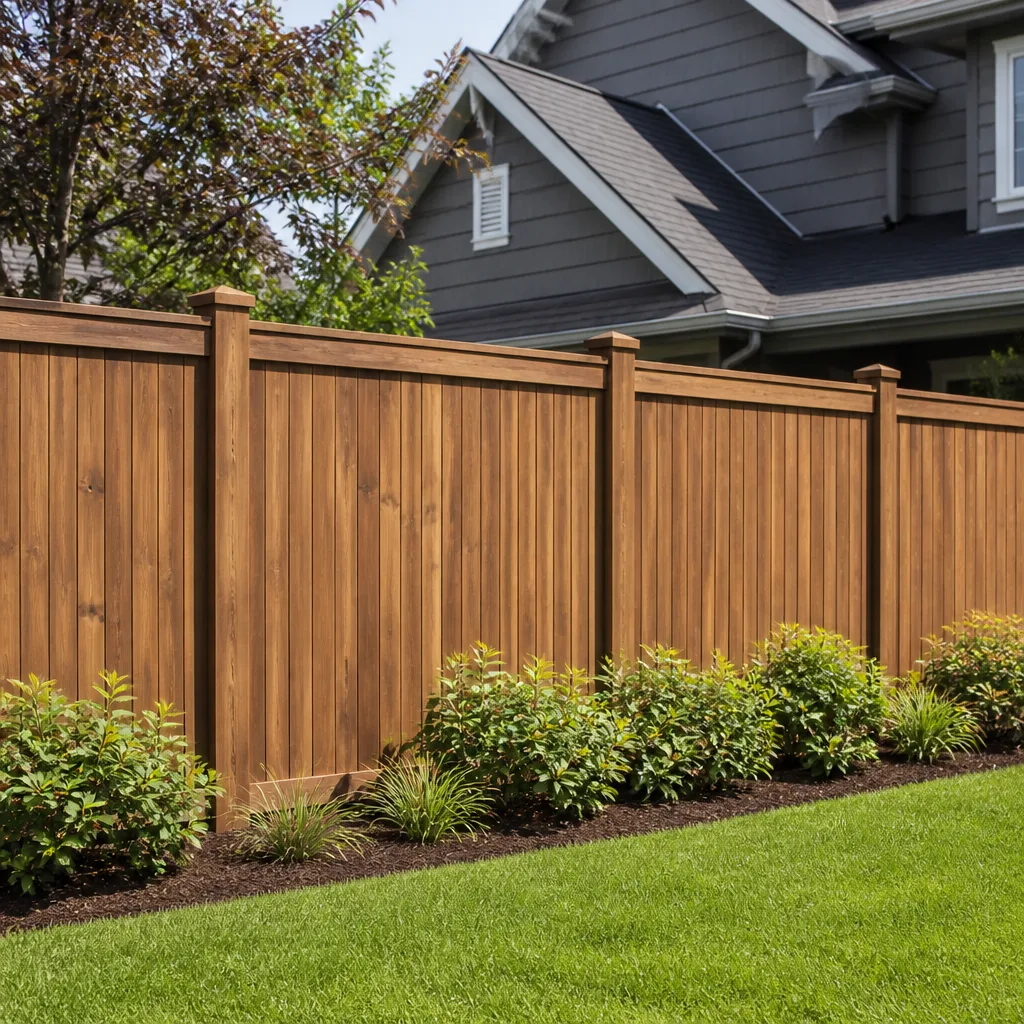
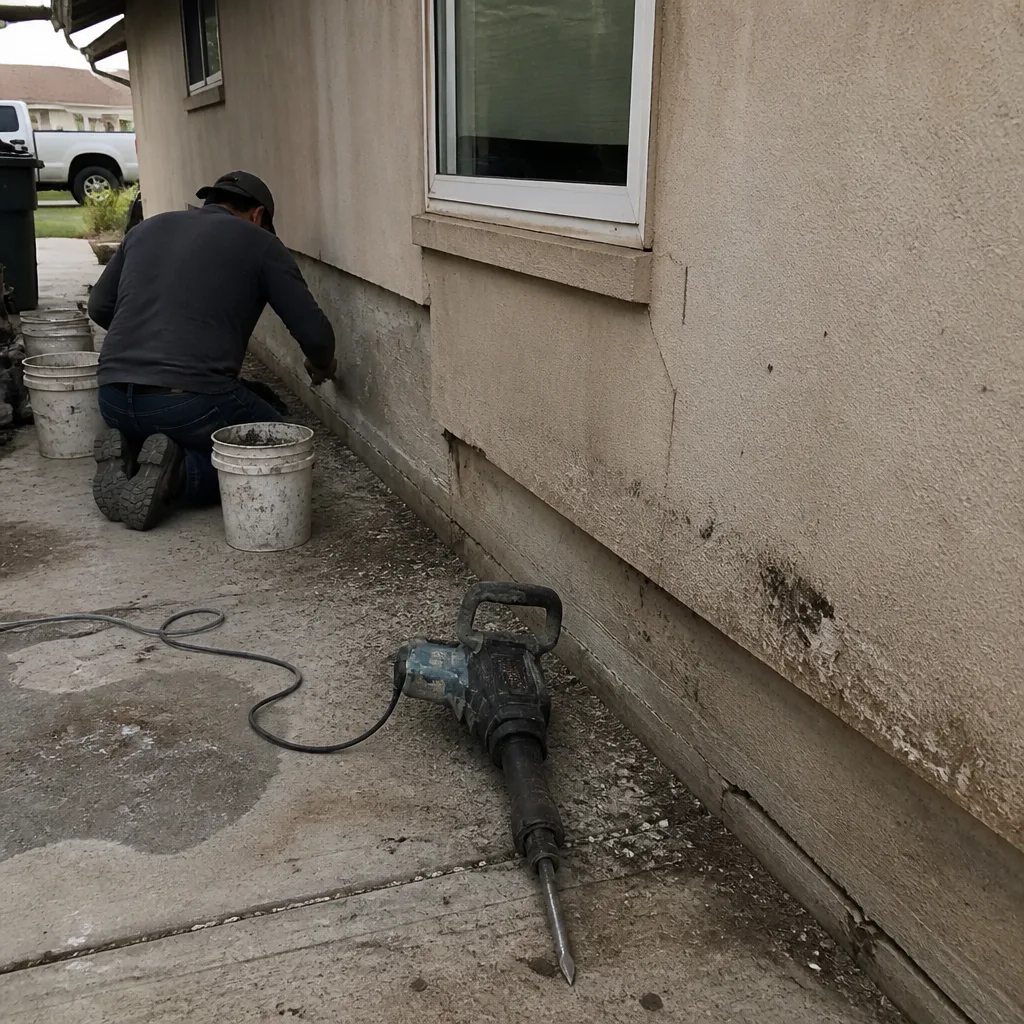 Before
 After
After Before
 After
After Before
 After
AfterCGI Roofing: The Chula Vista Owner’s Guide
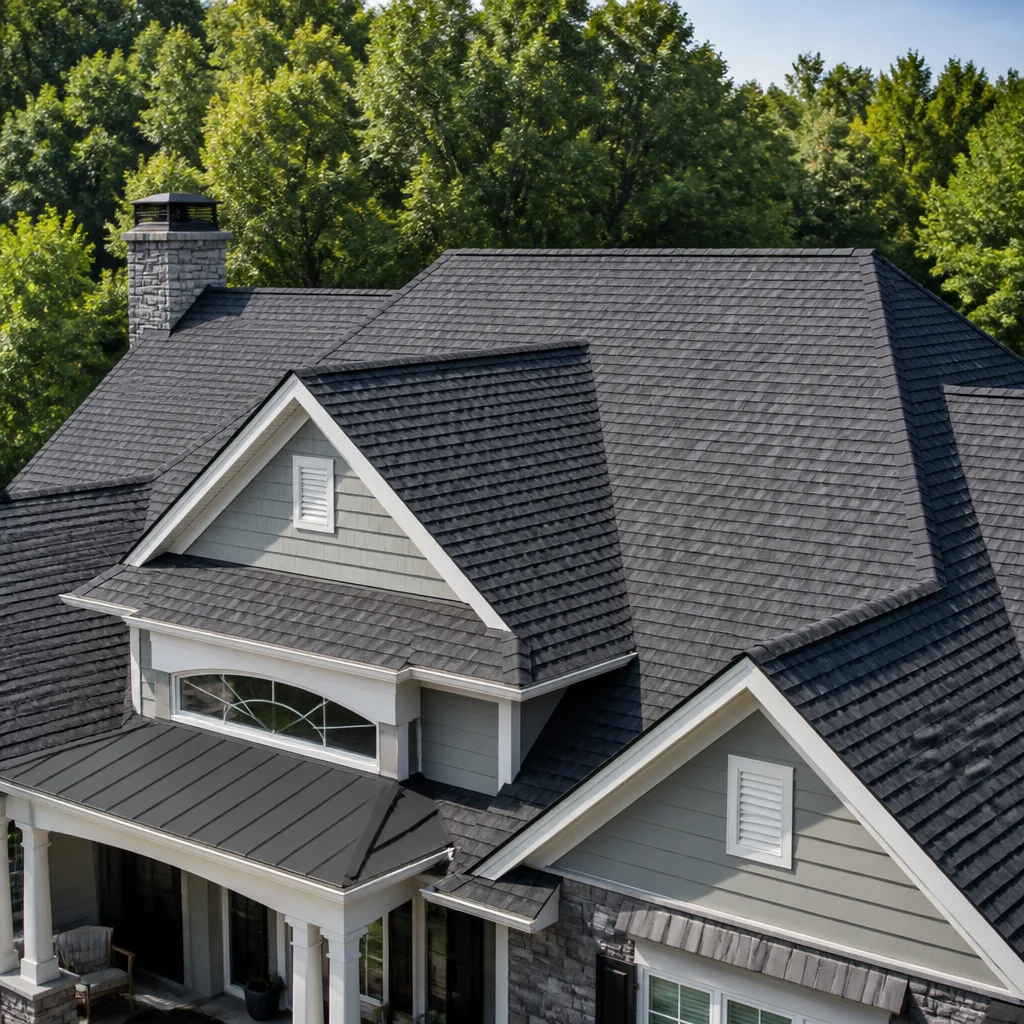
CGI metal roofing panel replacement in Chula Vista typically runs $400-$1,800 for repairs and $8,000-$20,000 for full roof replacement, with most common CGI part failures addressed same-day once we verify your panel profile and gauge. We stock the three most common CGI standing seam profiles used in San Diego County builds from 1995 onward, and we carry matching color samples from the Classic, Premium, and Architectural series for on-site verification. Most Chula Vista homeowners discover a CGI panel issue after a Santa Ana wind event, when they spot a lifted seam in Rancho del Rey or notice rust bleed at the fastener line on an Otay Ranch install that was done during the 2004-2008 building surge.
Which CGI Models This Applies To
CGI, or Consolidated Gypsum International, produced metal roofing panels in three distinct product eras, and the part you need depends on which era your roof came from. Pre-2005 CGI panels were 26-gauge galvanized steel with a snap-lock seam profile; 2005-2015 shifted to 24-gauge Galvalume with a mechanically seamed rib; post-2015 production uses a concealed fastener clip system with a Kynar 500 finish. The label is usually stamped on the underside of the panel rib, visible from inside the attic if you know where to look. We also check the panel width, measured seam-to-seam: 12-inch, 16-inch, or the less common 21-inch commercial width.
OEM CGI panels are no longer manufactured under that brand name after the 2019 corporate restructuring, so “genuine CGI” is effectively NOS, or new old stock, with limited color availability. We source equivalent-grade panels from McElroy Metal and ATAS International that match the gauge, profile, and Galvalume substrate spec exactly. The aftermarket decision comes down to this: if your roof is under 15 years old and the failure is isolated, a matched aftermarket panel blends cleanly; if you’re past 20 years in Chula Vista’s salt-air climate, the better value is usually replacing the affected slope to avoid a patchwork fade mismatch. We’ve documented this exact call on a 2007 install in Eastlake where three panels failed at the seam, and the owner chose slope replacement after we showed him the color drift between original and available stock.
Signs Your CGI Roofing Is Failing
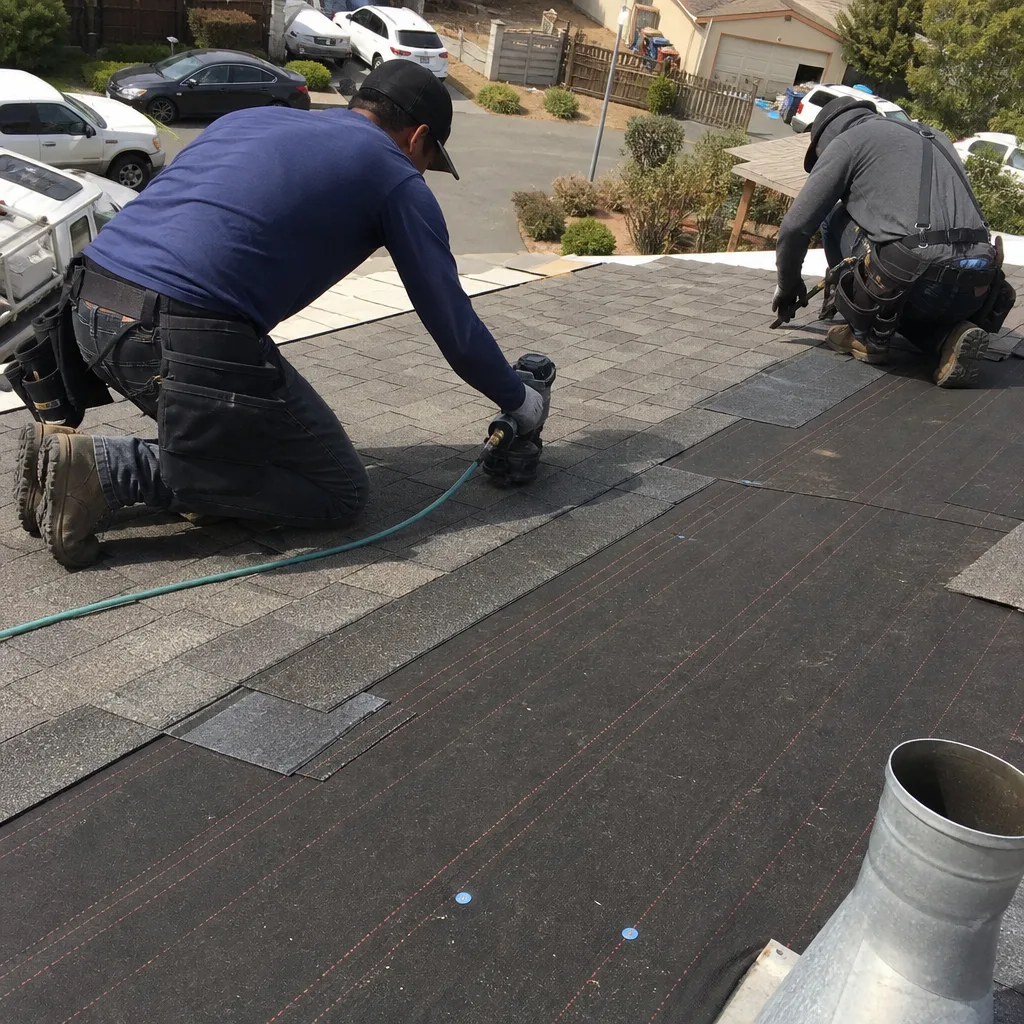
- Lifted or separated seams at the rib line. This is the most common CGI failure in Chula Vista, caused by thermal cycling stress on the snap-lock profile combined with Santa Ana wind uplift. The metal expands and contracts daily; after 15-20 years in our inland coastal climate, the lock fatigue cracks and the seam opens to wind-driven rain.
- Rust streaks bleeding from fastener heads or panel laps. CGI’s pre-2010 galvanized coating is vulnerable once the factory finish chalks off, which happens faster within two miles of the bay. The rust is cosmetic at first, then structural when it reaches the substrate.
- Panel oil-canning, or visible waviness between seams. This indicates the panel has partially detached from its clip or the substrate has shifted. In Chula Vista’s clay-heavy soils, especially in Terra Nova and Rolling Hills Ranch, foundation movement transfers stress to the roof deck and the CGI panel follows.
- Interior water stains that track to a seam, not a penetration. Unlike shingle roofs where leaks usually start at a vent or valley, CGI failures often run the seam length itself. The water enters at a lifted section and travels the channel downhill.
- Fastener back-out or missing clips at the eave or ridge. CGI’s concealed clip system relies on stainless steel fasteners into solid wood; if the deck was green lumber or OSB during original install, the fastener loses purchase and the clip rotates.
 Before
 After
AfterReplacement Cost & What’s Included
CGI panel repair in Chula Vista falls within our standard roof repair range of $400-$1,800, with most single-panel or partial-slope replacements landing between $800 and $1,400. Full CGI roof replacement runs $8,000-$20,000 depending on square footage, pitch, and whether we need to redeck. Here’s what drives the number:
| Scope | Price Range | What’s Included |
|---|---|---|
| Single panel replacement, matched aftermarket | $400-$800 | Panel, underlayment patch, fasteners, color-matching attempt, 1-year workmanship |
| Partial slope (3-8 panels), same profile | $800-$1,800 | Panels, ice/water shield at seams, full fastener replacement, 2-year workmanship |
| Full CGI roof replacement, residential | $8,000-$20,000 | Complete tear-off, deck inspection, new underlayment, panels, trim, permits, 365-Day Done Right Promise |
We deliver a written price before any work starts, every time. Under Clause 1 of the Haven Standard, that price includes all parts, labor, disposal, and permit fees; no change proceeds without a signed change order. Our CGI panel work carries the 365-Day Done Right Promise: if the seam lifts or the match fails, we make it right. You’ll also receive a documented photo record of the deck condition, the panel installation, and the finished slope, included as standard.
DIY or Call Us?
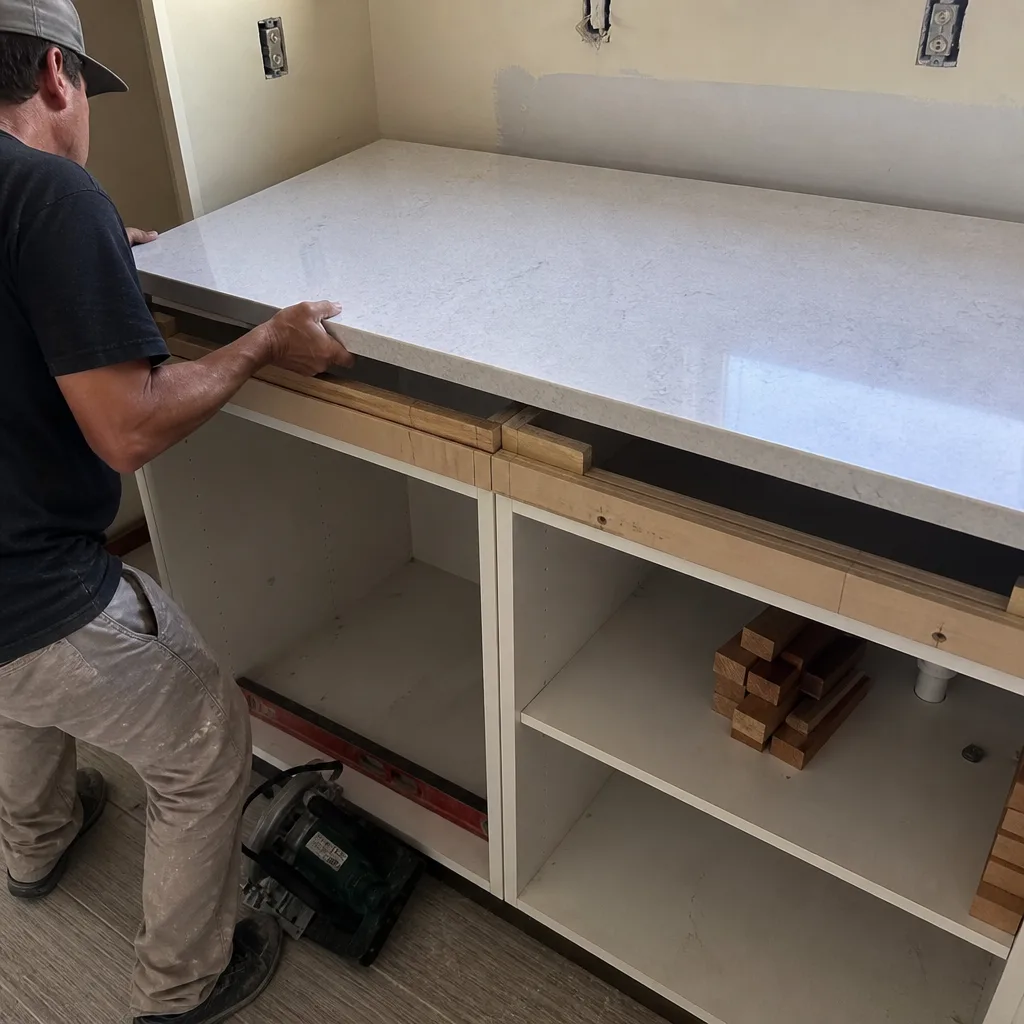
There’s a safe middle ground here, and then there’s where DIY stops. You can safely walk the roof with binoculars from a ladder to spot lifted seams, check the attic for rust bleed at fastener points, and photograph the panel underside label for us to identify. What you should not do is attempt panel removal or seam re-crimping yourself. CGI standing seam panels are under tension at the clip; releasing one panel without supporting the adjacent field can unzip a whole slope. The metal edges are sharp enough to require cut-resistant gloves, and working at roof pitch on Galvalume is slicker than it looks.
We’ve been called to Chula Vista homes where a homeowner’s temporary tarp patch became a full slope replacement because wind got under the loose panel and twisted the field. If you’ve found the failure, the efficient next step is a documented inspection. Call (619) 536-0571 and we’ll schedule a free estimate with a written price before any work starts.
FAQs
In Chula Vista’s climate, well-installed CGI Galvalume panels typically last 30-40 years, but the Kynar finish starts chalking at 15-20 years and the salt-air corridor within two miles of the bay accelerates fastener corrosion. Call (619) 536-0571 for an exact condition assessment - estimates are free.
Small punctures or isolated rust spots can sometimes be patched with matching color-matched sealant and a compatible metal patch, but seam failures and oil-canning require panel replacement because the structural integrity of the clip system is compromised. We document both options with photos and a written price for each. Call (619) 536-0571 to schedule your free estimate.
A single-panel replacement is usually completed in two to four hours once we have the matched panel in hand; partial slope work takes one day. We stock the three most common CGI-compatible profiles, so most Chula Vista jobs are scheduled within a week of estimate approval. Call (619) 536-0571 to check current availability.
We stock 24-gauge and 26-gauge standing seam panels in the Classic and Premium profiles, plus stainless steel clips and matching trim coil, on every roofing truck. Less common 21-inch commercial-width panels and post-2015 clip systems are sourced within 48 hours. Call (619) 536-0571 to confirm compatibility with your specific CGI install.
Rowan Construction Group Chula Vista is an independent service provider and is not affiliated with CGI. We also stock parts for and install products from KraftMaid, Cambria, and Silestone across our seven trades.
Grant Rowan still shows up in boots on the first day of every roofing project in Chula Vista, from Rancho del Rey to Terra Nova, because he has yet to find a better way to take a site measurement than standing on it himself. Measure twice, document once, build it so you never have to come back.
Written by Grant Rowan, Owner, Rowan Construction Group Chula Vista at Rowan Construction Group Chula Vista, serving Chula Vista and nearby areas.